



Carved Wooden Wall Art
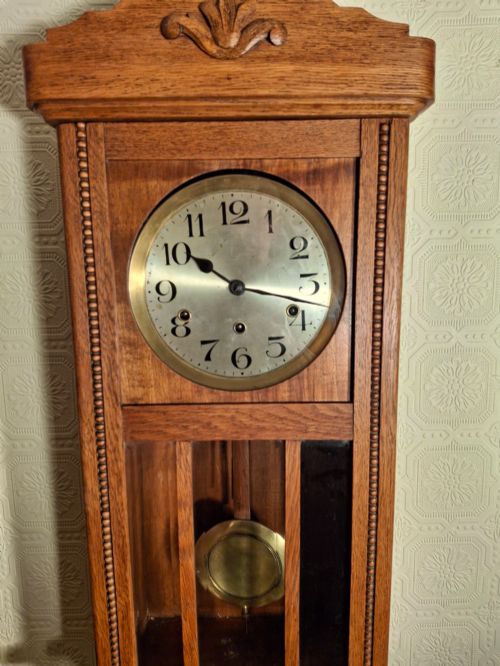
Carved wooden wall art spans centuries of domestic and religious ornamentation, offering tactile depth through panels, plaques, mirrors and frames.
Carved Wooden Wall Art
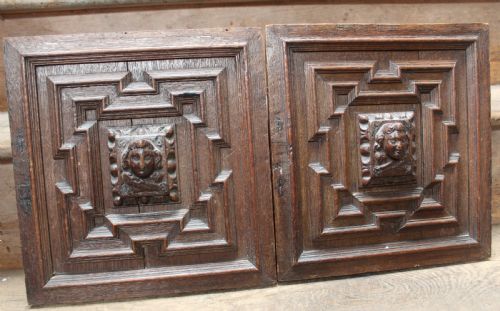
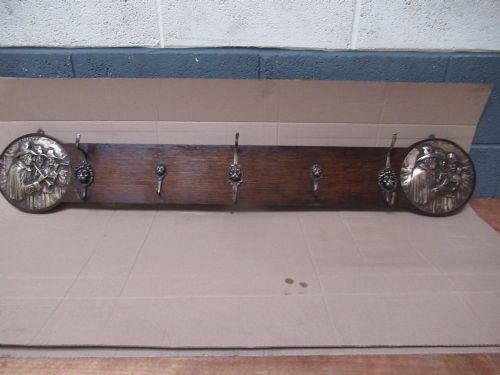
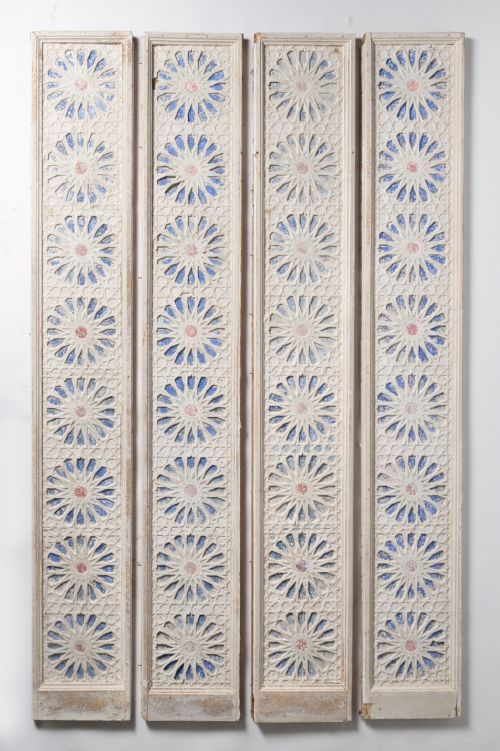
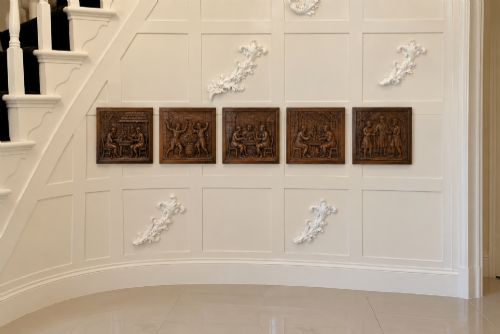
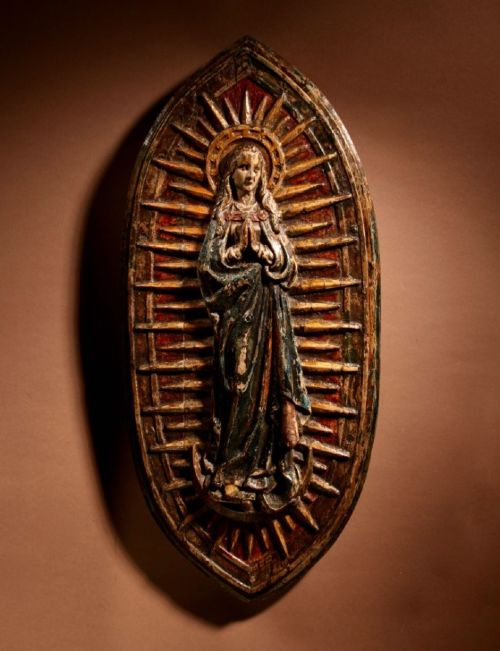
Carved wooden wall art encompasses everything from architectural fragments and religious panels to decorative mirrors and folk art plaques. These pieces bring sculptural presence to vertical spaces through skilled hand-working of timber.
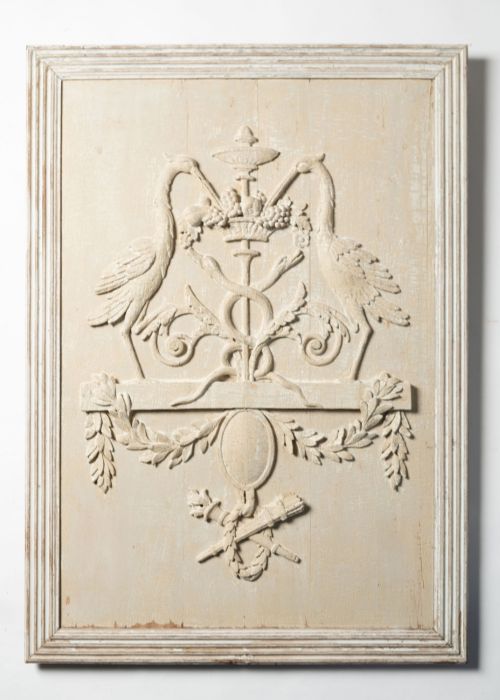
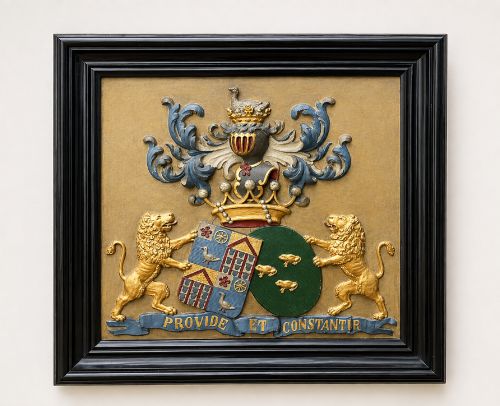
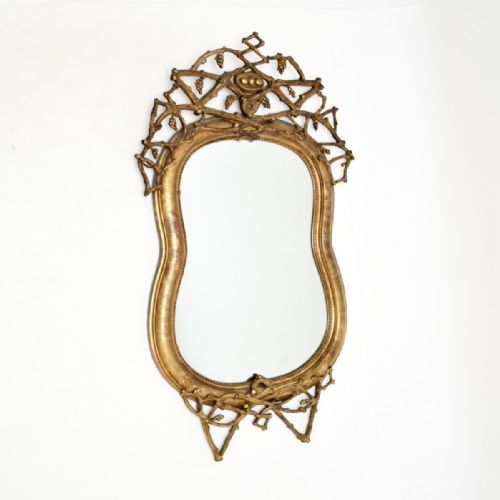
The selection here draws heavily on nineteenth-century craftsmanship alongside earlier seventeenth and eighteenth-century survivals. Common forms include oak cupboards, heraldic plaques, overdoor panels and framed mirrors.
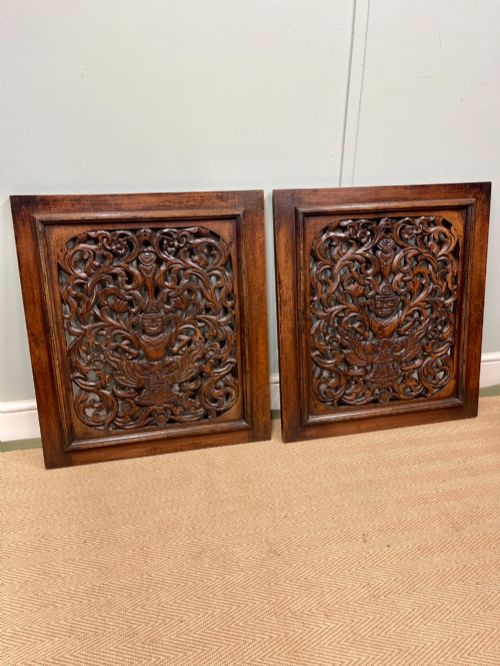
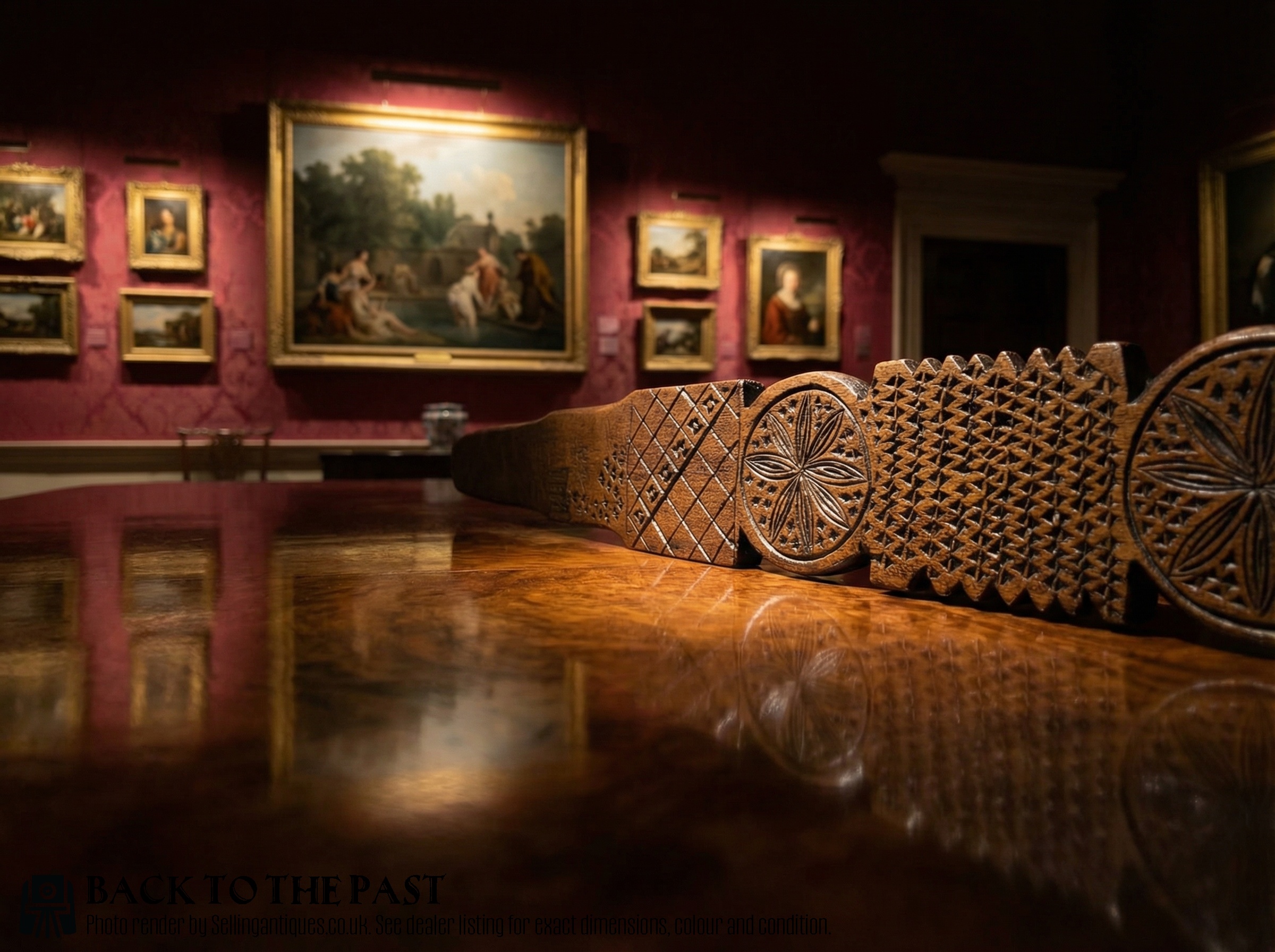
Buyers encounter diverse regional expressions, including English chip carving, Dutch mangle boards, Italian architectural elements and Asian temple panels. Each object reflects the utilitarian or devotional purpose of its original context.
Materials and construction
Oak, chestnut and walnut provide the primary timber foundations for these pieces, chosen for their grain and stability. Artisans utilised hand chisels and gouges to build up relief work directly from the solid mass.
Surface treatments frequently involve gesso, oil paint or gilding applied over the carved wood base. Metal elements such as brass hinges or glass mirror plates integrate with the timber structures.
Carved Wooden Wall Art Retail Price Guide 2026
Typical asking prices for carved wooden wall art among the pieces listed under this phrase on Sellingantiques today, from the lower quarter to the upper quarter. They describe what is for sale here now, not the wider market.
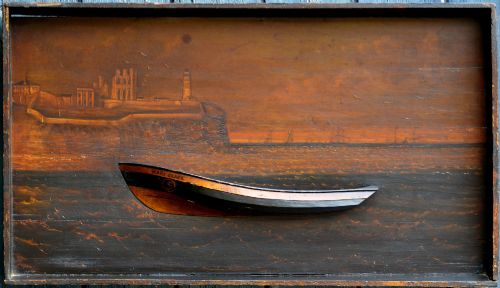
A tennis racquet club barometer keeps watch alongside medieval altarpiece fragments and sailing ship dioramas.
Judging the work
Quality rests in the confidence and depth of the chisel work rather than surface neatness. Crisp undercut details separate accomplished carving from simpler, mechanised or later re-worked decoration.
The integrity of the timber ground dictates the long-term character of the piece. Well-seasoned wood that retains its original surface patination without excessive later intervention commands attention.
Liberty & Co·Van Rijckevorsel & Verheijen
The Carved Wooden Wall Art Glossary
- Chip carving
- A method of removing small triangles of wood from a flat surface to create geometric patterns. This technique appears frequently on nineteenth-century utilitarian boxes and boards.
- Gesso
- A plaster mixture applied to wood surfaces to prepare them for gilding or painting. It provides a smooth ground for intricate decorative relief.
- Mangle board
- A domestic laundry tool featuring a flat carved panel and a handle, often richly decorated with dates and initials. These functional items now serve as wall displays.
- Overdoor
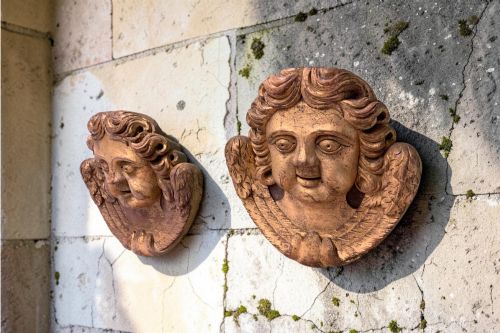
- An architectural panel designed to fit directly above a doorway. These pieces often feature figurative carvings, cherubs or heraldic motifs.
- Panel
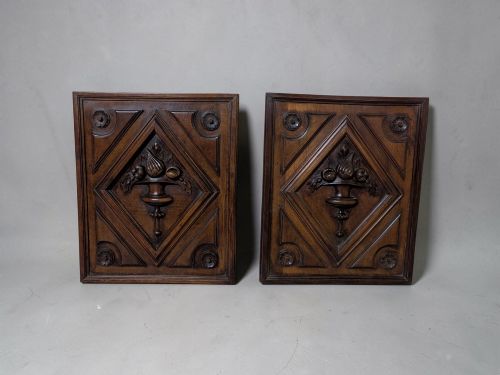
- A flat section of wood, often rectangular, carved in relief with figures, foliage or scenes. Panels frequently originated as parts of altarpieces, furniture or wall panelling.
Carved Wooden Wall Art: Frequently Asked Questions
What is carved wooden wall art?
Carved wooden wall art covers decorative and architectural wooden objects intended for vertical display. This category includes panels, plaques, mirrors and architectural fragments made across various centuries.
These items range from devotional sculptures and heraldic plaques to folk art carvings and domestic mirrors. Each piece relies on hand-worked timber to introduce texture and historical narrative to interior spaces.
How do I hang heavy wooden wall art?
Heavy wooden wall art requires secure fixings anchored directly into wall studs or masonry rather than plasterboard alone. Many pieces retain original brackets or iron fixings that indicate their intended weight distribution.
Assessing the back of the panel reveals whether it needs a batten system or heavy-duty D-rings. Professional framing support ensures the historic timber remains uncompromised.
How can I tell the age of carved wood?
Dating carved wood involves examining tool marks, timber shrinkage and surface patination. Hand-cut chisel marks differ visibly from machine routing, while natural oxidation darkens exposed grain over centuries.
Construction methods, such as pegged joints or hand-wrought nails, provide further clues to period origins. Comparing stylistic motifs like Gothic revival or Art Nouveau details helps narrow the date range.
How do I care for antique wooden panels?
Antique wooden panels require stable indoor environments away from direct sunlight and dramatic temperature swings. Excessive heat causes timber to dry out and split along the grain.
Dusting with a dry, soft cloth preserves the surface finish without introducing moisture. Wax polishes should be used sparingly and only on unpainted, waxed wooden surfaces.