
Nineteenth Century Oak Carving
Nineteenth century oak carving brings solid timber and robust grain together, offering tactile depth and lasting utility for traditional interiors.
Nineteenth Century Oak Carving
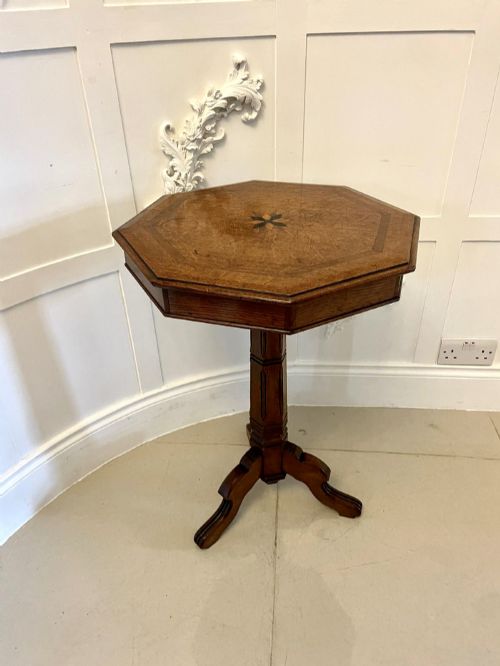
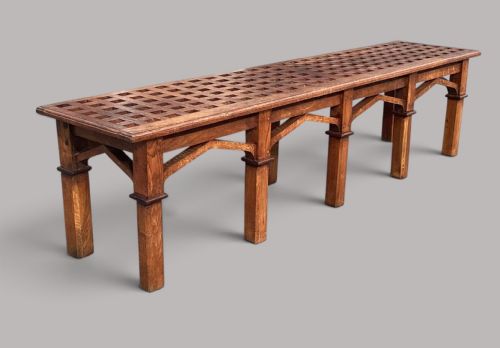
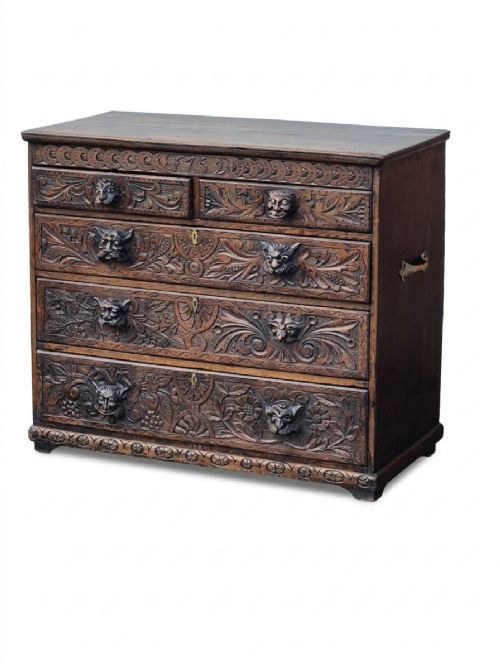
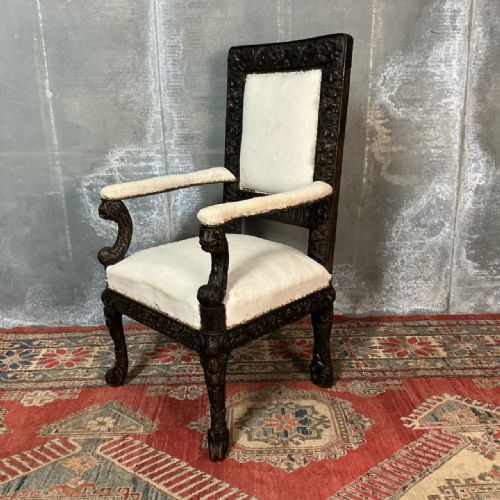
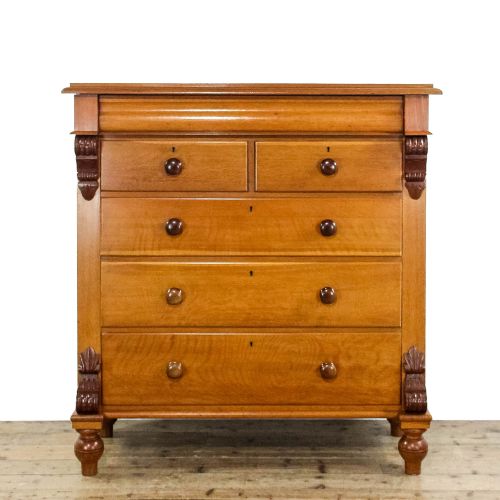
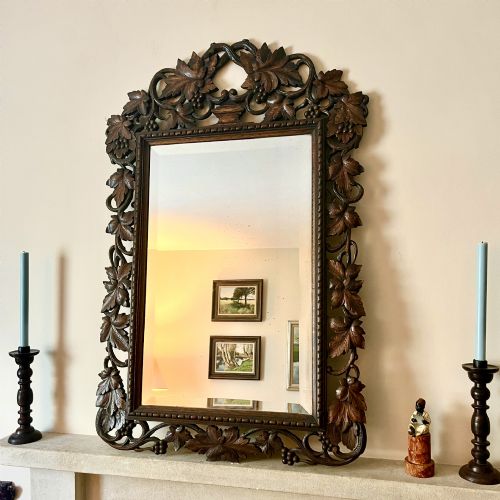
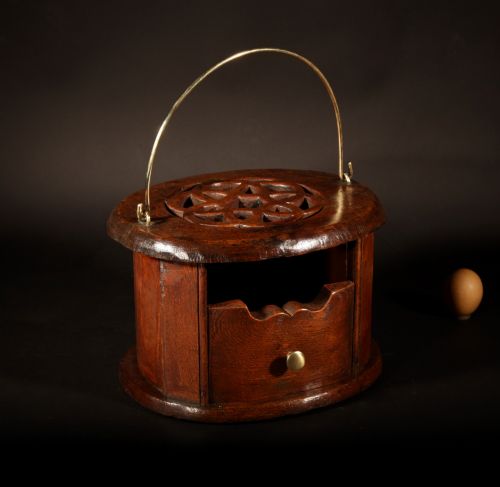
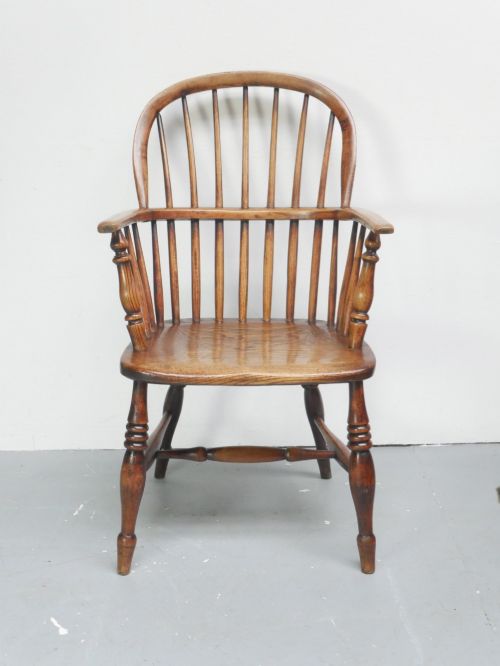
Nineteenth century oak carving encompasses a diverse selection of furniture, wall plaques, and decorative objects shaped during the Victorian and preceding eras. Buyers searching for nineteenth century oak carving encounter functional forms ranging from hall chairs and writing desks to elaborate bookcases and chests of drawers.
The pieces on this page originate predominantly from the nineteenth century, including specific decades such as eighteen-fifty, eighteen-sixty, eighteen-seventy, eighteen-eighty, and eighteen-ninety. Stylistic influences vary from Gothic revival and Baroque revival to English and French country traditions, often featuring robust joinery and sculptural surface work.
Distinctions in craftsmanship and design
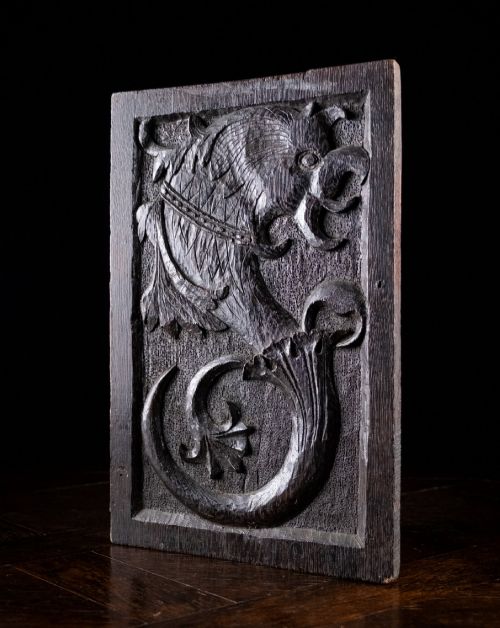
The distinction between standard commercial output and superior execution lies in the depth and crispness of the hand-carved elements. Sculpted figures, foliage, and architectural motifs executed with sharp relief and balanced proportions separate distinguished items from simpler, mass-produced workshop stock.
Proportion, timber selection, and original hardware integrity further define the hierarchy of pieces. Examples that retain their structural unity alongside well-figured grain and uncompromised surface patination command stronger interest from collectors.
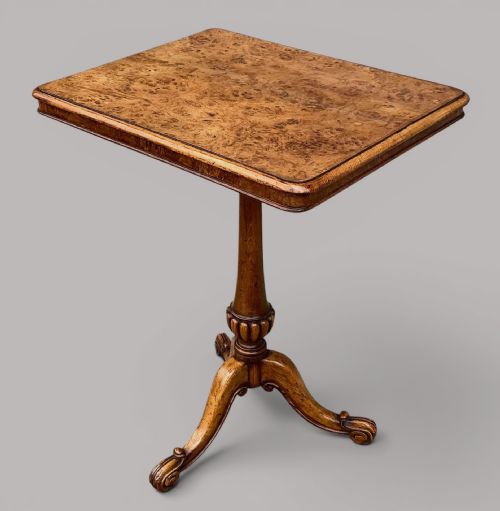
Recorded forms include dining chairs, pedestal desks, occasional tables, and longcase clocks.
Gillow and Co·Gillow·David Craig
The Nineteenth Century Oak Carving Glossary
- Green Man
- A sculptural motif representing a human face engrafted with leaves, vines, or branches. It frequently appears in Gothic revival architectural woodwork.
- Barley twist
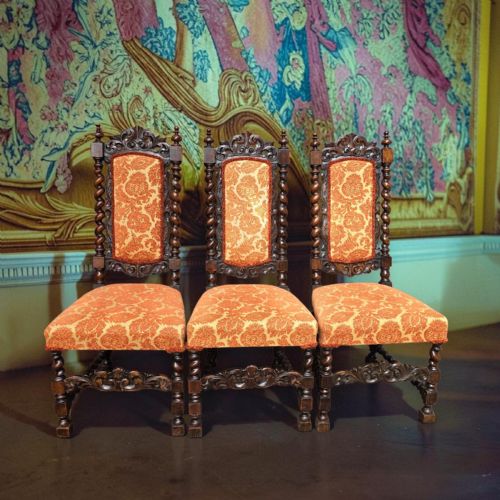
- A turned column or spindle resembling the spirals of a barley stalk. This technique became popular during the seventeenth century and saw revivals across the Victorian period.
- Pollard oak
- Timber harvested from trees that have been pruned near the trunk to encourage a dense network of branches. This process produces distinctive, highly figured burr patterns in the grain.
- Pedestal desk
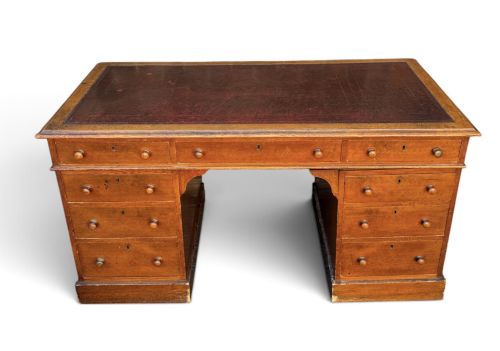
- A large freestanding writing table supported by two vertical banks of drawers. These items often feature substantial carved panels and leather-lined writing surfaces.
Nineteenth Century Oak Carving: Frequently Asked Questions
How do I identify Gothic revival pieces?
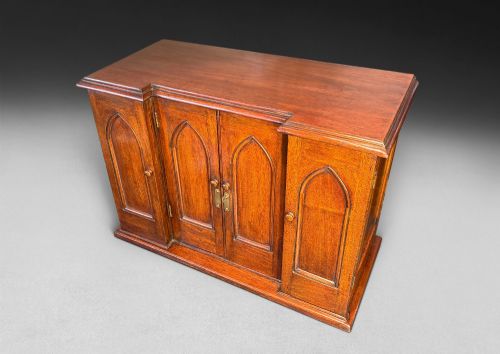
Gothic revival items display architectural elements such as pointed arches, trefoils, and heavy tracery carved directly into the timber. These designs draw inspiration from medieval buildings adapted for nineteenth-century domestic interiors.
Look for robust proportions, dark patination, and deeply recessed panels that mimic ecclesiastical stonework. The hardware often complements the medieval aesthetic through strap hinges and iron drop handles.
Where should I place a heavy oak desk?
Heavy oak desks require a stable, level floor capable of supporting substantial weight without shifting. Position the piece away from direct heat sources and strong sunlight to prevent the timber from drying and splitting.
Allow sufficient clearance around pedestals and chairs to accommodate movement. Adequate ambient lighting helps highlight the carved relief work and surface grain.
How do I care for carved oak surfaces?
Dust carved surfaces regularly with a soft, dry lint-free cloth to prevent particulate accumulation within the recesses. Avoid silicone-based sprays, opting instead for traditional beeswax applications sparingly applied to nourish the timber.
Maintain consistent indoor humidity levels to protect the wood from expanding or contracting excessively. Gentle handling preserves the original patination developed over generations.
What defines a Victorian hall chair?
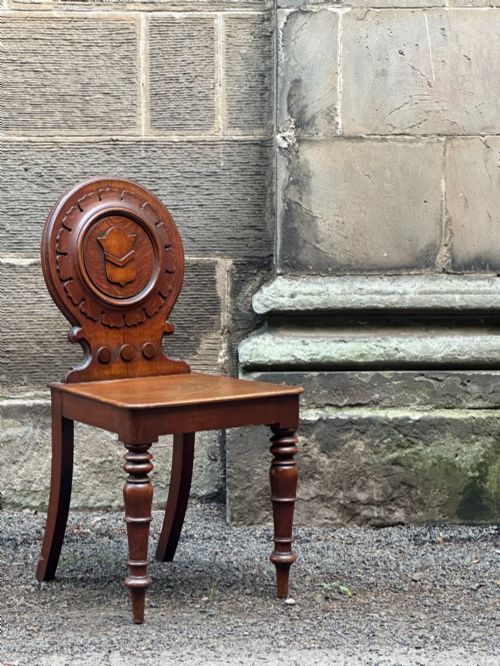
Victorian hall chairs serve as formal entryway seating characterised by solid timber construction and prominent carved backs. They often omit upholstery to emphasise the sculptural qualities of the wood.
Makers frequently incorporated family crests, Gothic tracery, or geometric strapwork into the solid back panels. These chairs were intended to display taste rather than provide prolonged comfort.