
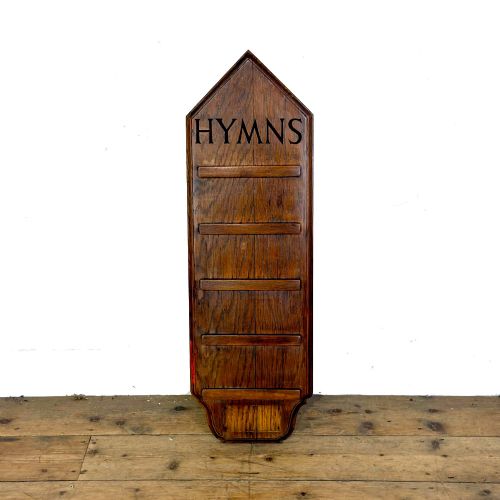
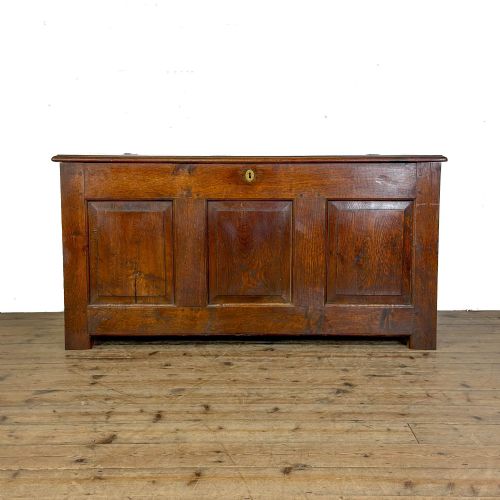
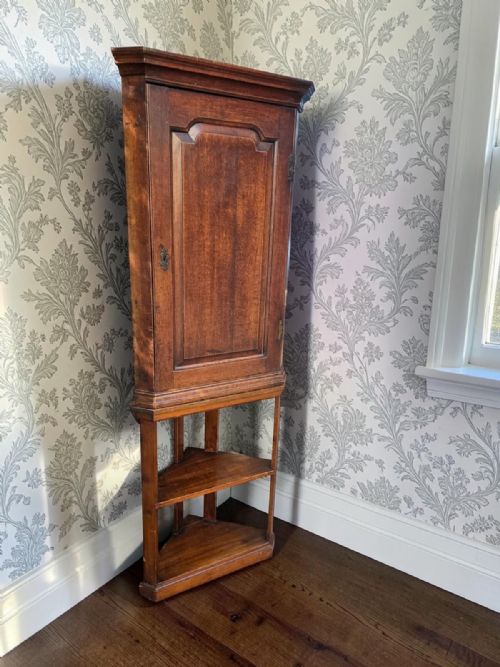
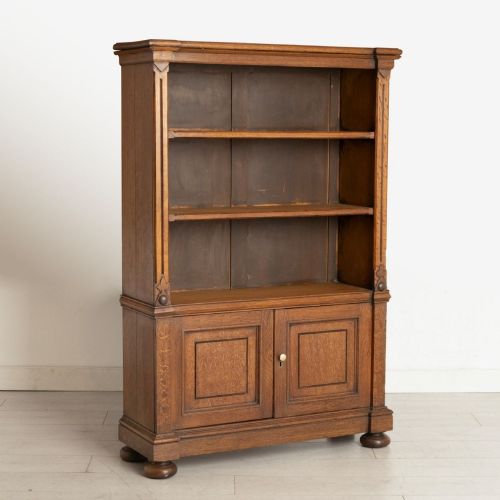
Victorian Oak Panel
A victorian oak panel brings deep grain and architectural weight to a room, functioning as either standalone wall art or architectural salvage.
Victorian Oak Panel
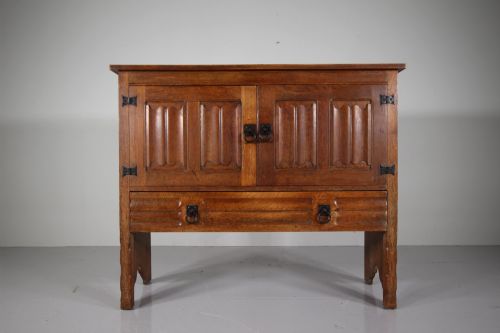
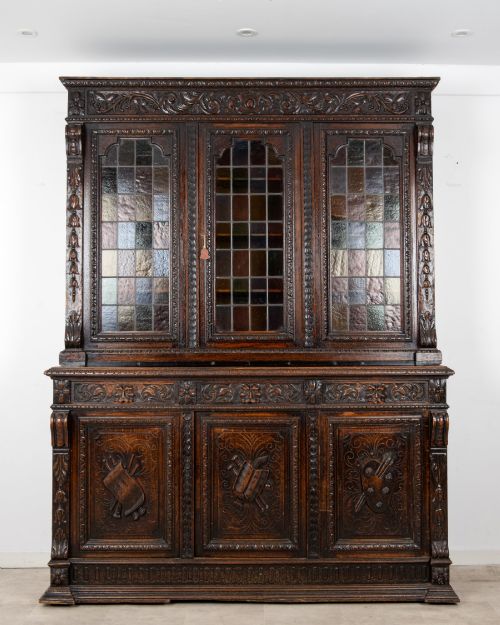
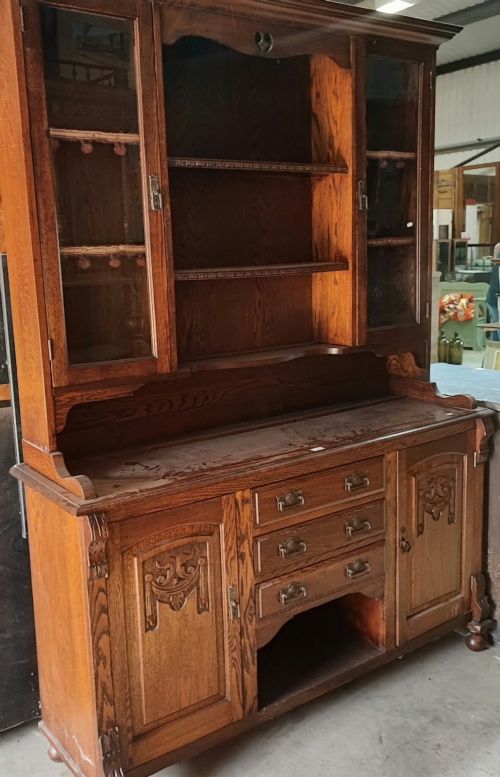
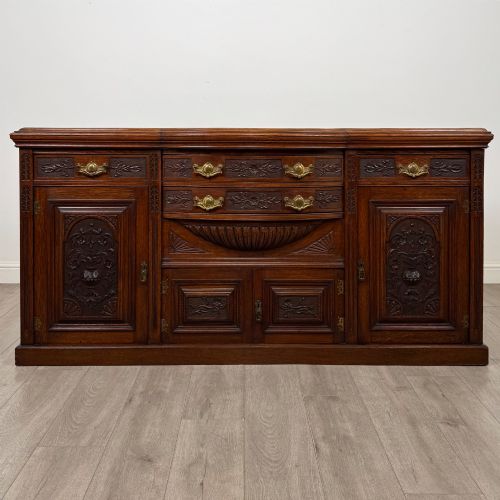
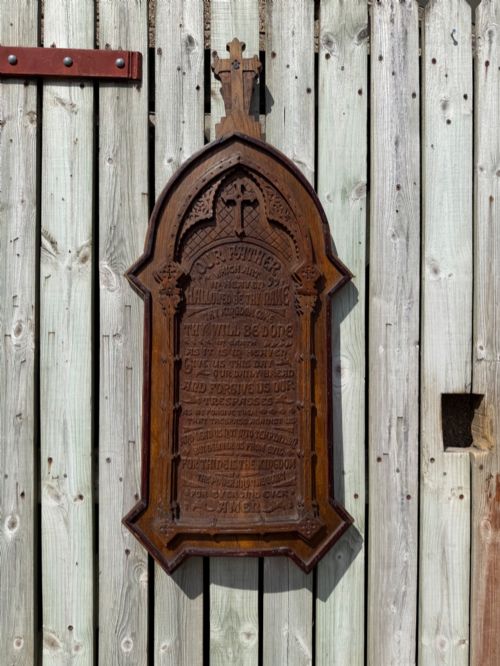
A victorian oak panel typically appears as architectural salvage, church screen sections, carved wall plaques, or structural elements integrated into larger pieces of furniture.
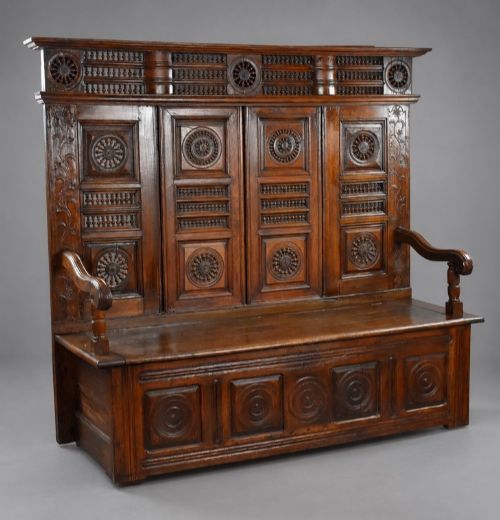
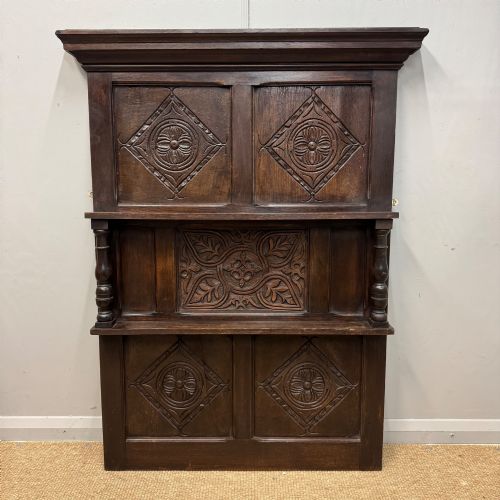
The most common formats on this page include carved architectural panels, church pew fronts, overmantel panels, and decorative wall hangings dating primarily from the nineteenth century.
These items emerge from various revival movements, reflecting Gothic, Jacobean, and Renaissance influences applied to domestic and ecclesiastical settings.
Materials and Technique
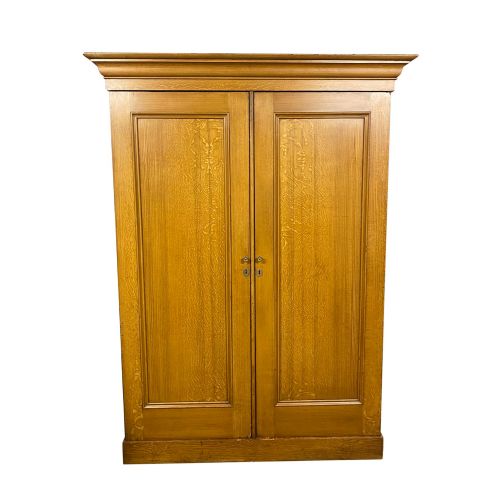
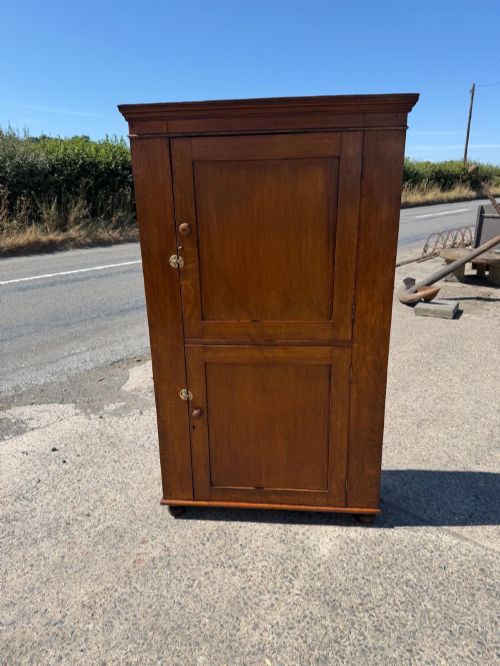
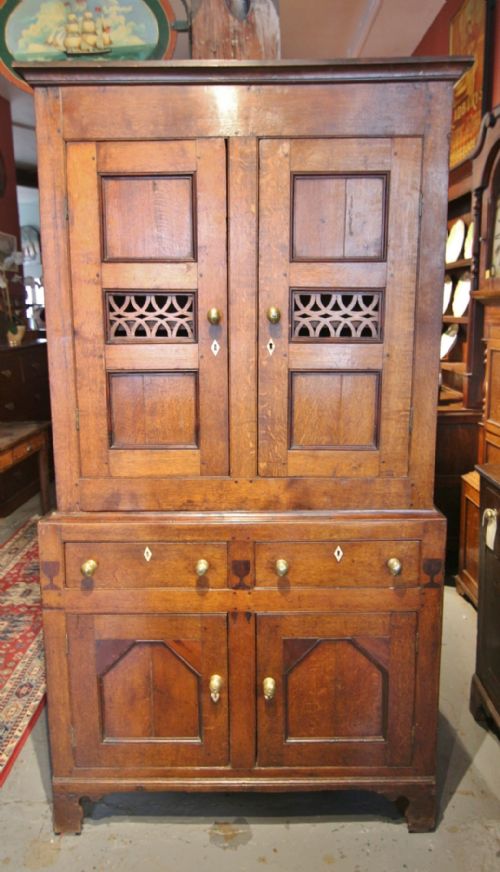
Makers utilised solid oak alongside specialised variants like tiger oak and pollard oak, often combining the timber with brass hardware, glass inserts, or leather details.
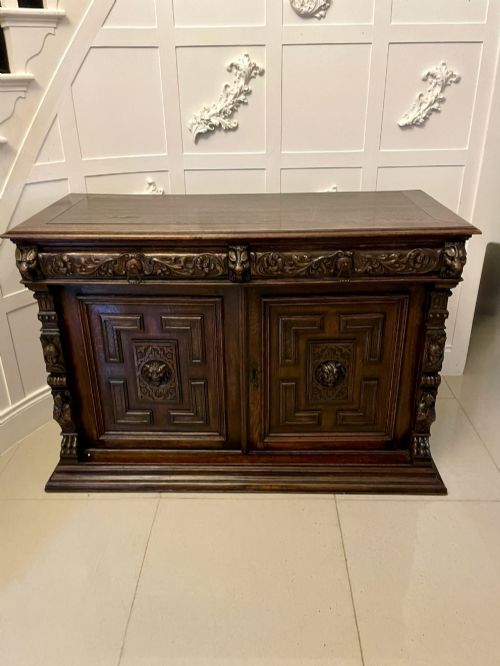
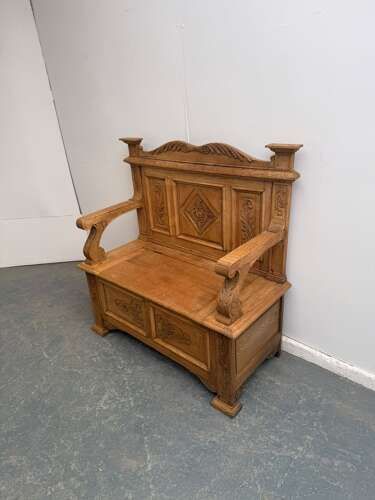
Carving technique defines the category, with craftsmen utilising hand-chiselling to execute intricate motifs ranging from Green Man masks and dragons to geometric tracery and floral panels.
Listings span the nineteenth and early twentieth centuries, featuring oak alongside walnut, brass, and hand-carved Gothic motifs.
Quality Variations
Depth and sharpness of the hand-carving separate superior examples from routine production, particularly in figurative work such as Green Man panels or heraldic motifs.
The choice of timber figure, such as tiger oak or pollard oak, alongside the integrity of the original joints and surface finish, dictates the standing of an individual piece.
Edwards & Roberts
The Victorian Oak Panel Glossary
- Green Man
- A sculptural architectural motif depicting a face made of or disgorged from foliage, frequently seen on nineteenth-century carved woodwork.
- Overmantel
- A decorative panel, mirror, or framework placed directly above a fireplace mantelpiece.
- Tracery
- Openwork pattern in stone or wood, commonly associated with Gothic Revival architectural elements and church screens.
- Settle
- A wooden bench with a high panelled back, solid arms, and often a storage box beneath the seat.
- Scumble
- A translucent layer of paint applied over a base colour to imitate the grain and appearance of oak.
Victorian Oak Panel: Frequently Asked Questions
What is a victorian oak panel used for?
These items function primarily as decorative wall hangings, architectural accents, or repurposed structural elements from historic interiors and ecclesiastical buildings.
Collectors often mount them directly onto walls as focal art pieces or integrate them into custom interior joinery.
How do I identify a gothic revival panel?
Gothic Revival examples typically display architectural motifs such as pointed arches, tracery, quatrefoils, and ecclesiastical carvings like poppy heads.
They reflect the nineteenth-century fascination with medieval design, often originating from church furnishings or domestic overmantels.
What is tiger oak?
Tiger oak refers to quarter-sawn timber that exhibits prominent, striking medullary ray patterns resembling tiger stripes when finished.
This cut enhances the visual depth of the grain, making it particularly sought after on nineteenth-century furniture and decorative panels.
How should I care for waxed oak woodwork?
Maintenance requires occasional application of quality beeswax to nourish the timber and preserve the historic patina without sealing the surface.
Keep pieces away from direct heat sources and strong sunlight to prevent the timber from drying out or splitting.