


Dark Oak Panel
A dark oak panel brings centuries of rich grain and historic timber directly into your interior.
Dark Oak Panel
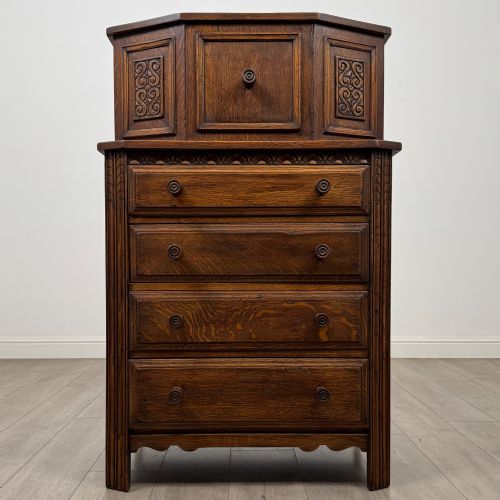
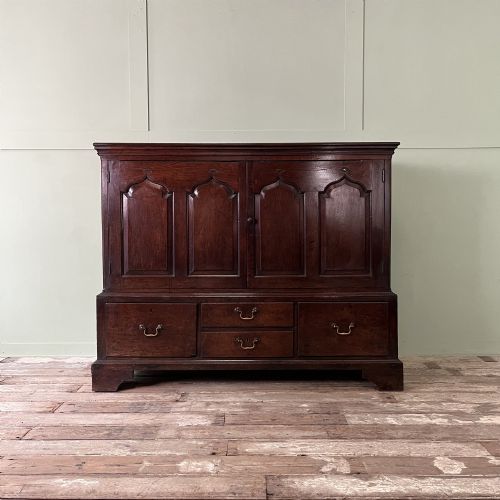
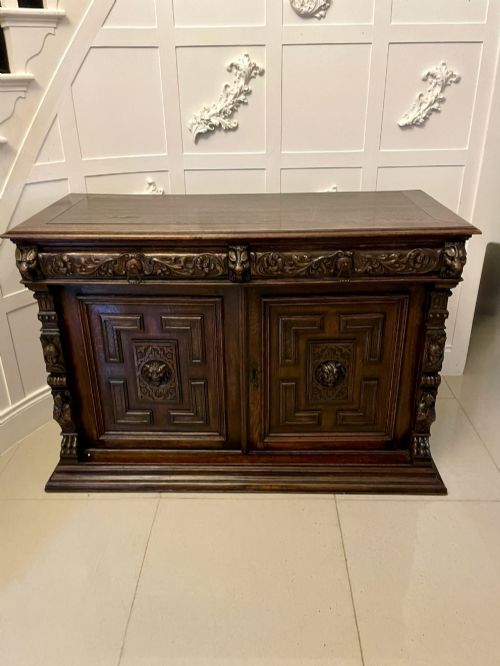
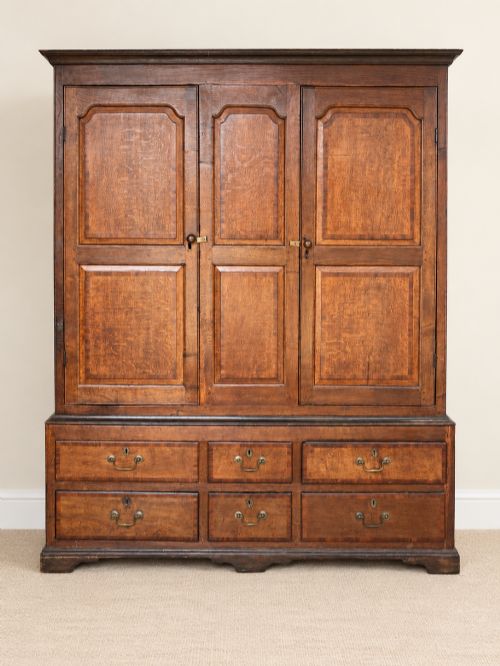
When you search for a dark oak panel, you encounter architectural fragments, carved panels, and substantial items built from heavy timber across multiple eras.
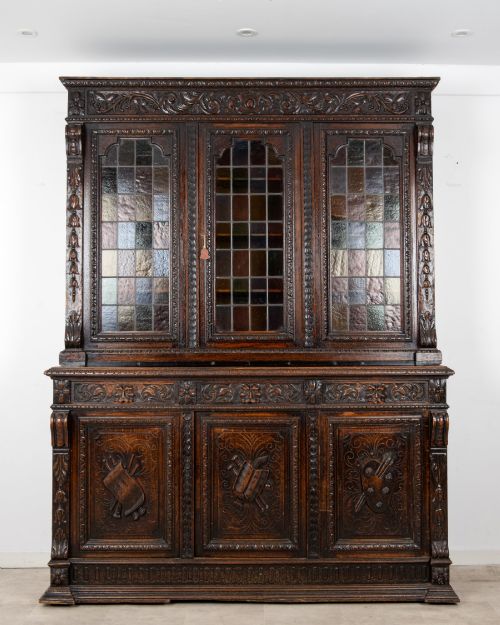
The selections on this page span several centuries, featuring early carved panels alongside later revival pieces and functional furniture.
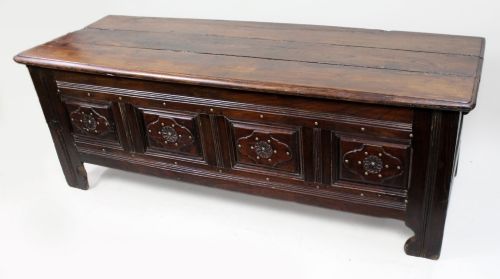
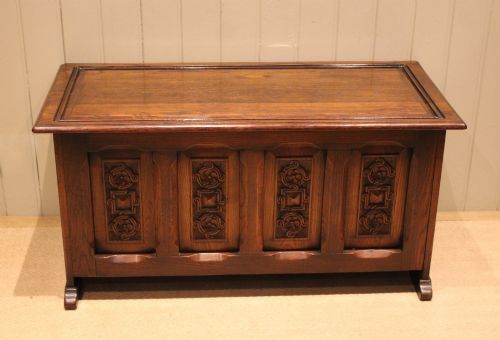
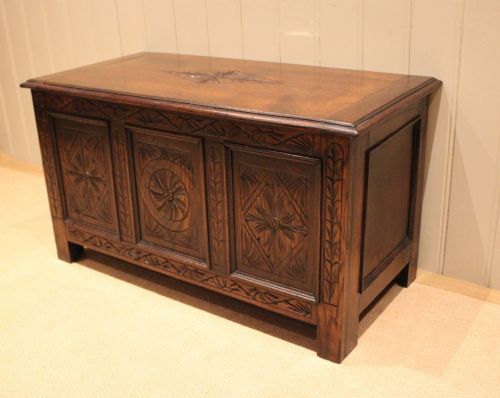
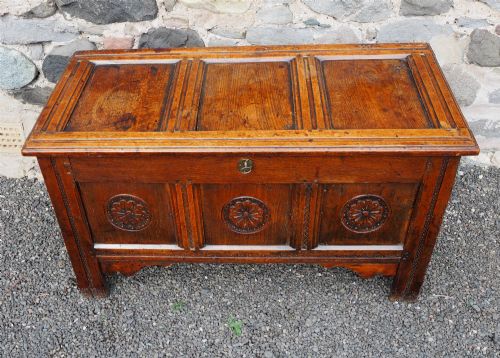
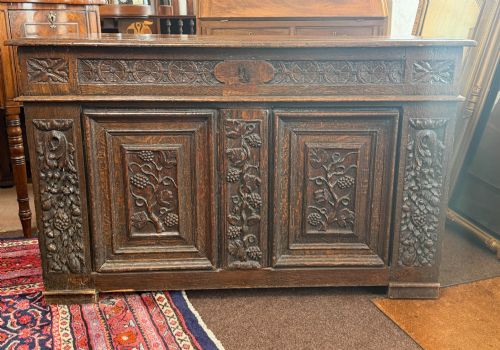
Coffers, cupboards, and settles dominate the offerings, each displaying the deep tones characteristic of aged oak timber.
What varies in quality
The depth and crispness of the hand carving separate standard production work from exceptional historic execution.
Originality of surface, timber selection, and the integrity of early joints determine the standing of each piece within its period.
The Dark Oak Panel Glossary
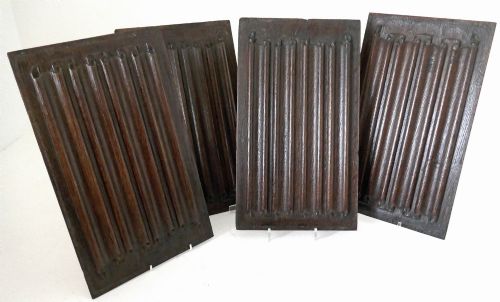
- Linenfold
- A style of wood carving that imitates folded linen, commonly seen on Tudor and sixteenth-century panels. This treatment gives flat timber a draped, textile-like appearance.
- Coffer
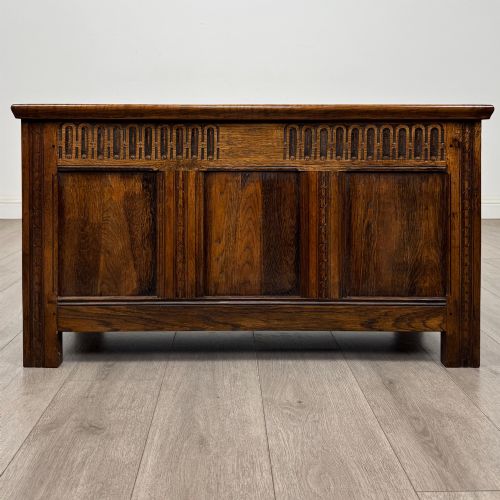
- A heavy wooden chest used historically for storage and sometimes as a bench. These sturdy boxes frequently feature carved fronts and robust boarded lids.
- Settle
- A wooden bench with a high back, solid arms, and often a storage compartment beneath the seat. They were designed to keep draughts away from people sitting near fires.
- Jacobean
- Pertaining to the reign of James I and the broader style of the early seventeenth century. Furniture from this era typically displays geometric moulding and dark, heavy oak.
Dark Oak Panel: Frequently Asked Questions
How do I care for dark oak panels?
Keep wooden surfaces away from direct heat sources and sudden humidity shifts to prevent the timber from splitting. Apply a suitable wax polish occasionally to nourish the grain and maintain a natural lustre.
Avoid using modern liquid cleaners or silicone sprays, which can damage the aged patina over time. A soft, dry cloth is usually sufficient for routine dusting.
Where were these panels used originally?
Historic panels formed part of interior wall panelling, screens, or large pieces of furniture within substantial homes and civic buildings. They provided both insulation and decorative display in period rooms.
Individual carved panels were often mounted above mantels or incorporated into later cabinetwork as decorative centerpieces.
How can I tell a seventeenth-century panel from a later revival piece?
Examine the tool marks, joint construction, and timber shrinkage patterns on the reverse of the panel. Hand-riven oak and traditional pegged mortise-and-tenon joints indicate early manufacture.
Nineteenth-century revival items often display machine-sawn timber uniformity and different patination compared to genuine seventeenth-century work.
What is a coffer used for today?
A coffer serves as a practical storage chest for blankets, bed linen, or bulky household items in modern living spaces. Its flat lid also allows it to function as a coffee table or hallway bench.
The substantial presence of dark oak adds a strong historic focal point to contemporary interiors.