

Seventeenth Century Carving
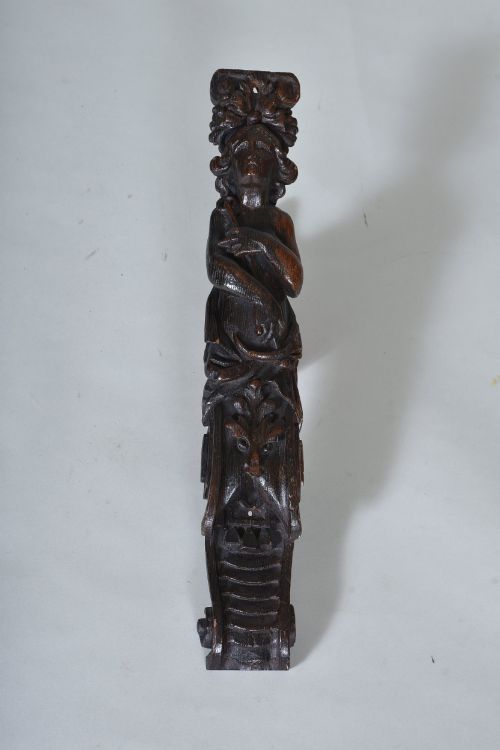
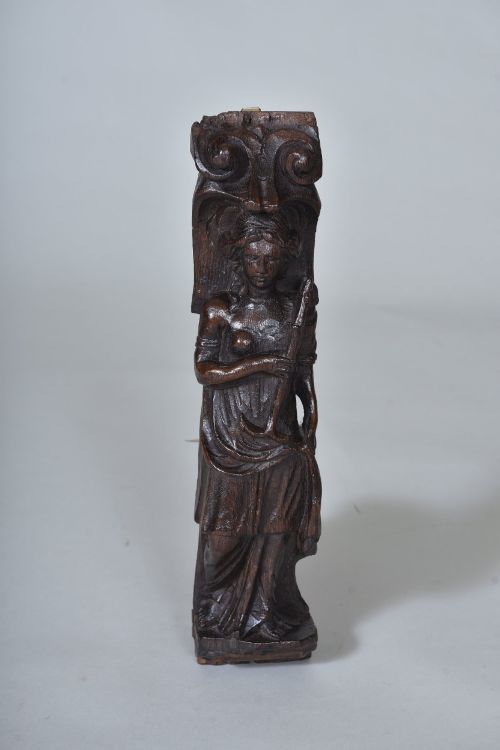
Seventeenth century carving delivers heavy timber furniture and panels loaded with deep chisel work, built to last generations.
Seventeenth Century Carving
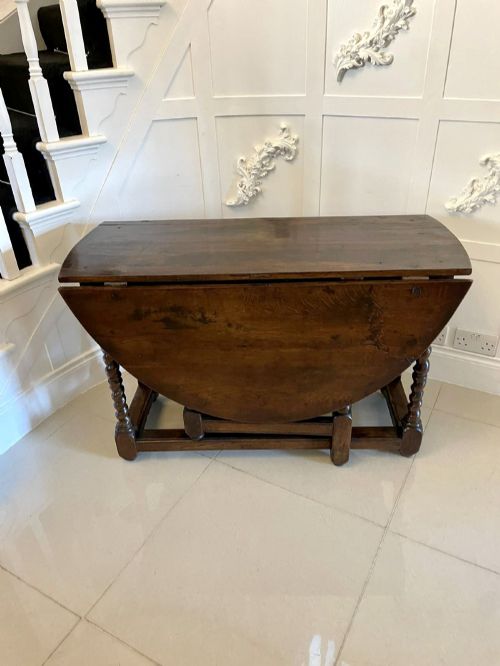
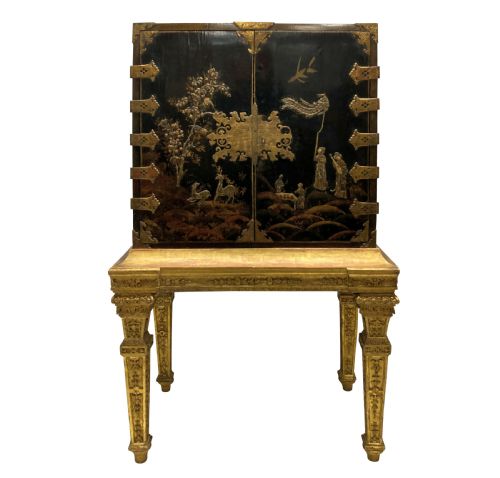
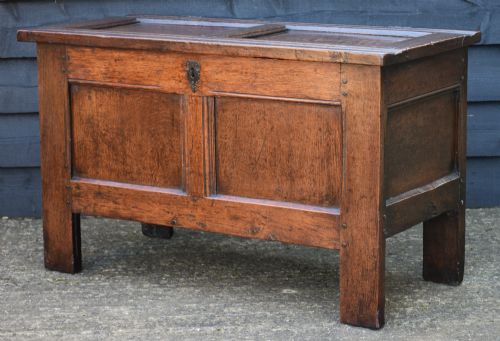
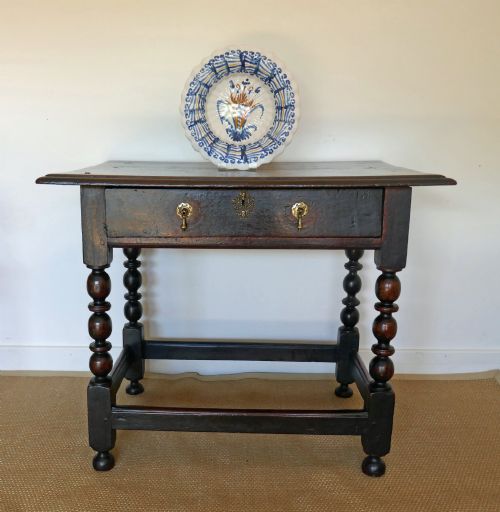
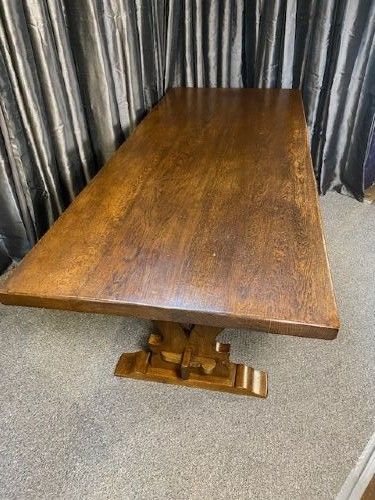
Buyers seeking seventeenth century carving encounter robust wooden items such as coffers, chests of drawers, armchairs, and dining tables. These pieces emerge from the seventeenth century alongside later revival periods like the nineteenth century and the early nineteen-hundreds.
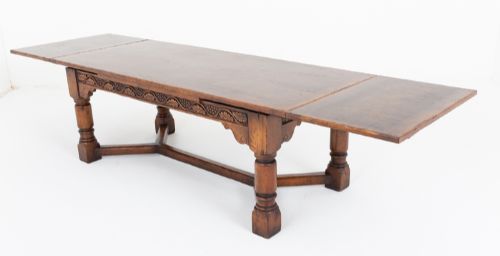
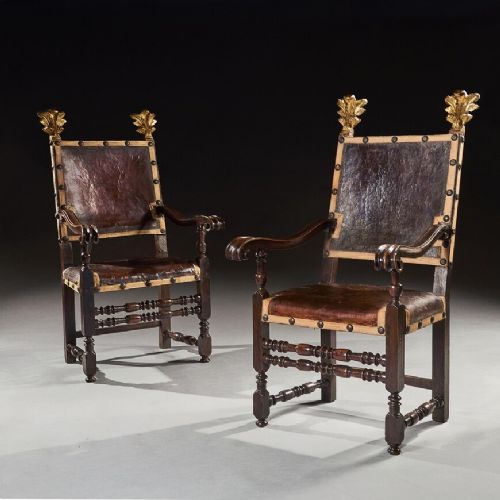
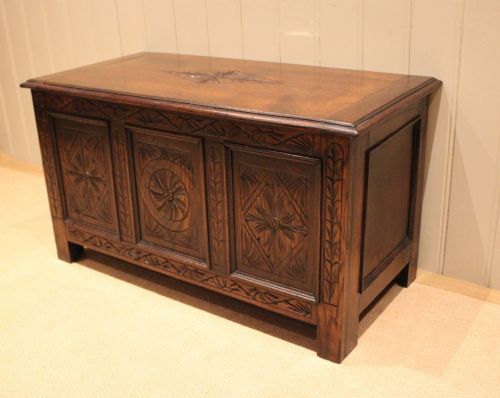
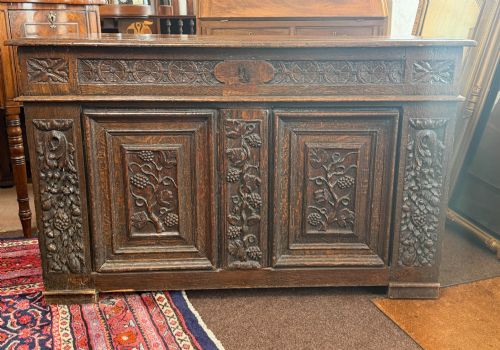
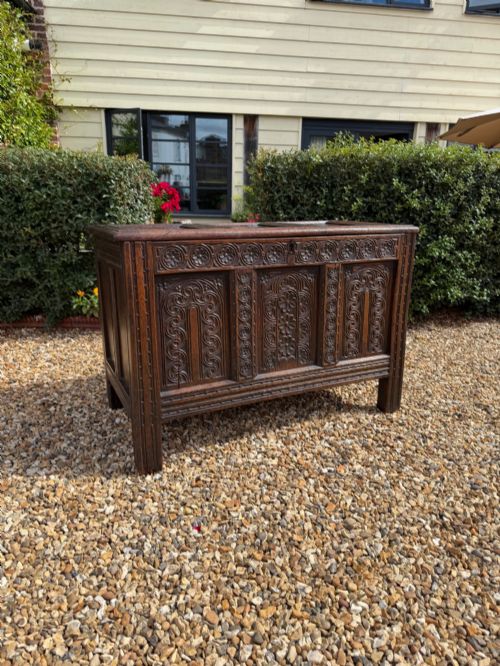
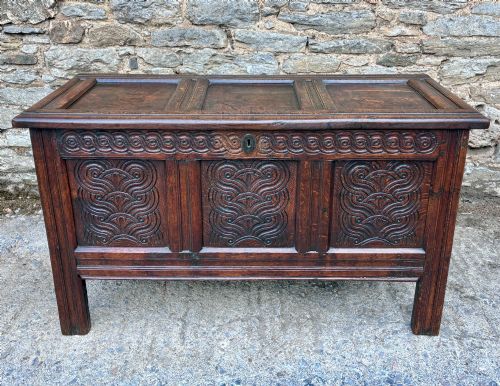
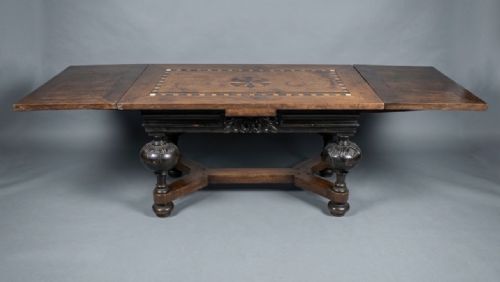
The most frequent items meeting this search are oak coffers and panelled chests, often displaying geometric mouldings and pegged joints. Walnut armchairs and draw leaf tables also appear, reflecting broader European styles like Italian Baroque and Jacobean design.
Materials and construction methods
English and European oak serves as the primary timber, joined by walnut, iron, and brass fittings. Artisans shaped these dense woods using hand chisels for relief panels and saws for structural framing.
Joinery relied heavily on mortise and tenon joints secured with wooden pegs rather than metal nails. Additional decorative effects involved wood inlay, giltwood, and leather upholstery fastened with decorative tacks.
Distinctions in craftsmanship
Quality separates objects by the crispness of the chisel work and the depth of the relief carving. Pieces retaining their original timber surfaces and untouched patination hold greater structural integrity than heavily restored examples.
Proportion and balance dictate the hierarchy of these items, where smaller proportions and integrated period hardware separate standard utilitarian furniture from exceptional regional pieces.
The Seventeenth Century Carving Glossary
- Coffer
- A large wooden chest used for storage, typically constructed with panelled sides and a hinged lid. These sturdy boxes frequently display carved motifs on the front boards.
- Draw leaf table
- A dining table equipped with pull-out extension leaves concealed beneath the main top. This clever mechanism expands the surface area without removing the central boards.
- Jacobean
- An artistic style spanning the early seventeenth century characterised by rigid symmetry and strapwork ornamentation. Furniture from this era displays heavy turned legs and flat carved panels.
- Wainscot chair
- A solid wooden armchair featuring a panelled back and closed arms. These sturdy seats represent significant status in early domestic interiors.
- Refectory table
- A long dining table traditionally built for communal dining halls. Surviving examples feature substantial timber stretchers supporting thick plank tops.
Seventeenth Century Carving: Frequently Asked Questions
How do I identify a genuine seventeenth century piece?
Examine the construction methods for hand-cut joints, wooden pegs, and tool marks left by traditional chisels. Timber shrinkage, hand-planed boards, and natural oxidation provide reliable indicators of age.
Compare the style of the carving and hardware against documented examples from the same period. Consistency in wear patterns across the entire object supports authenticity.
Were these carved chests used for storage?
Households utilised coffers and panelled chests primarily to store textiles, linens, valuables, and dry foodstuffs away from damp floors. Their flat tops also allowed them to function as tables or benches when necessary.
Over time, these heavy chests evolved into specialised storage furniture like chests of drawers and cupboards. Their robust construction protected contents from pests and dust.
How should I care for antique oak furniture?
Maintain stable indoor humidity and temperature levels to prevent the dense oak timber from splitting or warping. Keep wooden surfaces away from direct heat sources and strong sunlight.
Apply traditional wax sparingly to nourish the grain and protect the original patina. Avoid modern liquid polishes that contain silicone and damage historic finishes.
What is the difference between Jacobean and Baroque styles?
Jacobean design relies on flat geometric panels, strapwork, and sturdy, rectilinear framing. The ornamentation remains relatively restrained and structural.
Baroque furniture introduces dynamic curves, parcel-gilt details, and richer materials like walnut and leather upholstery. This continental influence produces more theatrical silhouettes.