
Antique Carved Oak Panel
An antique carved oak panel brings tangible centuries of texture and architectural presence directly into a modern room.
Understanding the antique carved oak panel
When you search for an antique carved oak panel, you enter a field populated by fragments of architectural salvage, overmantels, and dedicated wood carvings spanning several centuries. These pieces originate as standalone decorative elements or as extracted components from larger furnishings and buildings, carrying rich historical weight.
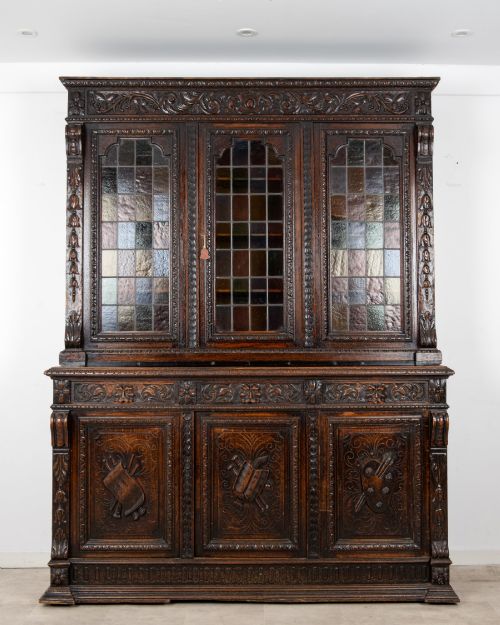
The versions you meet most frequently on this page date from the 17th century through to the 19th century, reflecting periods ranging from Baroque to Victorian Gothic Revival. Many trace their lineage to English, French, and Flemish workshops, taking the form of ceiling bosses, coffer fronts, and figural or floral reliefs.
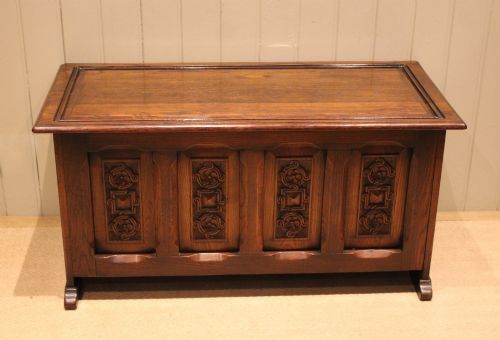
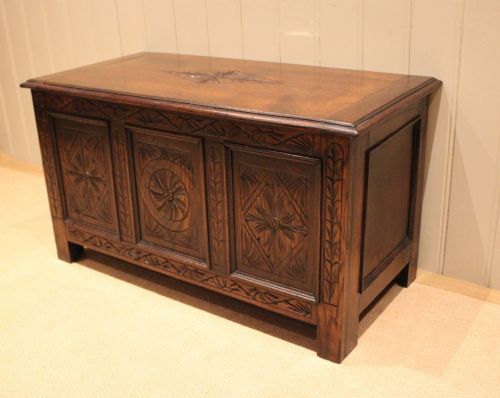
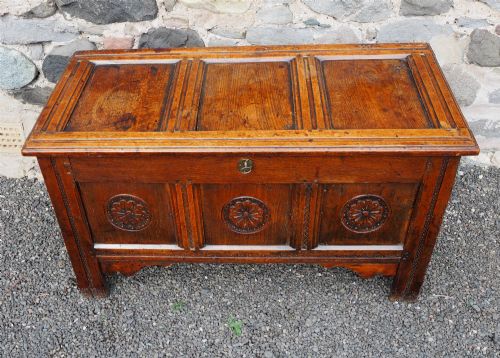
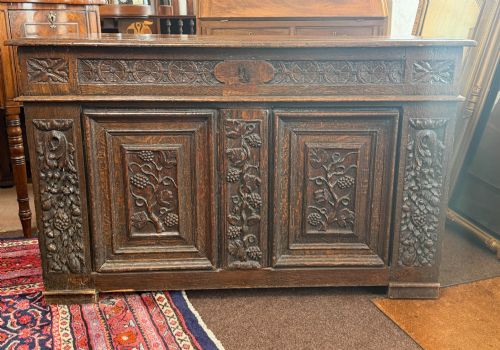
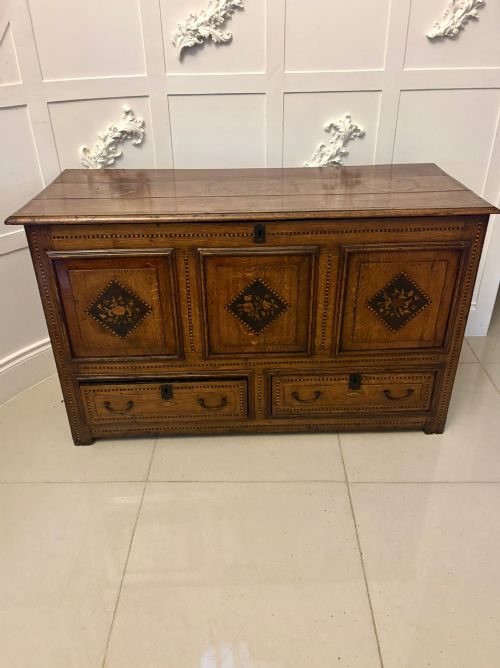
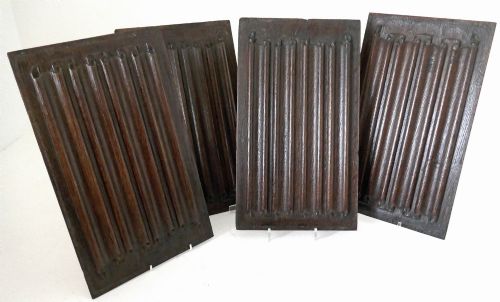
Collectors encounter everything from simple linenfold and geometric lozenge designs to elaborate panels depicting acanthus leaves, cherubs, and symbolic figures like Lady Justice. Each format reveals how master carvers of the past transformed utilitarian timber into sculptural narratives for domestic and institutional spaces.
Assessing craftsmanship and sculptural depth
Depth of relief and sharpness of undercut details distinguish standard utilitarian work from master carvers who achieved genuine three-dimensional illusion. The precision with which motifs like acanthus leaves or figural anatomy are rendered indicates the skill of the original hand.
Proportion and harmony within the composition dictate visual success, where naturalistic elements such as birds, floral garlands, and human figures integrate smoothly into the rectangular or circular boundaries of the timber.
Retail Price Guide 2026
Typical UK retail prices for carved oak panel, calculated from the Sellingantiques database of over a million retail prices indexed since 2003. This retail price guide relies exclusively on Sellingantiques data; no external sources or auction records are used, so the figures do not describe the wider market.
The listings span the 17th, 18th, and 19th centuries, executed entirely in solid oak with Victorian Gothic, Baroque, and Georgian influences.
The Antique Carved Oak Panel Glossary
- Acanthus
- A classic decorative leaf motif carved in relief, heavily utilised in classical and Baroque ornamentation. It mimics the lobed leaves of the Mediterranean acanthus plant.
- Coffer
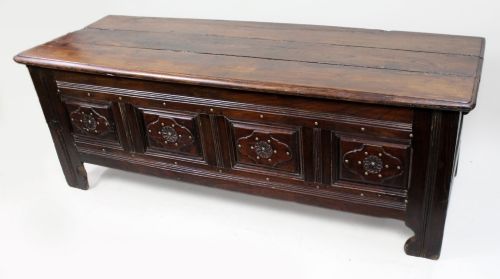
- A large wooden chest used historically for storage, often featuring front panels decorated with carved motifs, panels, and tracery. These boxes formed a staple of early domestic furniture.
- Linenfold
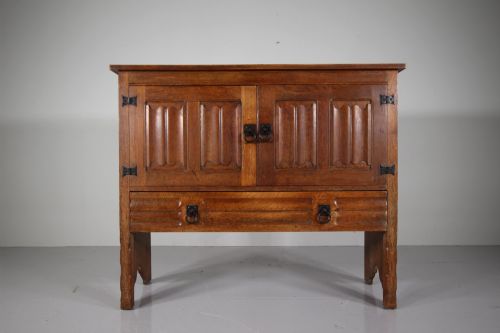
- A style of wood panel carving popular in the 15th and 16th centuries that imitates vertical folds of fabric or linen. This technique gave flat panels texture and architectural depth.
- Pierced carving
- A technique where the background wood is cut entirely away to create an openwork design resembling lace or fretwork. It allows light and shadow to pass through the sculptural elements.
- Overmantel
- A decorative panel or framework situated directly above a fireplace mantel. These pieces frequently incorporate elaborate carvings to serve as the visual focal point of a room.
- Ceiling boss
- A projecting architectural ornament positioned at the intersection of ribs in a ceiling or vault. In woodwork, these roundels often feature dense foliate or figural carving.
Frequently Asked Questions
What were carved oak panels originally used for?
These panels primarily served as structural or decorative components within larger items like coffer chests, wall panelling, and settle backs. They also functioned as architectural salvage from historic buildings, including ceiling bosses and overmantels.
Over the centuries, many panels were extracted from their original furniture or interiors to be displayed purely as independent works of art. Their robust oak construction ensured they survived structural alterations and house demolitions.
How do I date an antique oak panel?
Dating relies heavily on stylistic markers, tool marks left behind by the carver, and the overall shrinkage and patina of the oak timber. Specific motifs like Gothic tracery, Renaissance portraiture, or Baroque acanthus leaves point directly to particular centuries.
Examining the edges and reverse side reveals how the panel was originally framed or joined, offering further clues to its age. Grain patterns and surface oxidation accumulated over hundreds of years help confirm the period.
Can I mount these panels on modern walls?
Many collectors choose to mount these panels on walls as standalone sculptural artworks to appreciate the depth of the carving. Secure fixings must accommodate the weight and natural seasonal movement of solid oak.
It is vital to keep them away from direct heat sources like radiators, which can cause the timber to dry out and split. Consulting a professional framer ensures the piece remains supported without stressing the historic wood.
Are Flemish and French panels different from English ones?
Continental panels from France and Flanders frequently exhibit bolder, highly theatrical figural scenes, such as putti, lions, and complex allegorical figures. English examples tend to favour geometric strapwork, floral arrangements, and traditional linenfold designs.
Regional carving traditions dictate both the choice of motifs and the specific depth of the relief work. These stylistic differences allow collectors to identify the geographic origin of workshop production.