


Oak Architectural Salvage
Oak architectural salvage comprises heavy structural fragments and decorative elements spanning centuries, offering direct physical continuity with past building traditions.
Oak Architectural Salvage
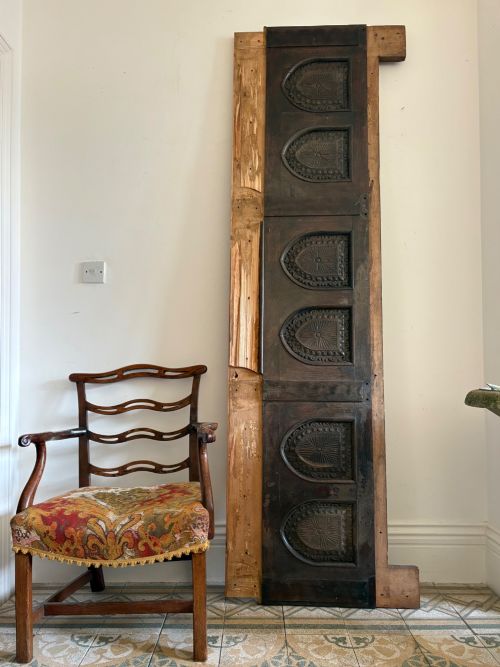
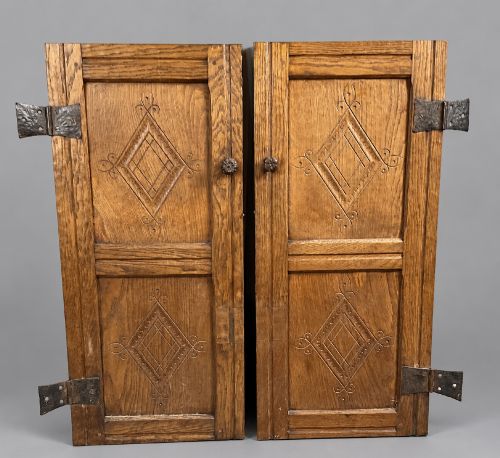
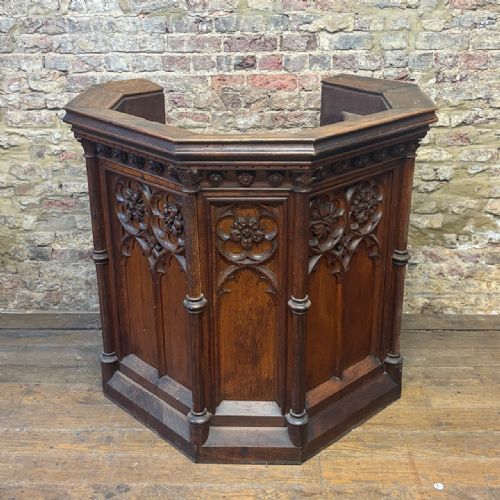
Oak architectural salvage brings together structural elements and decorative fragments retrieved from period buildings, spanning periods from pre-sixteenth century medieval examples through the seventeenth, eighteenth, and nineteenth centuries. Buyers examine items ranging from doors and wall panels to fire surrounds, pulpits, and ceiling bosses.
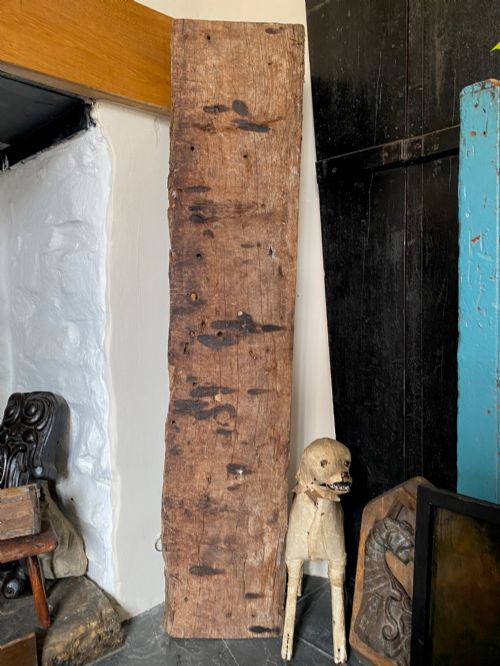
The material predominantly appears in dark oak, timber, and walnut, often retaining traces of original paint or iron fixings. Pieces reflect architectural movements such as Gothic Revival, Jacobean, Tudor, and Baroque, originating from English, French, and Flemish workshops.
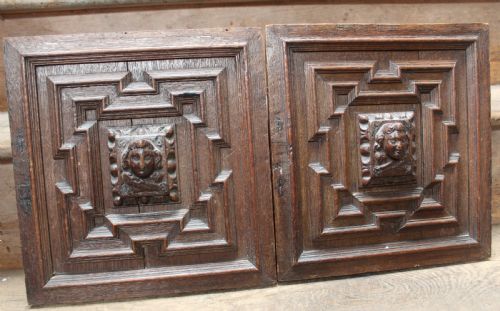
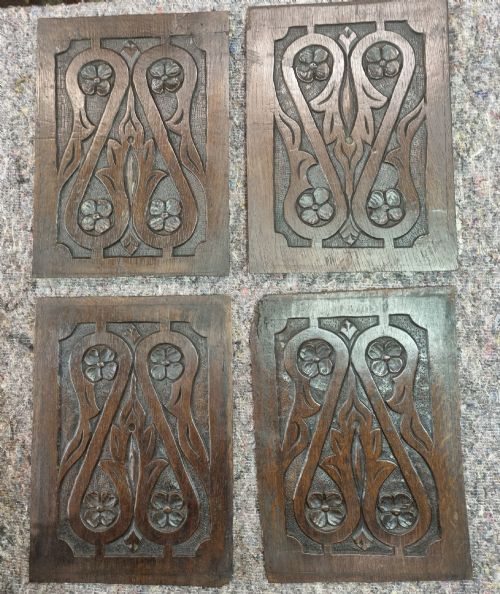
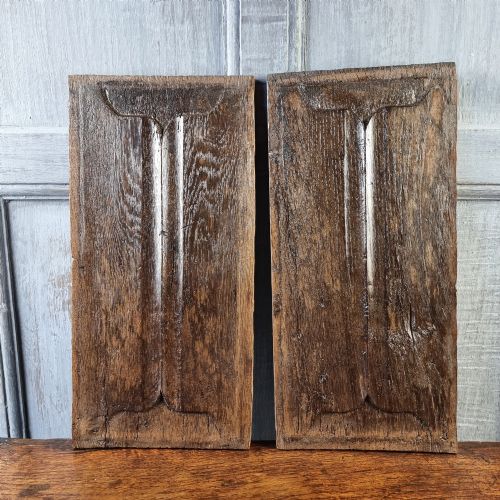
Panel formats such as linenfold and parchemin sit alongside functional items like box locks, newel post finials, and bed canopies. These survivals offer tangible fragments of historic interiors for contemporary projects.
What varies in quality
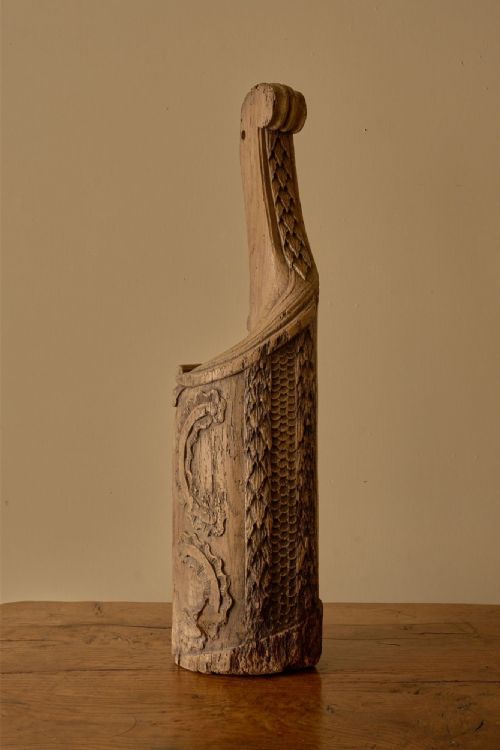
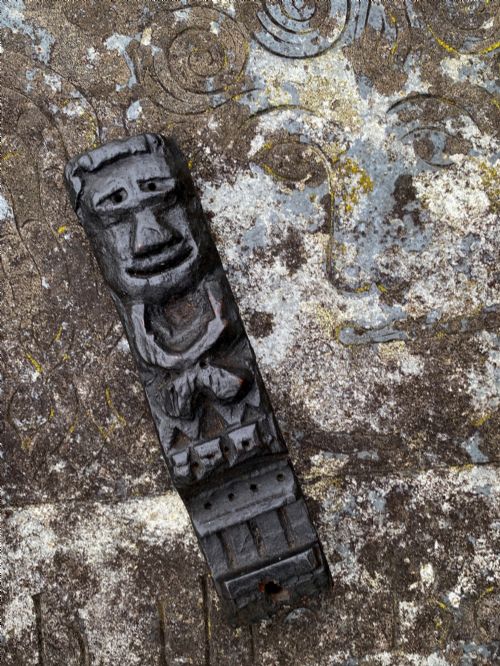
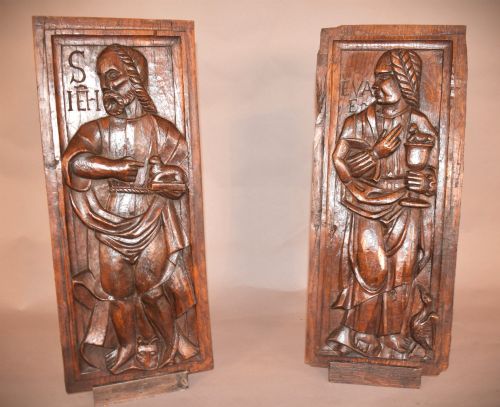
Depth and crispness of hand carving separate accomplished workshops from routine production, visible in the articulation of figures, foliage, and heraldic details on panels and corbels. The integrity of the timber and the survival of original surface finishes significantly influence the character of each piece.
The complexity of the form, such as pierced openwork on ceiling bosses or multi-component bed canopies, indicates the original ambition of the commission. Authenticity of period construction methods and minimal later intervention preserve the historical weight of the salvage.
Oak Architectural Salvage Retail Price Guide 2026
Typical asking prices for oak architectural salvage among the pieces listed under this phrase on Sellingantiques today, from the lower quarter to the upper quarter. They describe what is for sale here now, not the wider market.
Listings feature sixteenth-century panels alongside nineteenth-century Gothic Revival pulpits and twentieth-century utilitarian doors.
Edward Pearce·Robert Mouseman Thompson
The Oak Architectural Salvage Glossary
- Linenfold
- A style of wood panel carving that imitates vertical folds of fabric. This motif appears frequently on sixteenth and nineteenth-century panels.
- Corbel
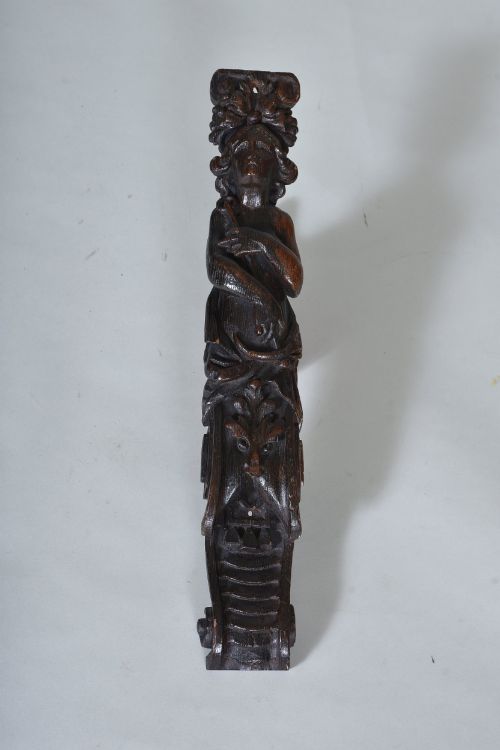
- A structural piece of stone or timber projecting from a wall to support a weight. Examples include carved wooden figures and scroll brackets.
- Ceiling Boss
- A decorative projecting block at the intersection of ribs in a ceiling. These carved wooden elements often feature floral or gothic motifs.
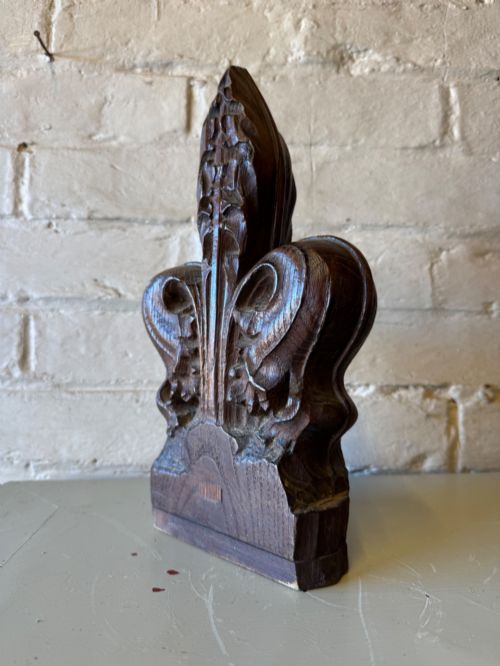
- Newel Post Finial
- An ornamental cap terminating the upright post that supports a handrail. Figures, animals, and carved terminals often occupy this position.
- Overmantel
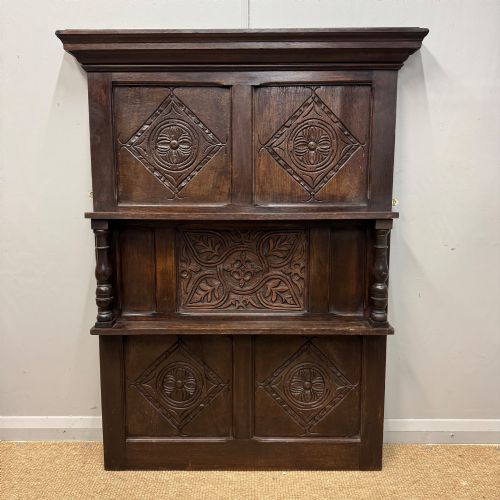
- A decorative panel or structure placed above a fireplace mantel. These architectural elements frequently display elaborate seventeenth-century carvings.
Oak Architectural Salvage: Frequently Asked Questions
What periods do these pieces date from?
The inventory spans from pre-sixteenth century medieval fragments through seventeenth-century joinery to nineteenth-century Gothic Revival pieces. Each era introduces distinct carving styles and structural forms.
Items range from early Tudor linenfold panels to Victorian church pulpits and fire surrounds. Documentation often indicates the specific century of origin based on timber characteristics and joinery techniques.
How were these architectural elements originally used?
Elements functioned as structural supports, wall linings, and decorative focal points within ecclesiastical and domestic interiors. Items like ceiling bosses decorated vaulted timber roofs, while corbels supported beams.
Other components served as functional hardware, including working box locks for doors, bed canopies for sleeping quarters, and architectural fragments incorporated into larger timber facades.
How do you install salvaged oak panels?
Installation typically involves mounting panels onto prepared timber batten frameworks fixed to interior walls. This method allows the historic wood to adjust to modern atmospheric conditions without direct wall contact.
Heavier architectural items such as overmantels and fire surrounds require secure structural fixings into masonry or studwork to bear the significant weight of the oak.
How do you identify Gothic Revival pieces?
Gothic Revival items, often dating to the nineteenth century, emulate medieval ecclesiastical aesthetics through pointed arches, quatrefoils, and heavy tracery. These pieces draw direct inspiration from earlier medieval architecture.
Makers combined traditional timber techniques with the nineteenth-century renewed interest in gothic forms, applying them to items like church pulpits and architectural elements.