


Georgian Oak Carving
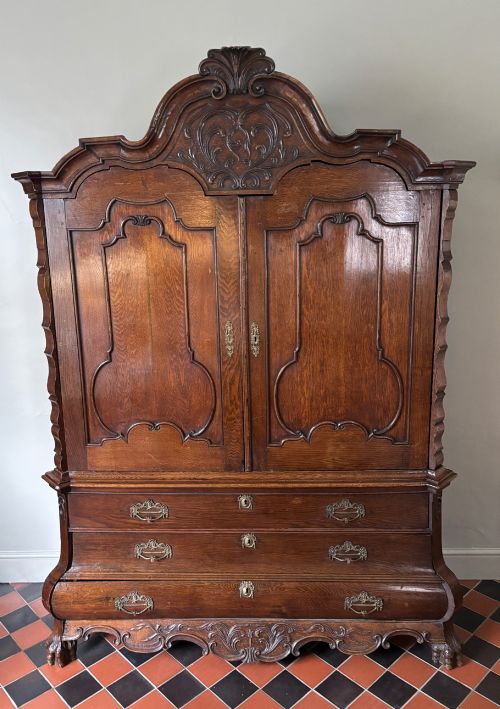
Georgian oak carving brings together solid timber and historic hand-cut detail, from architectural panels to furniture adorned with period motifs.
Georgian Oak Carving
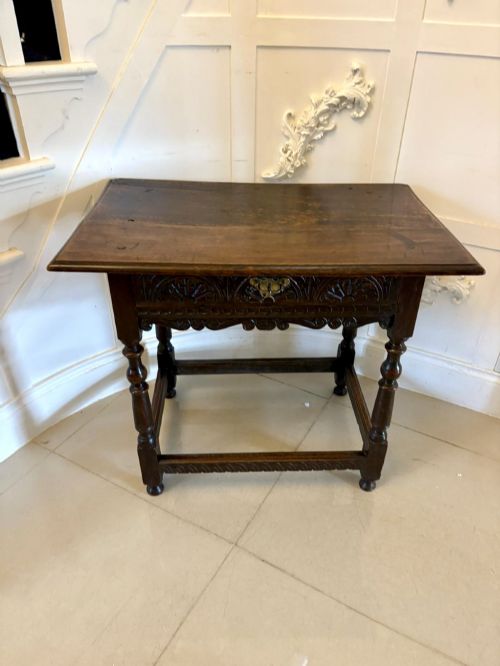
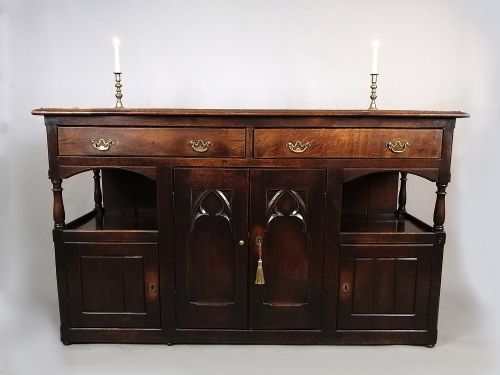
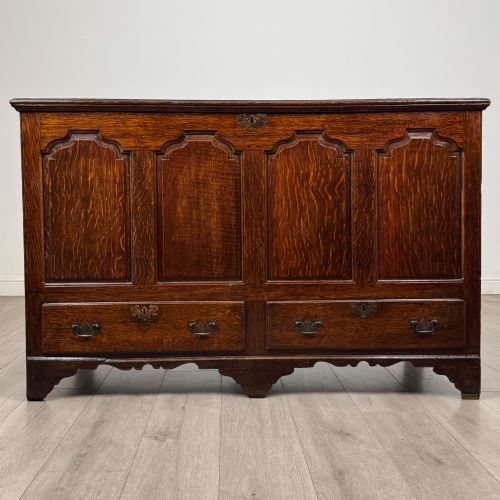
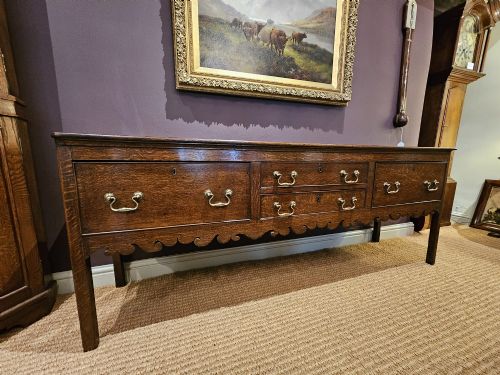
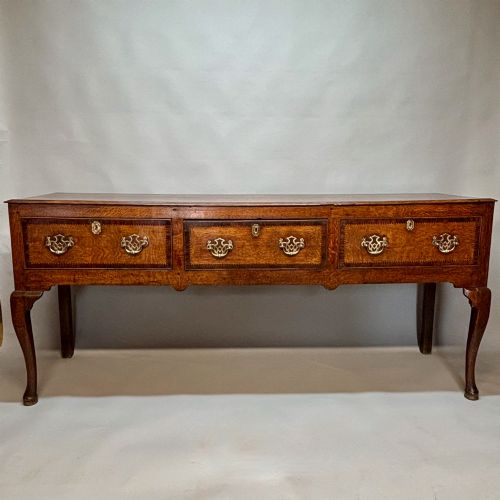
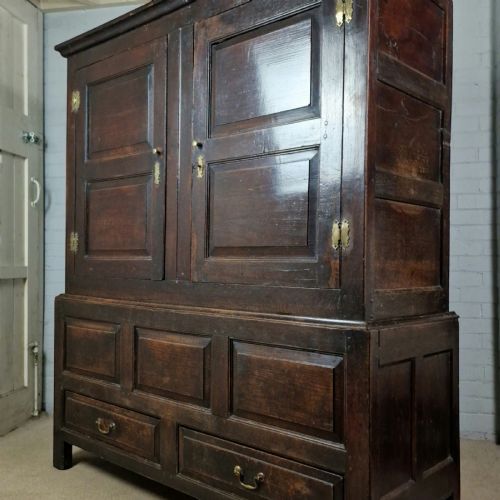
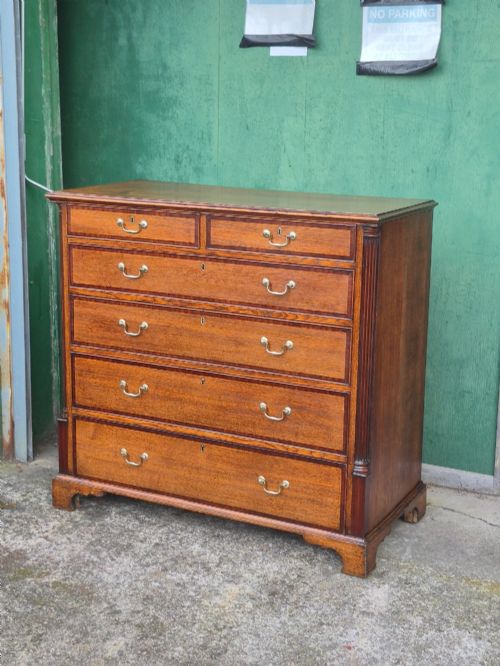
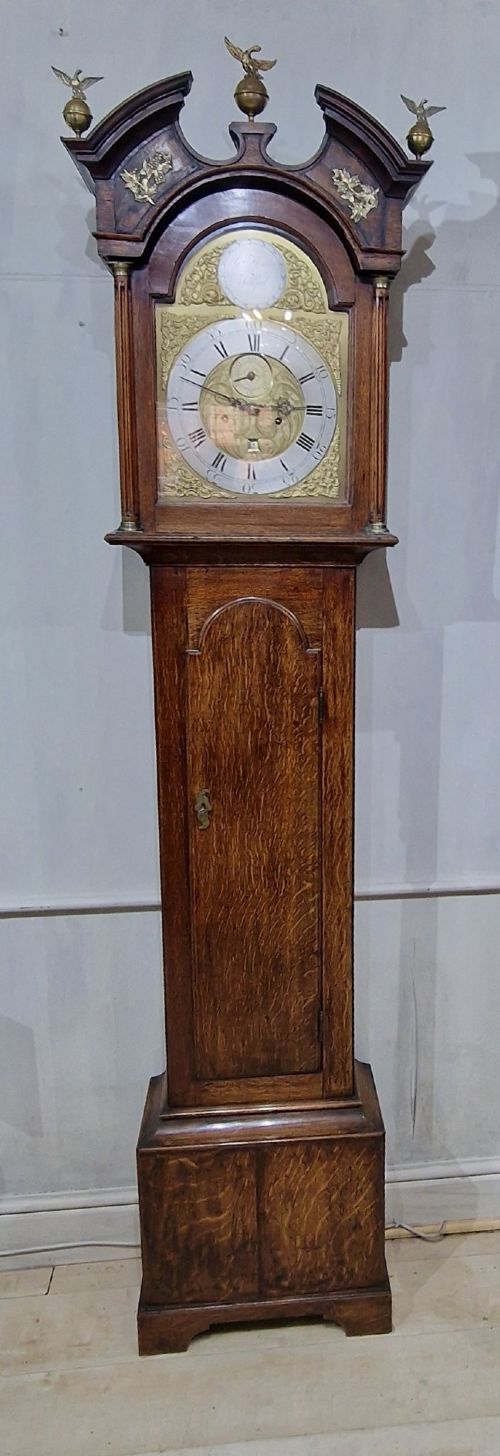
When you search for georgian oak carving, you encounter pieces spanning the eighteenth century alongside related items from adjacent periods. These objects take the form of functional furniture like dressers, coffers, and longcase clocks, as well as distinct carved panels and church woodwork.
The most common examples on this page combine sturdy construction with decorative surface work, ranging from country house styles to vernacular Welsh designs and George III forms.
Materials and technique
Makers relied primarily on oak, sometimes paired with burr oak, walnut, brass, iron, glass, and leather. These materials were worked using hand tools to create structural frames, panelled doors, and dovetailed drawers.
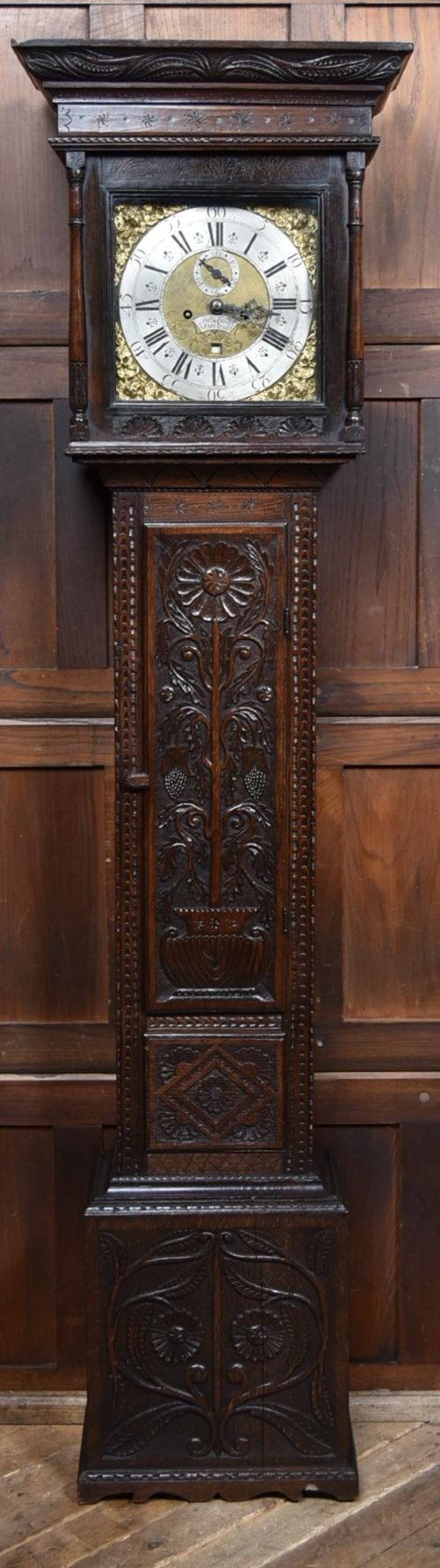
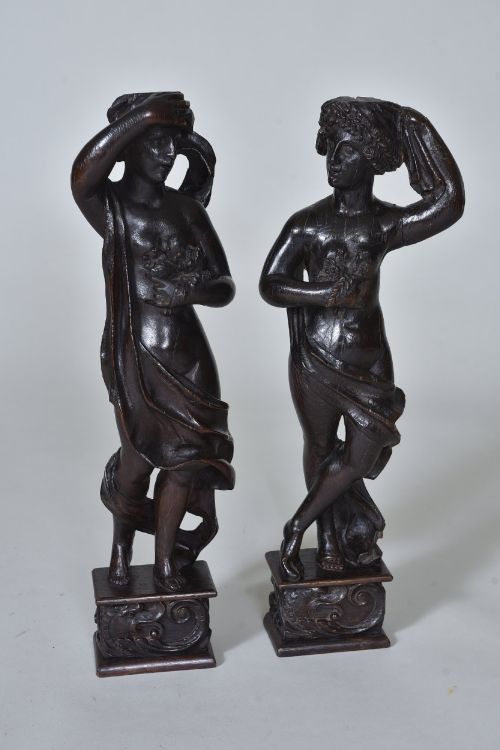
Carving was executed directly into the timber, utilising gouges and chisels to produce geometric mouldings, figures, and foliate patterns.
Listings include oak alongside brass, iron, glass, burr oak, wood inlay, leather, and walnut across various domestic forms.
What separates the best from the rest
Quality rests in the crispness of the hand-carved detail and the integrity of the timber used across the piece. Superior examples display deep, deliberate chiselling rather than shallow or later mechanical embellishments.
Proportion and the retention of original brass hardware or structural elements further distinguish exceptional pieces from standard vernacular work.
Jn Smith Macclesfd·Richard Corless of Stockport·James Hendrie Falkirk
The Georgian Oak Carving Glossary
- Coffer
- A large wooden chest used for storage, often heavily panelled and carved on the front fascia. It represents one of the earliest forms of domestic containment.
- Lowboy
- A small side table with drawers, typically set on cabriole or straight legs. These tables served various domestic functions in the Georgian interior.
- Refectory table
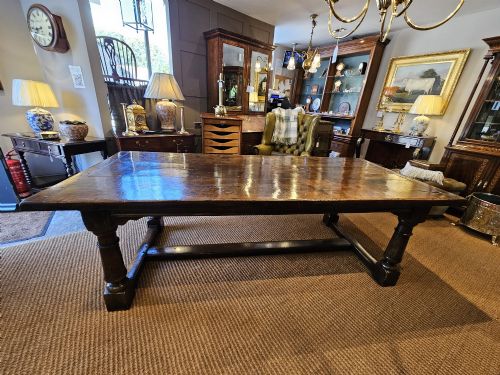
- A long, substantial dining table built for communal use. They often feature sturdy stretchers and thick plank tops.
- Wainscot armchair
- A heavy wooden chair constructed with panelled backrests and solid arms. They originate from an era when seating was reserved for the head of the household.
- Vernacular
- Regional building and crafting traditions distinct from formal London styles. Welsh and country examples show local preferences in construction and ornamentation.
Georgian Oak Carving: Frequently Asked Questions
How do I identify georgian oak carving?
Look for the dense grain and rich colour characteristic of period timber, combined with hand-cut tool marks that indicate manual chiselling.
The style of the carving often reflects regional tastes or specific architectural motifs popular during the eighteenth century.
Where were these pieces used originally?
These items populated country houses, farmhouses, and ecclesiastical settings, serving both utilitarian storage needs and decorative display.
Larger furniture pieces anchored main living spaces, while panels and carvings were integrated directly into interior architecture.
How should I care for oak furniture?
Keep wooden pieces away from direct heat sources and sudden temperature shifts to prevent the timber from splitting or warping.
Apply traditional wax sparingly to maintain the finish and protect the surface from everyday moisture.
Are all carvings on these pieces original?
Some pieces feature later decorative work added to plain surfaces during subsequent periods to enhance their visual appeal.
Examining the patination and tool marks helps determine whether the carving is contemporary with the base object.