


Carved Wooden Rosette
Carved wooden rosette details bring architectural depth and historical character to period interiors.
Carved Wooden Rosette
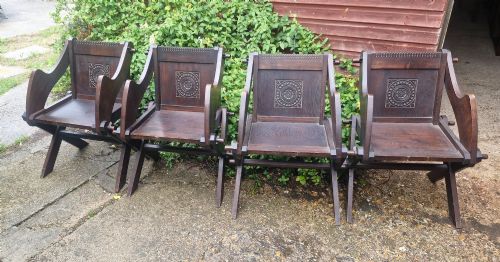
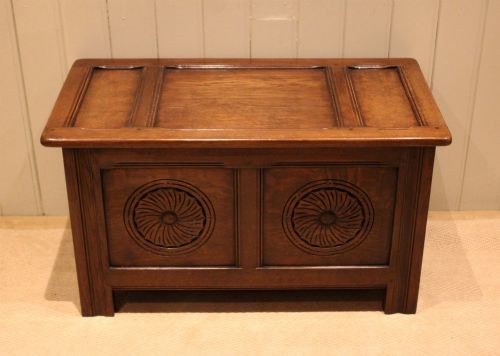
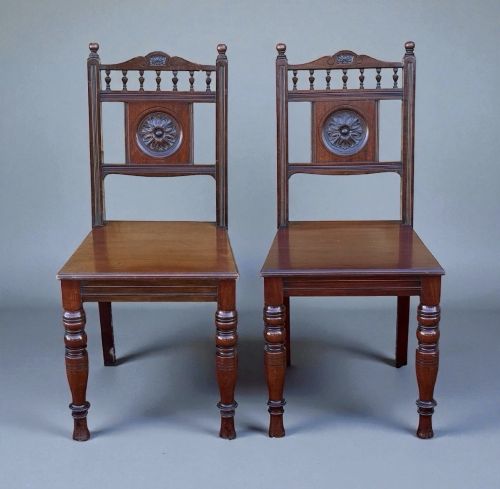
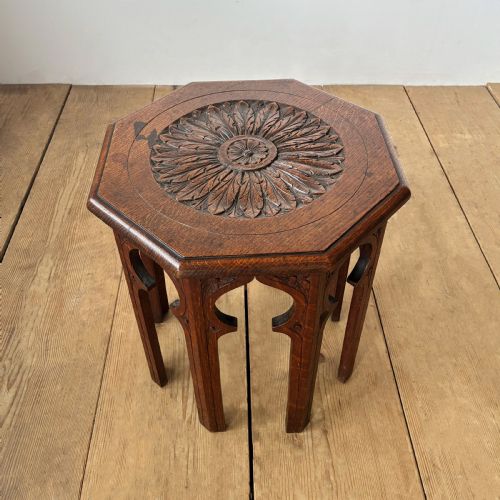
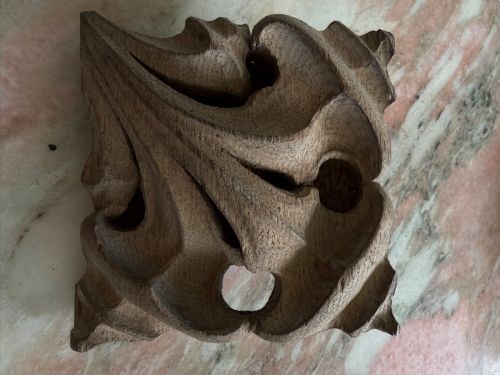
A carved wooden rosette appears most frequently on this page as a structural or decorative ceiling boss, panel, or architectural salvage element dating from the seventeenth through the nineteenth centuries. These circular ornaments were hand-carved to adorn timber ceilings, furniture mounts, and architectural joinery in period buildings.
The selection ranges from early oak ceiling roses and Tudor Gothic bosses to later nineteenth-century architectural elements and framed panels. Oak remains the predominant timber, reflecting the heavy reliance on native hardwoods for interior joinery across the eighteenth and nineteenth centuries.
How they were made
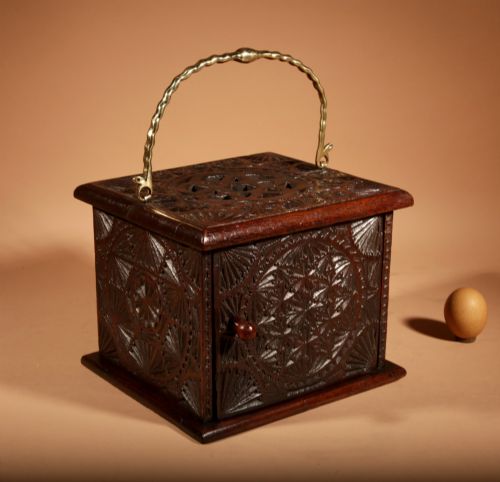
Craftsmen shaped these architectural elements using traditional hand tools such as gouges, chisels, and mallets on seasoned timber blocks. Oak, walnut, and mahogany pieces show evidence of direct hand carving, often utilising chip carving techniques to create sharp geometric or floral relief patterns.
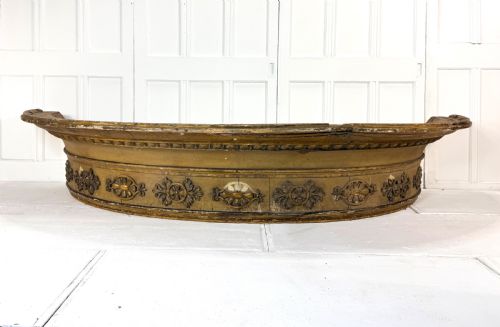
Surface treatments vary from untreated natural hardwood to applied gesso, paint, and historical finishes. Many architectural salvage pieces retain traces of their original decorative schemes, showing how makers integrated wood carving into broader interior decorative programmes.
Listings feature oak, walnut, and mahogany items spanning the seventeenth to the twentieth centuries, alongside painted and gessoed surfaces.
What varies in quality
Depth of relief and crispness of chisel work distinguish superior examples from simpler production. Master carvers achieved subtle undulations and clean undercuts that catch the light, whereas lesser pieces rely on shallow surface incisions and repetitive mechanical stamping.
The integrity of the timber and the preservation of original surface patination determine the desirability of each piece. Surviving architectural elements that retain their structural block and untouched historical finish command greater interest among collectors of period woodwork.
Maple and Co
The Carved Wooden Rosette Glossary
- Ceiling boss
- A projecting architectural ornament placed at the intersection of ribs in a ceiling or vault. These carved wooden blocks often take the form of floral rosettes or Tudor roses.
- Chip carving
- A primitive method of surface decoration where small chips are removed from a wooden base using a knife or chisel. This technique creates geometric patterns common on early boxes and provincial furniture.
- Architectural salvage
- Building components rescued from demolition or renovation for reuse in interior decoration. Items such as window pelmets, panels, and rosettes fall into this category.
- Gesso
- A plaster-like mixture applied to wood surfaces as a base for paint or gilding. It allows for crisp secondary ornamentation around wooden mouldings.
- Tudor rose
- The traditional floral heraldic badge of England, frequently adopted as a symmetrical motif in wood carvings. It appears often on seventeenth and eighteenth-century oak panels.
Carved Wooden Rosette: Frequently Asked Questions
Where were carved wooden rosettes placed?
These ornaments typically sat at the intersection of ceiling beams or decorated the corners of important wood-panelled rooms.
Builders also integrated them into furniture friezes, pelmets, and architectural surrounds to add classical symmetry.
How do I date a carved wooden rosette?
Dating relies on identifying the timber species, tool marks left by the carver, and the prevailing architectural style.
Earlier seventeenth and eighteenth-century examples display deep hand-chiselled oak relief, while later Victorian pieces often use softer mouldings or applied gesso details.
Can these architectural rosettes be mounted on walls?
Most ceiling bosses and panels adapt easily to modern wall display with appropriate concealed fixings attached to the rear timber.
Their substantial relief makes them effective focal points when mounted independently as decorative wall art.
What is the difference between chip carving and relief carving?
Chip carving removes small triangular chips directly from a flat wooden surface to form geometric patterns without raising the design.
Relief carving cuts away the background material to leave the floral rosette standing proud of the surrounding plane.