




Carved Oak Wall Motif
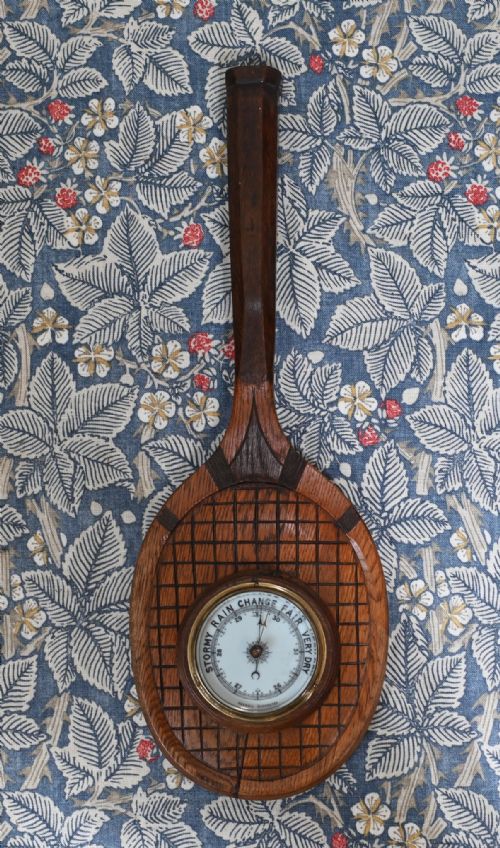
These carved oak wall motifs range from sixteenth century primitive panels to nineteen-thirties wall barometers, offering robust historical texture for your interior.
Carved Oak Wall Motif
When you search for carved oak wall motif, you are looking at timber architectural salvage, wall panels, and mirrors shaped by historical styles from the sixteenth to the twentieth century. These pieces encompass architectural fragments, ceiling bosses, pierced panels, and framed mirrors.
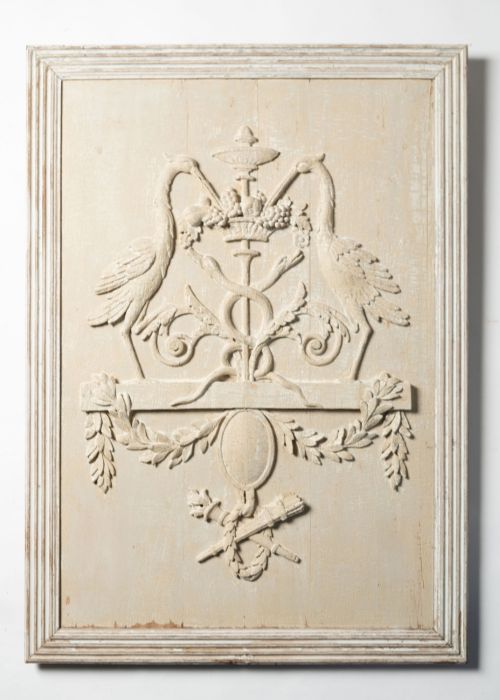
You are most likely to meet eighteenth century carved oak panels or nineteenth century revival pieces on this page. The selection spans Gothic Revival, Neoclassical, Arts and Crafts, and Carolean styles, alongside unexpected forms like carved dragon mirrors and snake panels.
The objects function as wall art, architectural salvage, and functional items such as wall-mounted cupboards, barometers, and clocks. They bring substantial wooden texture and historic craftsmanship directly onto a wall space.
How they were made
Makers shaped these items primarily from solid oak and timber, frequently employing hand carving techniques to achieve deep relief foliage, serpent motifs, and parchemin patterns. Some pieces integrate painted wood, pigment, brass, and glass elements.
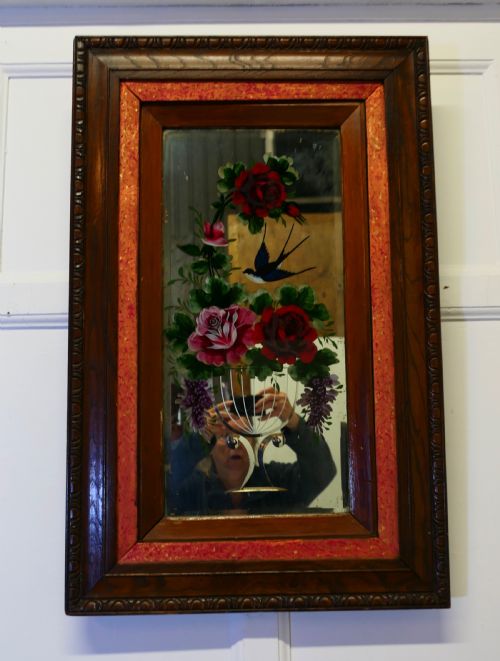
Surfaces demonstrate traditional woodworking methods alongside specialised decorative treatments like pokerwork on Arts and Crafts cupboards, and reverse painting and etching on mirror glass. Construction ranges from primitive sixteenth century joinery to sophisticated nineteenth and twentieth century framing.
Materials recorded across the inventory include oak, timber, glass, brass, pigment, and painted wood.
What varies in quality
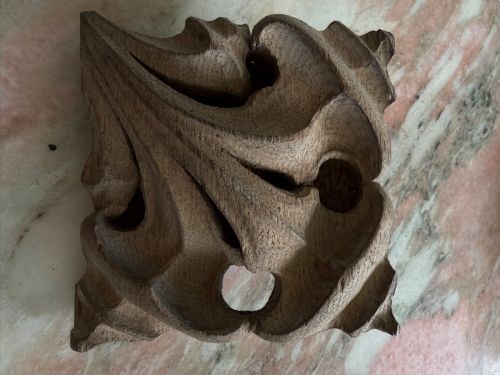
The standard of carving distinguishes the pieces, ranging from primitive, rustic execution on early sixteenth century panels to precise, confident relief work on eighteenth century ceiling roses and boss leaves. Depth of cut, crispness of detail, and the natural grain of the oak dictate visual impact.
The integrity of the original timber and the harmony between the wooden frame and secondary materials like brass, glass, or pigment define the overall merit. Pieces that retain their authentic surface finish and structural coherence stand apart from heavily altered examples.
L Blondie
The Carved Oak Wall Motif Glossary
- Parchemin panel
- A wooden panel carved in low relief to resemble folded parchment or linen, popular in medieval and later revival interiors.
- Ceiling boss
- A decorative projecting block of carved wood placed at the intersection of ceiling ribs, often featuring leaf or botanical motifs.
- Pokerwork
- A decorative technique using heated metal tools to scorch designs into wood surfaces, seen in Arts and Crafts pieces.
- Carolean style
- A revival of late seventeenth century English decoration characterised by rich carving, scrolls, and oval formats.
- Caduceus
- A traditional staff entwined by serpents, utilised here as the shape for wall clocks and barometers.
Carved Oak Wall Motif: Frequently Asked Questions
What is a carved oak wall motif?
A carved oak wall motif is a wooden architectural fragment, panel, mirror, or functional wall hanging featuring historic carving styles. These items originate from periods spanning the sixteenth to the twentieth century.
They serve as decorative wall art and architectural salvage, bringing centuries-old woodworking traditions into contemporary interiors.
How do I hang a heavy oak panel?
Heavy carved oak panels and architectural salvage require secure wall fixings suited to the weight of dense timber. Assess the back of the piece to determine if it needs robust brackets or a dedicated hanging batten.
Consult a professional installer if the wall construction is plasterboard or lath and plaster to ensure adequate support.
How do I date a carved oak panel?
Dating relies on the style of the carving, the tooling marks visible in the timber, and the construction methods used. Sixteenth and eighteenth century pieces display different relief depths and joinery compared to later revival items.
Comparing the motifs to known historical periods, such as Gothic Revival or Carolean styles, helps narrow down the era of manufacture.
Can I put an oak wall panel in a bathroom?
Solid oak reacts to fluctuating humidity levels, which can cause historical timber to warp or crack. Bathrooms present high moisture challenges that may damage vulnerable antique wood and sensitive mirror surfaces.
Keep these pieces in dry living spaces, hallways, or bedrooms where the atmospheric conditions remain stable.