




Georgian Carved Finials
Georgian carved finials are architectural elements and decorative ornaments that finish furniture or structures, adding traditional detail to interiors.
Georgian Carved Finials
When you search for georgian carved finials, you encounter objects spanning periods from the eighteenth century to the nineteenth century and styles such as Gothic and neoclassical. The inventory includes architectural salvage alongside wooden and stone carvings.
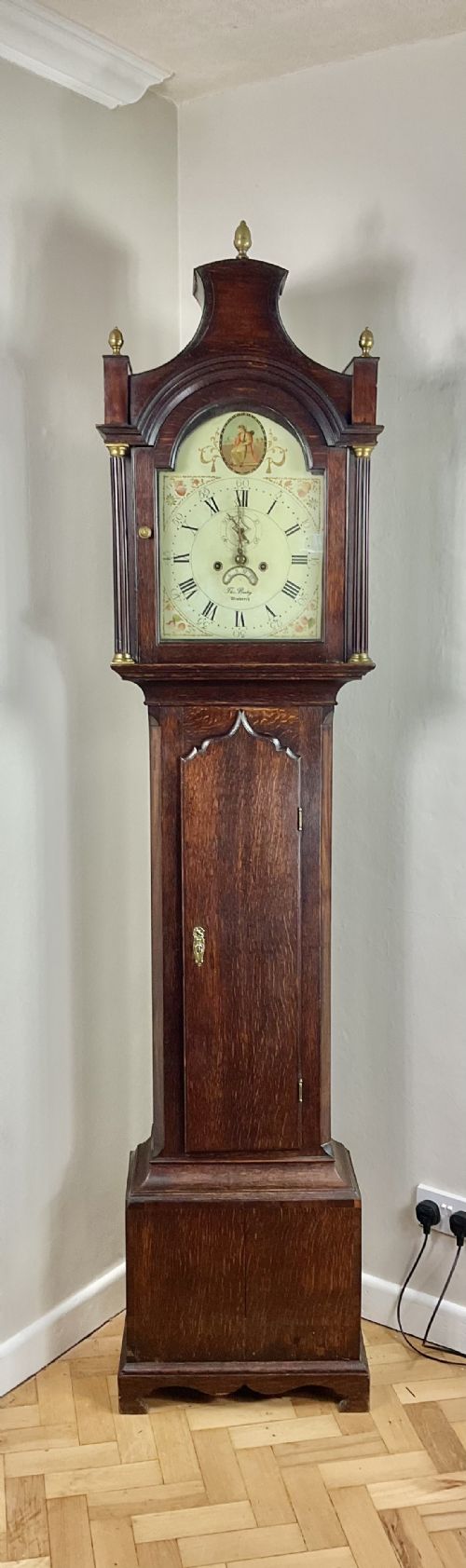
Most examples originate from the eighteenth century and nineteenth century, appearing on items like longcase clocks, architectural elements, and garden ornaments. Oak and mahogany provide the primary wooden forms, while stone and gilt elements appear across different listings.
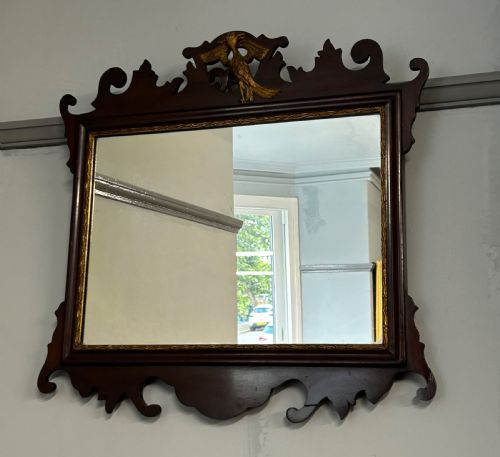
Makers and makers' styles range from Chippendale Rococo to Swedish Gustavian, reflecting diverse regional workshops. Pieces such as oak Gothic poppy heads and carved stone baskets demonstrate the variety of forms collected under this heading.
How they were made
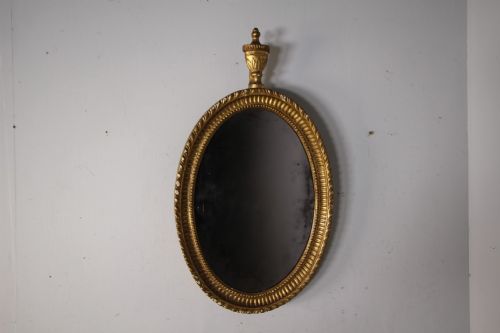
Makers utilised solid timbers like oak and mahogany, carving the wood directly to create architectural components and decorative details. Giltwood and gesso finishes were applied to mirrors and decorative carvings using gold leaf over prepared surfaces.
Stone carving techniques shaped durable garden ornaments and architectural salvage from natural materials. Joinery and hand-carving methods defined the construction of clock cases and furniture finials during the Georgian and Victorian periods.
Object types span practical household items and architectural elements, including bracket clocks, barometers, tea caddies, and garden ornaments.
What varies in quality
The crispness of the hand-carved detail distinguishes finer examples from simpler production, particularly in foliage and architectural moulding. Depth and precision in the timber or stone carving reflect the skill of the maker.
Original surface treatments, such as genuine gold leaf over gesso or untouched patination on oak and mahogany, separate pieces retaining early finishes from those with later alterations.
The Georgian Carved Finials Glossary
- Finial
- A decorative ornament that terminates the top of a piece of furniture, clock case, or architectural structure. These elements are frequently carved from wood or stone.
- Giltwood
- Timber that has been coated with gold leaf or gold paint for decorative effect. This finish is common on eighteenth-century mirrors and decorative carvings.
- Gesso
- A plaster-like mixture applied to wood as a base for gilding or painting. It provides a smooth surface for intricate carved details.
- Fusee clock
- A clock driven by a spring connected to a cone-shaped pulley, ensuring even tension as the spring winds down. This mechanism appears in nineteenth-century bracket clocks.
- Poppy head
- An ornamental finial carved on the top of bench ends in Gothic architecture and furniture. Examples are typically executed in solid oak.
Georgian Carved Finials: Frequently Asked Questions
What are georgian carved finials?
These pieces are decorative wooden or stone ornaments designed to cap furniture, clocks, and architectural woodwork.
They appear in styles ranging from Gothic to neoclassical, reflecting the design periods in which they were produced.
How were finials used?
Finials were mounted on the apex of longcase clocks, mirror frames, and architectural joinery to complete the design.
They served as terminal points that drew the eye upward and balanced the proportions of larger objects.
What materials are common?
Oak and mahogany form the basis of most wooden finials and carved architectural elements.
Stone and giltwood also appear among eighteenth-century and nineteenth-century examples in the collection.
How do styles differ?
Styles encompass eighteenth-century Gothic work, Chippendale Rococo carving, and nineteenth-century interpretations.
Each period brings distinct proportions and ornamentation to the carved wooden or stone forms.