







Gothic Architectural Ornaments
Gothic architectural ornaments bring ancient weight and ecclesiastical drama into modern rooms, offering genuine remnants of historic masonry and woodwork.
Gothic Architectural Ornaments
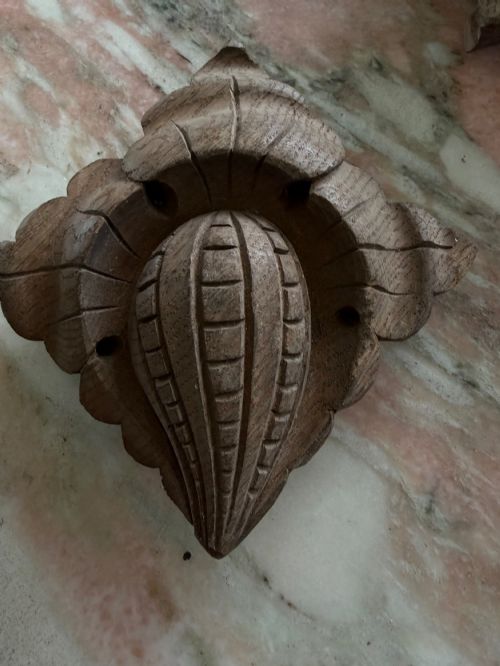
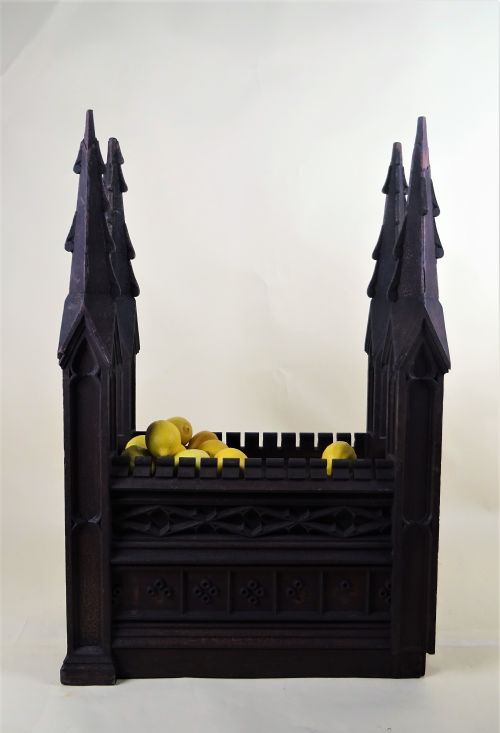
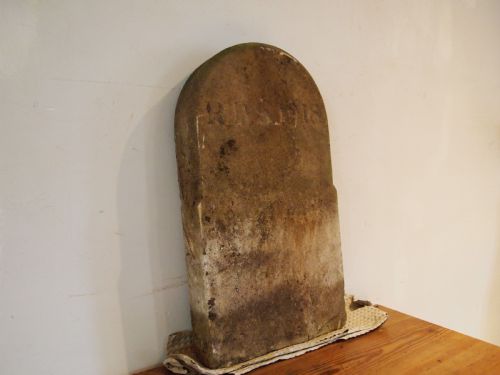
When you search for gothic architectural ornaments, you encounter a diverse selection of salvaged ecclesiastical elements, decorative masonry, and timber carvings spanning multiple centuries. These pieces range from substantial limestone pinnacles and sandstone fragments to delicate oak ceiling bosses and Tudor rose panels.
The selection on this page relies heavily on early woodwork and heavy stone salvage, with pre-sixteenth century fragments sitting alongside eighteenth-century interpretations and nineteenth-century Gothic Revival work. Buyers frequently encounter carved architectural fragments, sculptural busts, and finials that once formed part of grand religious or secular buildings.
Materials and construction
The pieces on this page are fashioned from durable traditional media such as oak, sandstone, limestone, and York stone, reflecting the heavy-duty requirements of historic architecture. Artisans carved these woods and stones by hand, utilising dense timbers and robust quarried rocks to withstand centuries of exposure and structural weight.
Alternative materials also appear in the record, including moulded leathermaché used for lighter decorative interior elements like putti. Whether working in iron, stone, or timber, makers relied on manual cutting, chisel work, and relief carving to achieve intricate tracery and foliate detail.
Listings feature oak, sandstone, limestone, York stone, and leathermaché across periods from pre-sixteenth century to the twentieth century.
Evaluating craftsmanship and integrity
Quality in these ornaments rests upon the crispness of the chisel work and the depth of the relief carving, which separates routine architectural salvage from exceptional sculptural art. Pieces that retain their original sharp edges and clear architectural proportions command greater attention.
The historical provenance and the integrity of the material also dictate standard distinctions, as untouched medieval stone holds a different visual authority compared to later revival items. The precision of geometric tracery and the organic flow of carved foliage reveal the artisan's direct understanding of Gothic proportions.
The Gothic Architectural Ornaments Glossary
- Ceiling boss
- A decorative projecting block of wood or stone placed at the intersection of ribs in a vaulted ceiling. These often feature carved roses or figurative motifs.
- Architectural fragment
- A surviving portion of a larger ruined or demolished building. These pieces retain their original historic context and decorative surface.
- Finial
- A distinct decorative ornament that forms the upper termination of a pinnacle, gable, or architectural feature. They frequently display stylized foliage or floral shapes.
- Tracery
- Openwork intersecting ribbing in the upper part of a window or panel, characteristic of Gothic design. It organises light and stone into geometric patterns.
- Pinnacle
- A relatively small architectural ornament that rises above the roofline or buttress of a building. They add vertical emphasis and weight to masonry structures.
Gothic Architectural Ornaments: Frequently Asked Questions
What are gothic architectural ornaments?
These pieces are physical remnants and decorative elements salvaged from historic buildings, churches, and cathedrals, spanning medieval times to the Gothic Revival.
They encompass everything from stone pinnacles and carved tracery fragments to timber ceiling bosses and decorative finials.
How were architectural fragments used originally?
In their original settings, these elements served both structural and symbolic purposes within ecclesiastical and grand secular architecture.
Stone pinnacles and fragments supported masonry weight, while carved oak panels and ceiling bosses decorated vaults and roof spaces.
How do I display heavy stone ornaments?
Heavy stone items require sturdy mounting surfaces, appropriate wall anchors, or dedicated floor stands depending on their mass and shape.
Consulting a professional installer ensures that sandstone fragments, limestone pinnacles, or headstones remain secure and balanced in an interior space.
How can I tell medieval stone from revival pieces?
Distinguishing periods relies on observing tool marks, the natural weathering of the stone, and the specific geometry of the carving style.
Medieval work often shows hand-chiseled irregularities and deep weathering, whereas nineteenth-century revival pieces may exhibit more uniform mechanical precision or stylistic revival traits.