


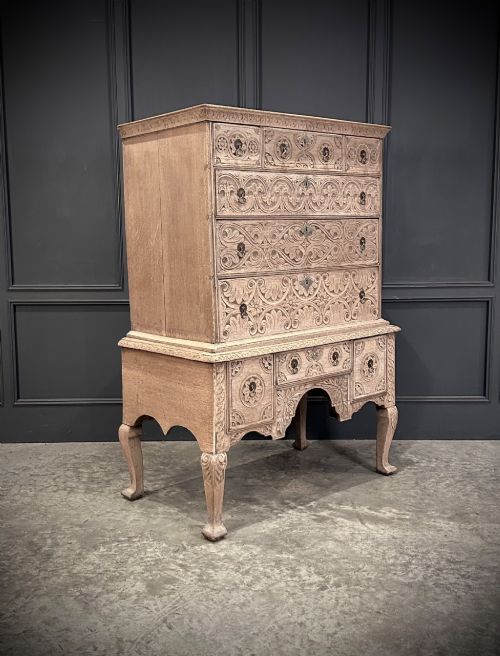
18th Century Oak Carving
18th century oak carving encompasses architectural panels, figures and furniture elements displaying the robust hand-chisel work characteristic of the period.
18th Century Oak Carving
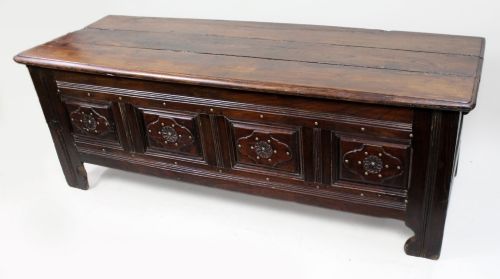
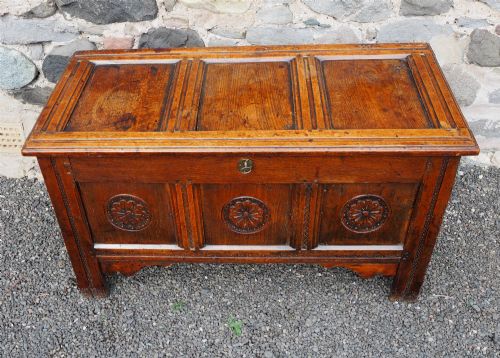
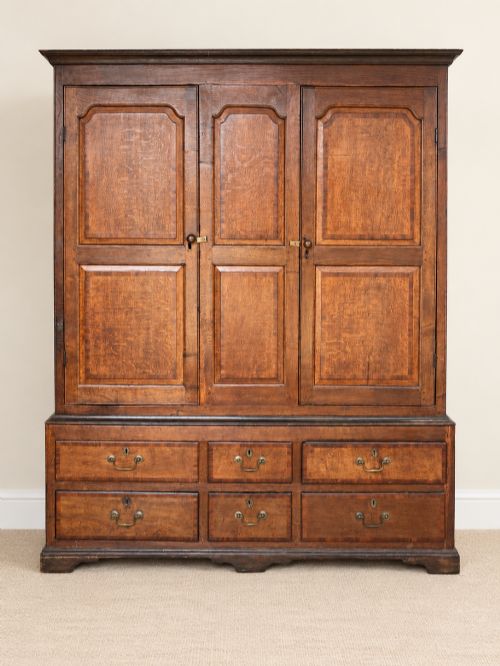
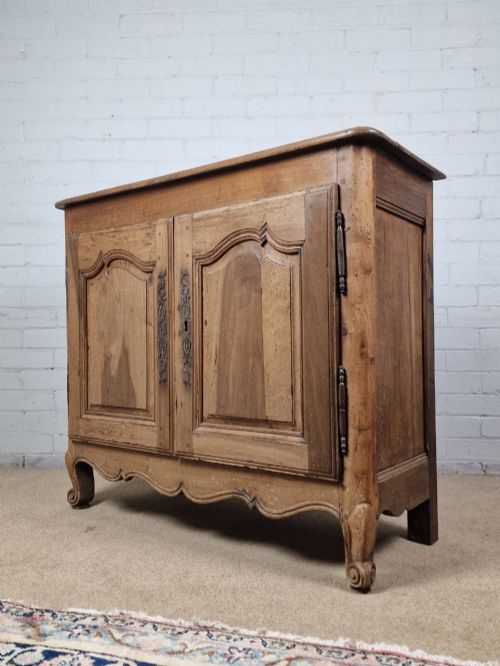
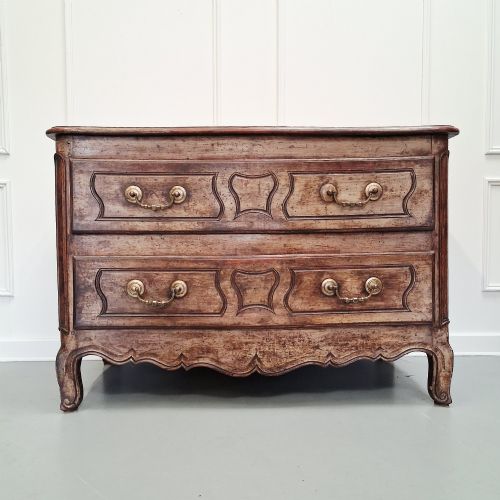
When you search for 18th century oak carving, you encounter both standalone architectural ornaments and the embellished surfaces of utilitarian furniture. The material ranges from domestic English and Welsh timber to continental European oak, shaped into figures, panels, and structural supports. Architectural fragments, lion heads, and mythical beasts represent the sculptural side of these pieces, while carved coffers and court cupboards demonstrate functional applications.
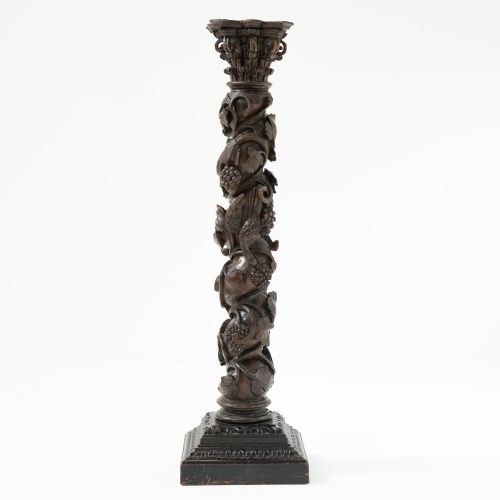
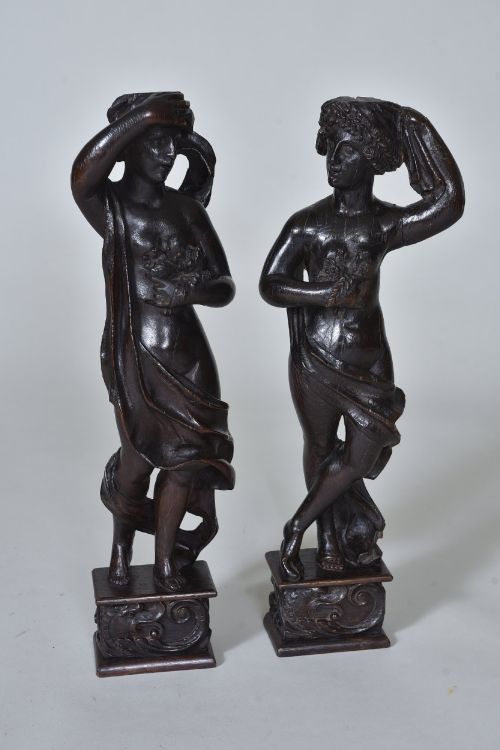
The most frequent examples on this page are relief panels and furniture mountings depicting mythical creatures, gargoyles, cherubs, and foliage. Figures such as St Luke the Evangelist and winged angels also appear, alongside structural items like finials and griffin furniture supports. These items originate predominantly from English, French, and Frisian workshops spanning the 1700s and Georgian eras.
Materials and construction
Makers utilised solid oak, often quarter-sawn to reveal characteristic medullary rays, combined occasionally with secondary timbers like walnut or burr oak for contrast. Tool marks left by hand chisels and gouges remain visible across the timber surfaces, demonstrating manual reduction rather than mechanical duplication. Iron and brass fixings, such as hinges and original handles, frequently accompany these wooden structures.
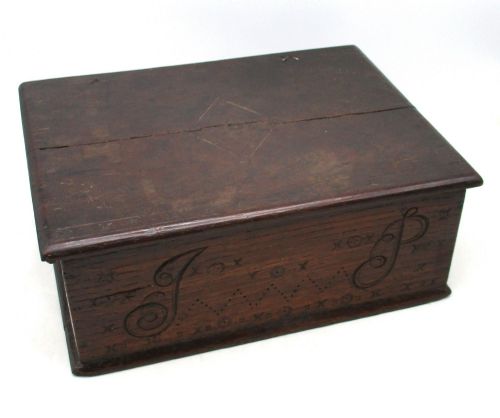
Surface treatments rely on historic applications of paint or the accumulation of natural wax polish over decades of handling. Carved details are executed in varying depths of relief, from crisp chip carving on small foot warmers to deep undercut figures on panels and furniture friezes. Joinery methods involve pegged mortise and tenon joints, uniting the carved elements with structural carcasses.
18th Century Oak Carving Retail Price Guide 2026
Typical asking prices for 18th century oak carving among the pieces listed under this phrase on Sellingantiques today, from the lower quarter to the upper quarter. They describe what is for sale here now, not the wider market.
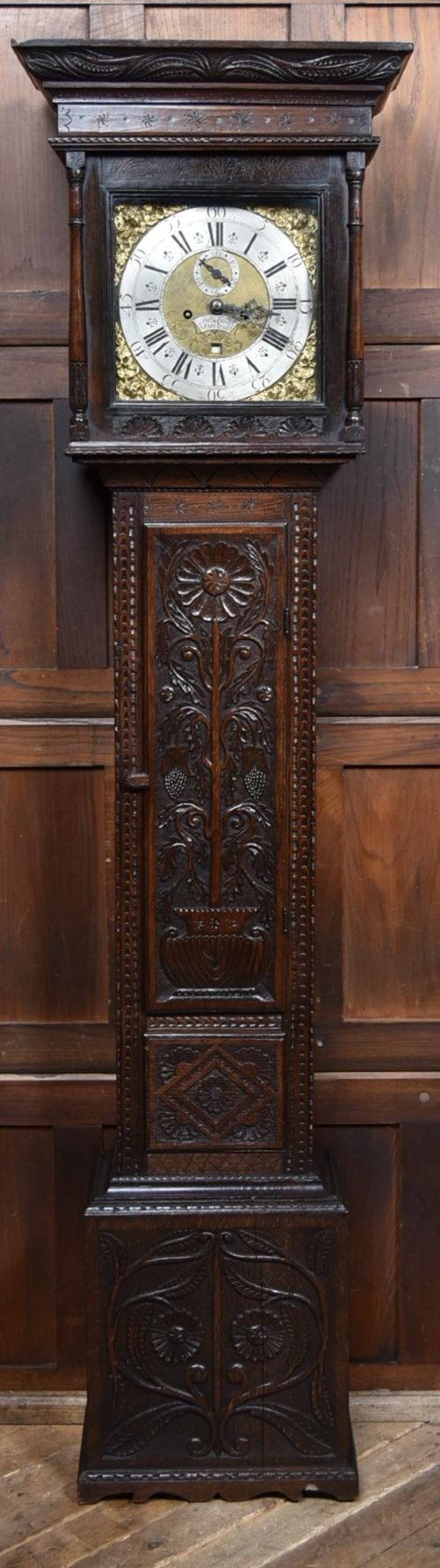
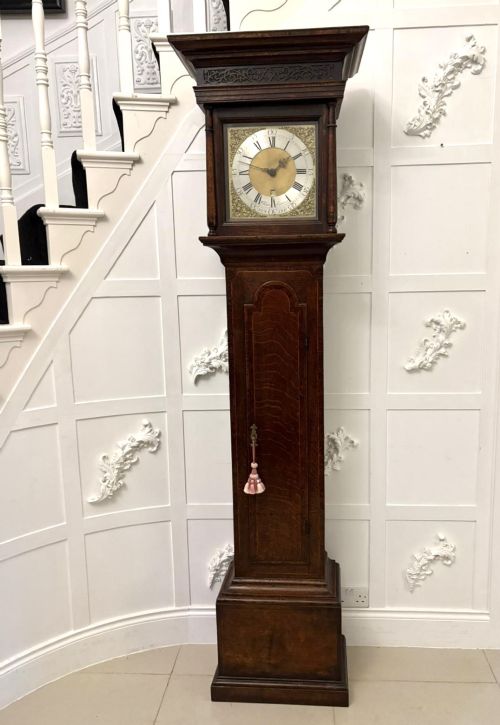
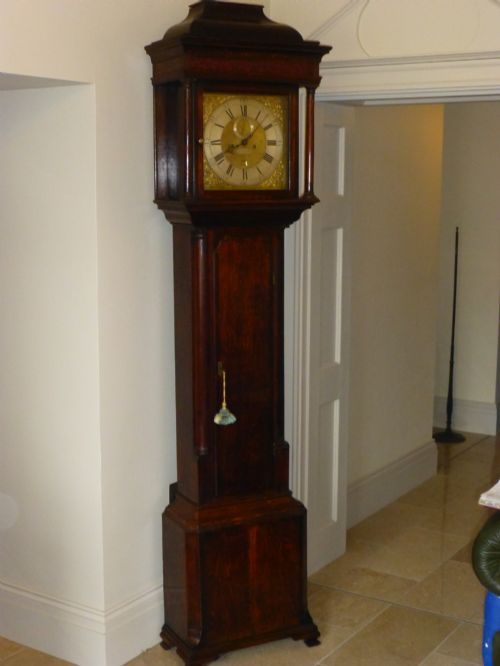
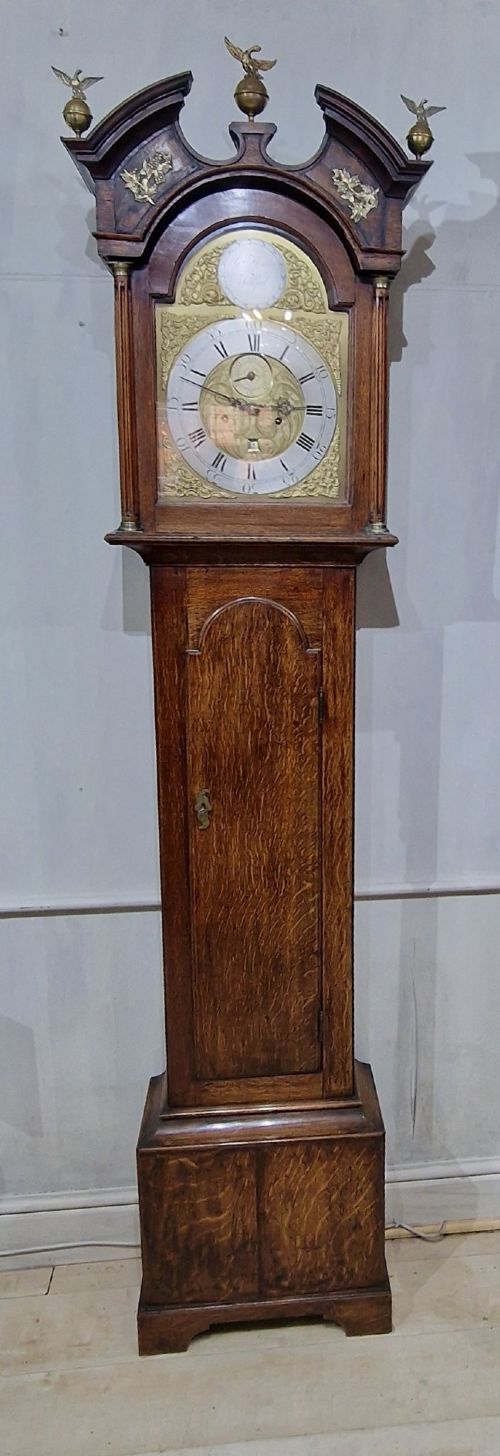
Listings include oak, burr oak, and walnut, complemented by brass and iron hardware across furniture forms like lowboys, coffers, and longcase clocks.
Assessing quality and execution
Integration between the carving and the host object also dictates the tier of quality. In better pieces, the ornamentation flows naturally from the architectural framing or furniture structure, showing unified design rather than applied decoration tacked onto a plain surface. The preservation of original surface patination, without excessive modern sanding or stripping, elevates the integrity of the piece.
Jn° Smith·Richard Corless·James Hendrie
The 18th Century Oak Carving Glossary
- Coffer
- A large wooden chest used for storage, frequently embellished with carved panels across the front facade.
- Court Cupboard
- A formal 18th century storage piece featuring tiered shelving and elaborate carved friezes or supports.
- Chip Carving
- A decorative technique where small chips are removed from a wooden surface in geometric patterns, seen on items like foot warmers.
- Finial
- An ornamental crowning feature, often carved in wood atop furniture posts or architectural corners.
- Wainscot
- A heavy wooden chair style from the period, characterised by panelled backs and substantial armrests.
18th Century Oak Carving: Frequently Asked Questions
How were 18th century oak carvings used?
These carvings served multiple functions, ranging from standalone architectural decorations mounted on walls to structural components of furniture like coffers, dressers, and longcase clocks. Many items functioned as protective or symbolic ornaments, including gargoyles, lions, and religious figures.
Others formed integral parts of domestic storage and seating, embellishing the facades of court cupboards and the backs of high-back settles.
How do I date an oak carving?
Dating relies on tool marks, style, timber shrinkage, and the nature of the joinery or backing boards. Hand-cut chisel marks and 18th century stylistic conventions, such as Georgian or Baroque motifs, provide key indicators.
Secondary evidence includes the presence of period iron nails, original brass hardware, and the natural oxidation of the oak over centuries.
Are these carvings always English?
Origin varies across the listings, encompassing English, Welsh, French, and Frisian workshops. Regional styles distinguish the pieces, such as French provincial motifs or Frisian chip-carving techniques on foot warmers.
Continental oak and native British timber both appear frequently within the inventory.
How do I care for antique oak?
Preservation requires stable indoor humidity levels and protection from direct sunlight or heat sources that can dry out the timber. Applying traditional beeswax periodically maintains the surface sheen without damaging the historic patina.
Avoid modern chemical polishes or excessive liquid cleaners which penetrate open oak pores and alter the finish.