



Carved Oak Architectural Element
A carved oak architectural element brings centuries of timber craftsmanship and historic structure directly into your interior scheme.
Carved Oak Architectural Element
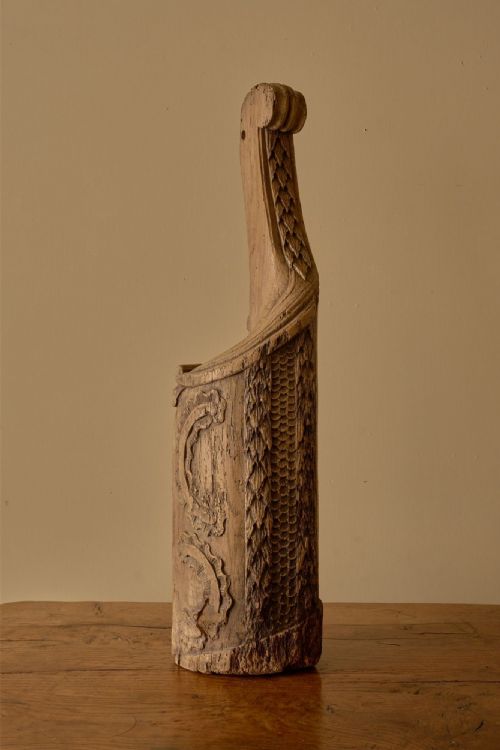
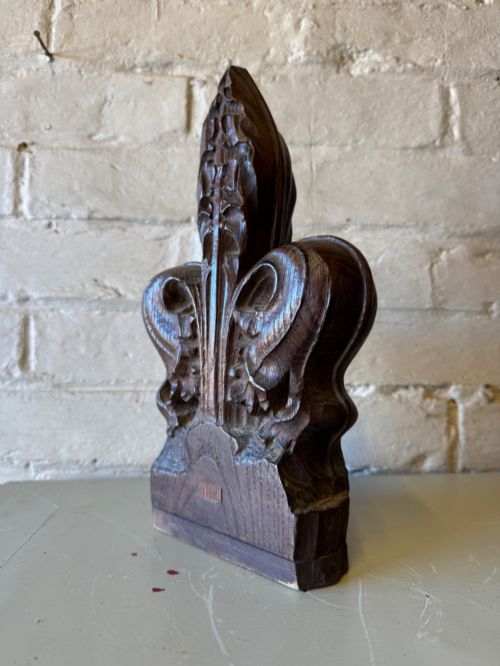
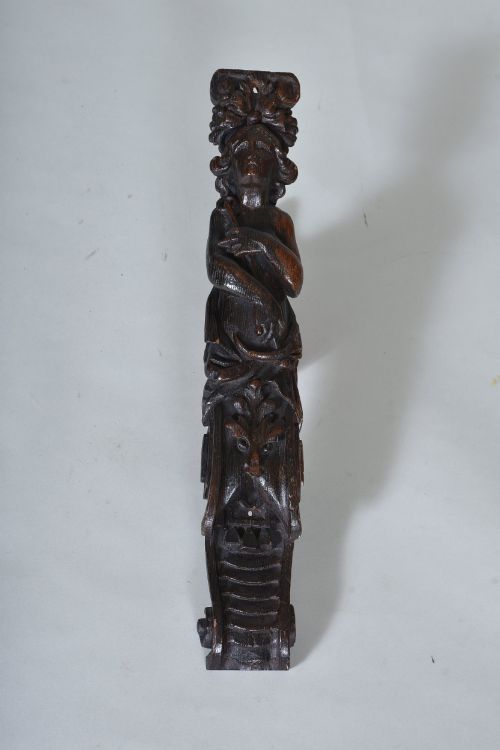
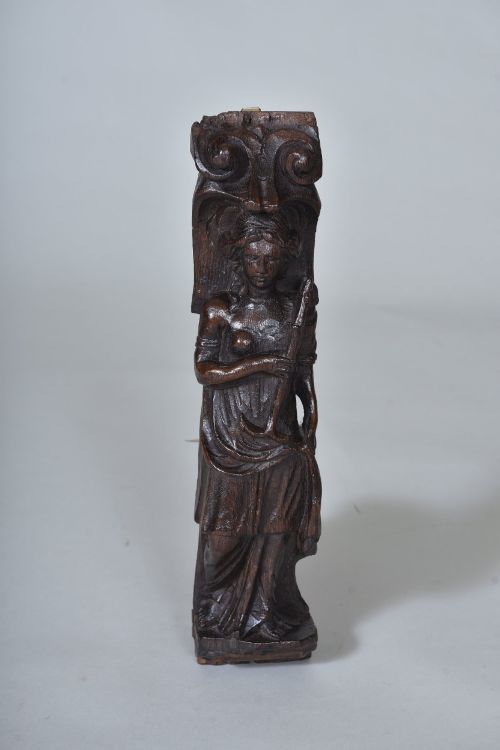
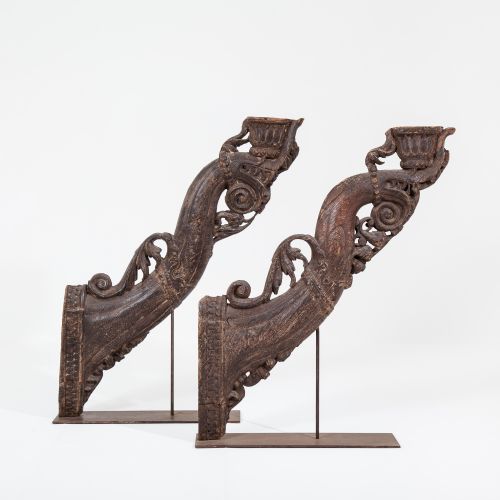
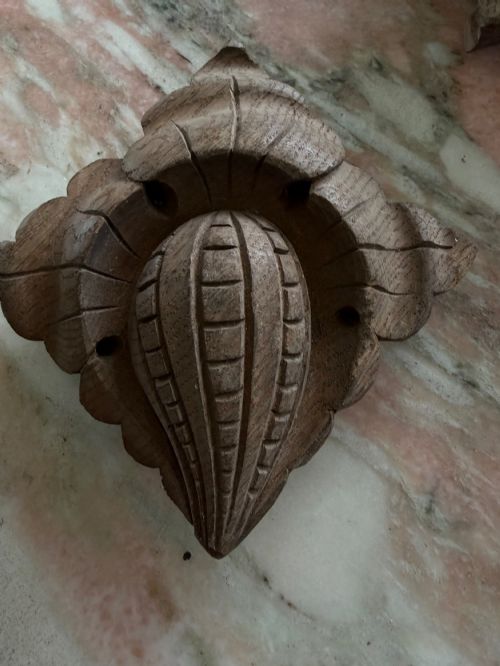
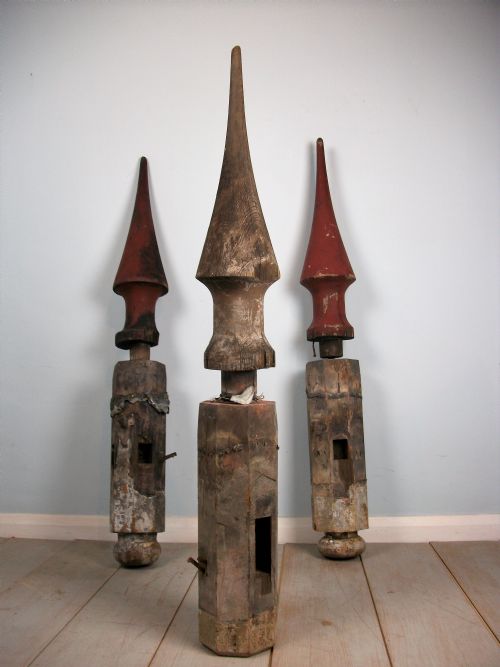
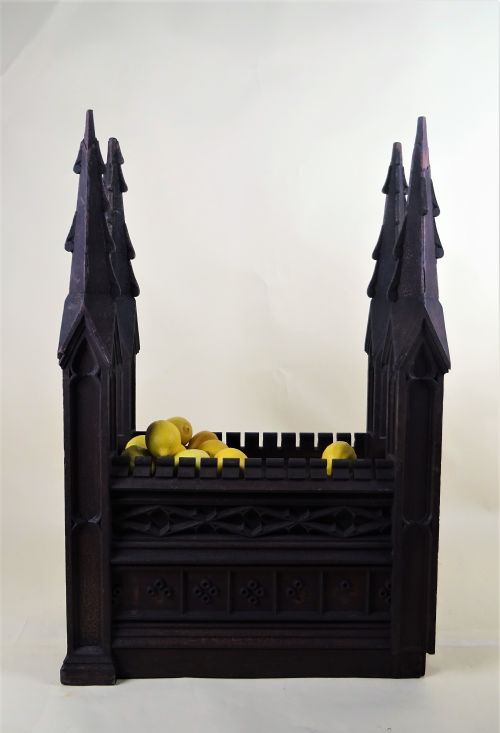
A carved oak architectural element is a salvaged fragment of historic woodwork, spanning the sixteenth, seventeenth, and eighteenth centuries alongside later gothic revival pieces. When you search for a carved oak architectural element, you encounter specialised forms such as ceiling boss panels, poppy heads, spire finials, caryatids, and structural brackets.
The most common examples on this page date from the seventeenth and eighteenth centuries, reflecting vernacular and continental woodworking traditions. These pieces originate from larger architectural settings, preserving the hand-carved textures of early timber construction.
Materials and construction
Every piece relies upon solid oak timber, frequently described as dark oak, shaped entirely by hand with traditional chisels and gouges before iron fixings were integrated for structural support.
The surface textures emerge directly from historic carving techniques, showing chisel marks and the natural grain patterns developed over centuries of ageing.
Every carved oak bracket has spent more time supporting old ceilings than it ever spent in a modern living room.
Assessing quality and character
Quality rests in the crispness and depth of the timber carving, distinguishing masterwork figural details like caryatids or poppy heads from simpler geometric mouldings.
The integrity of the surviving oak timber and the clarity of the period style, whether medieval, gothic, or jacobean, dictate the visual impact of the fragment.
The Carved Oak Architectural Element Glossary
- Ceilings boss
- A decorative projecting block placed at the intersection of ribs in a ceiling. These carved wooden panels frequently feature floral or rose motifs.
- Poppy head
- An ornamental finial used to cap the end of a bench or pew. They often display gothic leaf or architectural carvings.
- Caryatid
- A sculpted female figure serving as an architectural support taking the place of a column or pilaster. These carved wooden figures demonstrate high sculptural skill.
- Spire finial
- A decorative upper termination of a spire or gable. These elements provide a pointed termination to architectural woodwork.
Carved Oak Architectural Element: Frequently Asked Questions
How were architectural elements used?
These fragments originally formed structural or decorative components of larger buildings, churches, and chateaux, functioning as ceiling bosses, support brackets, or bench ends.
Today, collectors repurpose them as wall-mounted focal points or display them on dedicated stands to appreciate their historic craftsmanship.
How do I date these carvings?
Dating relies upon stylistic markers such as gothic tracery, jacobean strapwork, or the specific sculptural form of figures and floral motifs.
Comparing the tool marks, timber density, and patination of the oak provides further confirmation of whether a piece originates from the sixteenth, seventeenth, or eighteenth century.
Can these elements be mounted on walls?
Most fragments can be adapted for wall display using secure, hidden backing brackets designed to bear the weight of solid oak.
Consulting a professional framer or conservator ensures the timber remains undamaged during the mounting process.
What styles are available?
The selection encompasses medieval, sixteenth-century flemish, seventeenth-century jacobean, eighteenth-century continental, and nineteenth-century gothic revival designs.
Each style employs distinct carving depths and decorative vocabularies tied to its specific period of origin.