


Carved Oak Rosette
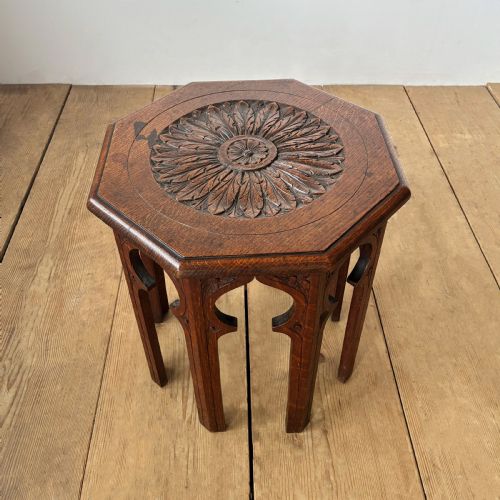
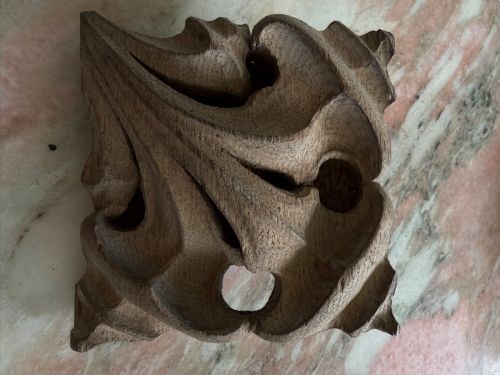
These carved oak rosette pieces are architectural ornaments and fitted elements built from solid timber across several centuries.
Carved Oak Rosette
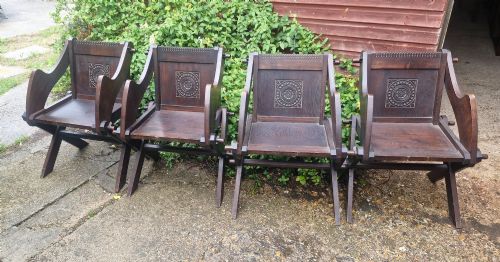
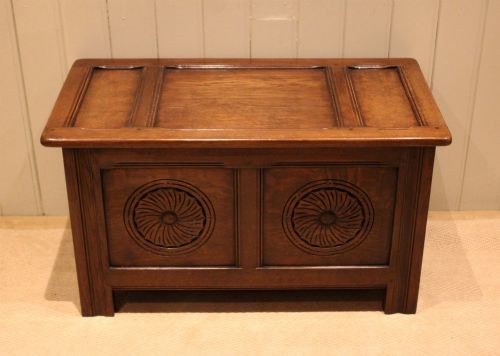
When you search for carved oak rosette, you encounter a selection of architectural elements, panels, and furniture pieces adorned with circular floral motifs. The selection spans from seventeenth century coffers and eighteenth century ceiling bosses to nineteenth century revival seating and architectural salvage.
Most examples originate from British and European workshops, utilising heavy timbers shaped by hand or early machine tools. Forms range from structural ceiling panels and bosses to decorative elements integrated into larger furniture items like armchairs, sideboards, and chests.
What varies in quality
The crispness and depth of the chisel work distinguish superior examples from simpler production pieces, with finer items showing precise undercutting and detailed petal formations. The selection of the oak timber itself matters, as quarter-sawn boards with prominent medullary rays indicate higher craftsmanship.
Integration into the host piece defines the success of the carving, whether it forms an original structural ceiling boss or a later applied decorative detail on a revival armchair. Age and original context also influence the standing of an item, particularly when architectural salvage retains its initial mounting traces.
Maple and Co
The Carved Oak Rosette Glossary
- Ceiling Boss
- A projecting block of timber, often carved with foliage or rosettes, placed at the intersection of ceiling ribs. These structural elements ornamented medieval and later vaulted or timber ceilings.
- Chip Carving
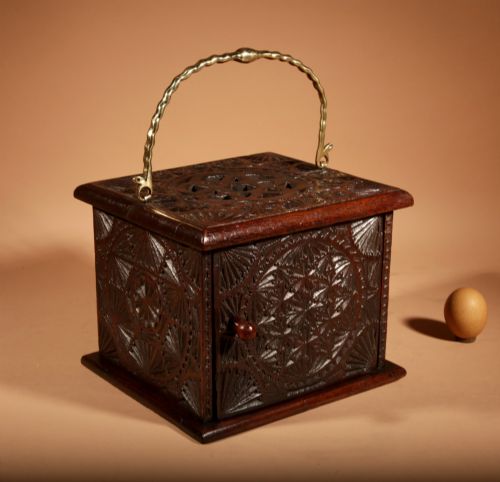
- A method of removing small triangles of wood from a flat surface to create geometric and floral designs. This technique appears frequently on early boxes and folk items.
- Coffer
- A large wooden chest used for storage, typically constructed with frame and panel techniques. Many early examples feature carved panels incorporating rosettes and floral motifs.
- Gothic Revival
- An architectural and decorative style drawing inspiration from medieval design. Pieces from this movement often incorporate deep oak carvings, tracery, and Tudor roses.
- Quarter-Sawn
- A method of milling logs radially to produce timber with straight grain lines and prominent decorative flecks. This cut provides superior stability and appearance in oak furniture.
Carved Oak Rosette: Frequently Asked Questions
What is a carved oak rosette?
A carved oak rosette is a circular floral ornament worked directly into timber panels, architectural bosses, or furniture surfaces. These motifs serve as decorative focal points across various centuries of woodworking.
Examples range from seventeenth century structural bosses to nineteenth century revival furniture panels. The design typically mimics a stylized rose or open flower.
How old are these wooden rosettes?
The pieces span multiple periods from the seventeenth century through to the early twentieth century. Architectural salvage items like ceiling bosses often date to the seventeen-hundreds or earlier.
Revival furniture and decorative panels frequently date from the nineteenth century. Each piece carries stylistic markers specific to its era of production.
Where were these architectural pieces placed?
Ceiling bosses and panels were integrated into timber frame buildings as structural or decorative junction covers. They ornamented the intersections of beams and vaulted ceilings in important rooms.
Smaller rosette carvings appeared on furniture fronts, coffer panels, and framing elements. Their placement emphasised the status and craftsmanship of the interior.
What is the difference between revival styles?
Gothic Revival pieces emphasise medieval architectural forms, heavy proportions, and ecclesiastical motifs like Tudor roses. Jacobean Revival items feature darker finishes, geometric mouldings, and formal turned elements.
Recognising these distinctions helps date furniture made in the nineteenth century that mimics earlier eras. Each revival movement reinterpreted historical oak carving techniques differently.