




Carved Wood Medallion
These carved wood medallion pieces bring classical portraiture and architectural detail into interiors, prized by collectors for their sculptural depth.
Carved Wood Medallion
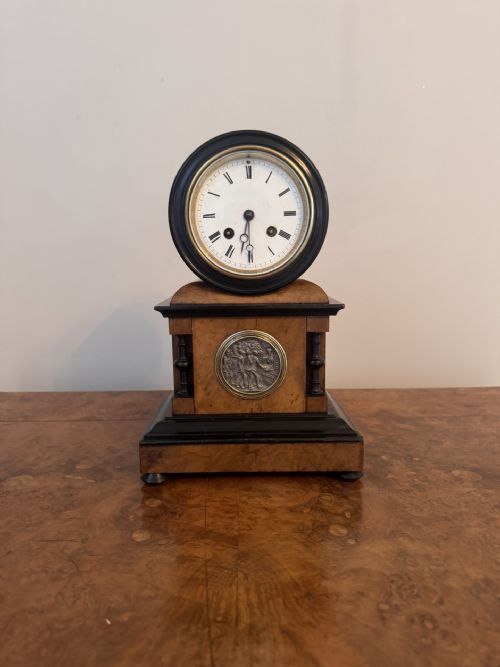
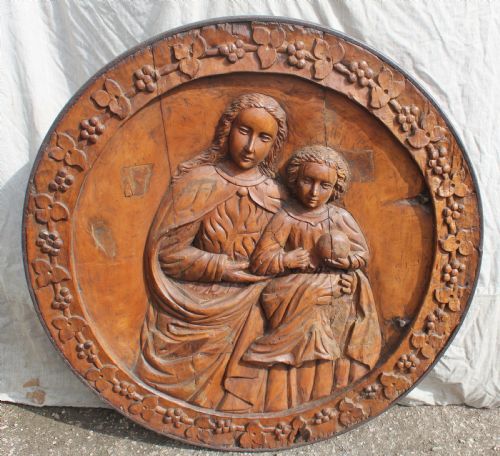
When you search for carved wood medallion, you find architectural elements, wall plaques, and seating frames featuring circular or oval carved reliefs. The pieces on this page span the seventeenth, eighteenth, and nineteenth centuries, including Victorian, Louis XVI style, and Gothic revival examples.
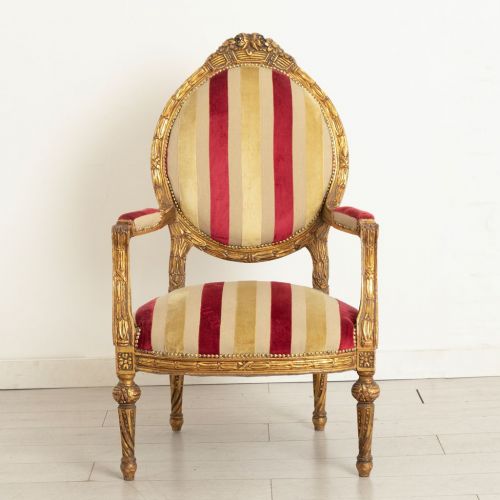
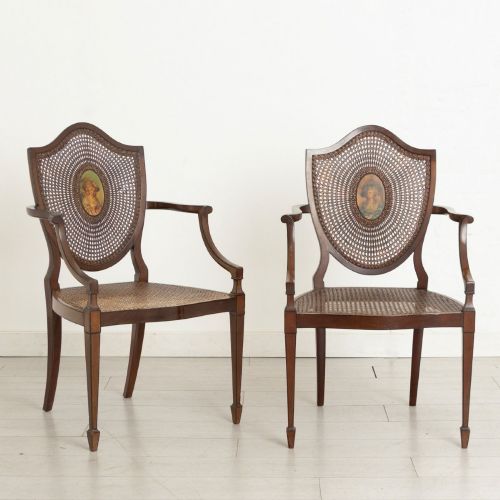
You meet portrait plaques depicting historical figures alongside architectural ceiling bosses and the carved backrests of French style armchairs. The selection ranges from English oak to Italian mahogany and French giltwood wall decorations.
How they were made
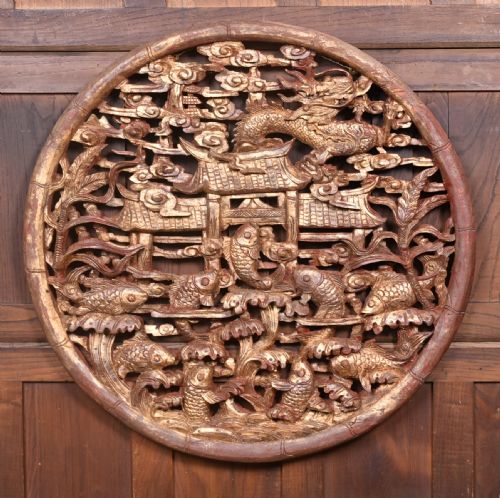
Carvers shaped these items from solid hardwoods like oak, mahogany, and walnut using gouges and chisels to achieve high relief. Workshops frequently applied gesso over the timber before gilding surfaces with gold leaf or painting the background to create contrast.
Many items incorporate turned or applied mouldings to frame the central carved motif, whilst cabinet furniture integrates medallions directly into the structural woodwork of the frame.
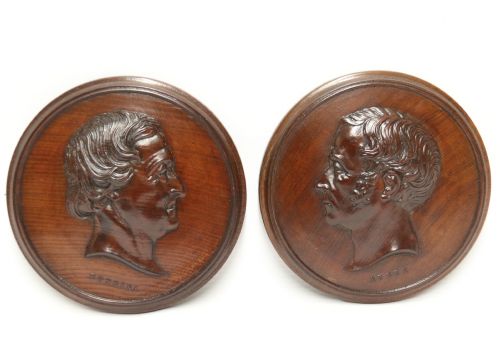
Alexander Pope stares out from an eighteenth-century wood portrait medallion, proving that poets make surprisingly stern wall company.
What varies in quality
Design cohesion also separates standard production from superior items, particularly where the proportions of the carved medallion balance harmoniously with the surrounding plaque or chair frame.
The Carved Wood Medallion Glossary
- Medallion
- A circular or oval ornamental panel featuring a carved or painted portrait, crest, or decorative motif. These elements often form the focal point of wall plaques and chair backs.
- Giltwood
- Timber that has been coated with a thin layer of gold leaf over a prepared gesso ground. This finish appears frequently on Louis XVI style frames and mirrors.
- Ceiling Boss
- A projecting block of carved wood placed at the intersection of ceiling ribs or beams. Examples often display traditional Tudor rose motifs.
- Fauteuil
- An open-framed armchair with upholstered back and seat, typically featuring exposed carved wooden arms. Many nineteenth-century examples incorporate medallion backs.
- Burr Walnut
- Timber taken from the wart or burl growth of a walnut tree, yielding intricate, swirling grain patterns. Cabinetmakers utilised this material for wardrobe doors and decorative panels.
Carved Wood Medallion: Frequently Asked Questions
How do I hang a heavy wooden plaque?
Heavy wall plaques require sturdy fixings screwed directly into wall studs or secured with appropriate masonry anchors. Ensure the weight is distributed evenly across metal brackets or integrated hanging loops on the reverse.
Position the plaque at eye level to appreciate the depth of the carving and the details of the portrait or floral motifs.
Are these French style chairs comfortable?
Nineteenth-century open armchairs and fauteuils provide structured seating with supportive upholstered backs and padded armrests. Their primary design purpose combined formal parlor aesthetics with practical utility.
Placement in a sitting room or hallway allows them to function as occasional seating while displaying their carved woodwork.
How do I clean carved wooden surfaces?
Dust the carvings gently with a soft-bristled brush to reach into the recesses of the relief without damaging the timber or gilding. Avoid liquid cleaners and modern polishes that can build up a residue and dull the aged patina.
Maintain a stable indoor humidity level to prevent the wood from drying out and splitting over time.
How do I identify Louis XVI style pieces?
Louis XVI style items display neoclassical characteristics such as straight tapered legs, symmetry, and classical motifs like ribbons, urns, and circular medallions. Nineteenth-century revivals adapted these eighteenth-century French design elements for Victorian and Edwardian interiors.
Examine the construction joints and timber ageing beneath the paint or gilding to understand the true age of the piece.