




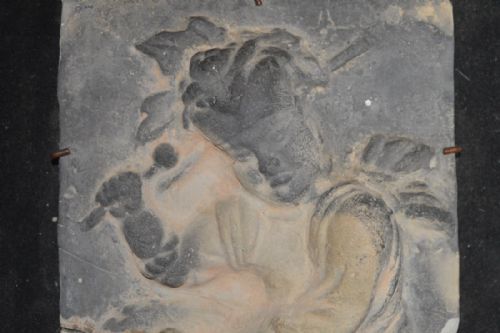
Chinese Wall Plaque
These Chinese wall plaque pieces bring centuries of intricate carving and inlay work directly to your walls, offering authentic historical depth for any interior.
Chinese Wall Plaque
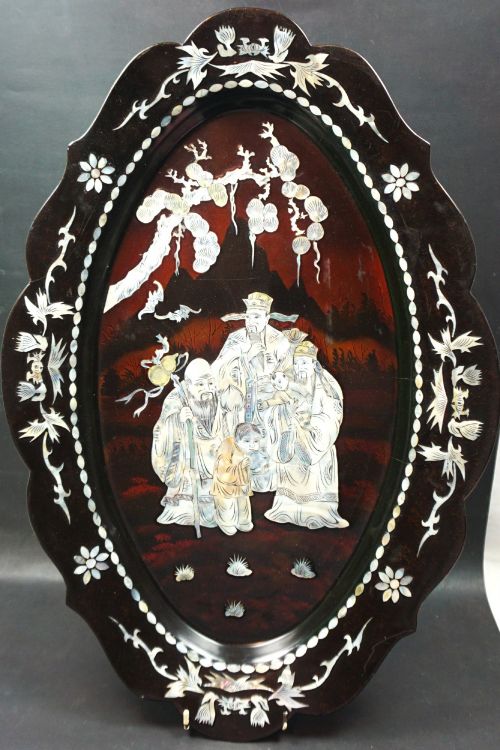
A Chinese wall plaque encompasses a diverse array of carved wooden panels, framed porcelain scenes, and inlaid lacquer works originating from the eighteenth, nineteenth, and early twentieth centuries. You are most likely to encounter nineteenth century carved wooden plaques and framed panels featuring mother of pearl or abalone inlay depicting traditional motifs.
The selection ranges from ritual temple panels and memorial tiles to decorative platters and painted porcelain panels from the Republican period. These works frequently draw upon Qing dynasty styles and traditional Chinese subjects such as birds in branches, aquatic scenes, and imperial portraits.
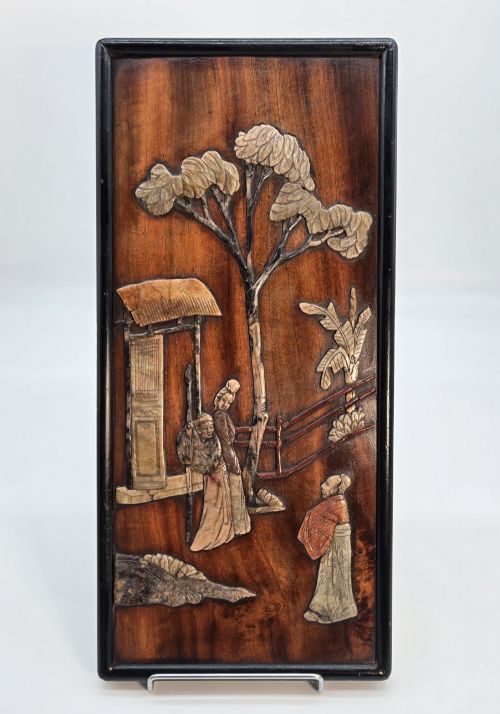
Formats vary from single substantial wooden wall art pieces and framed stone pictures to matched pairs designed for balanced interior display. Each piece reflects distinct periods of craftsmanship, spanning from mid eighteenth century carvings to early twentieth century lacquer productions.
How They Were Made
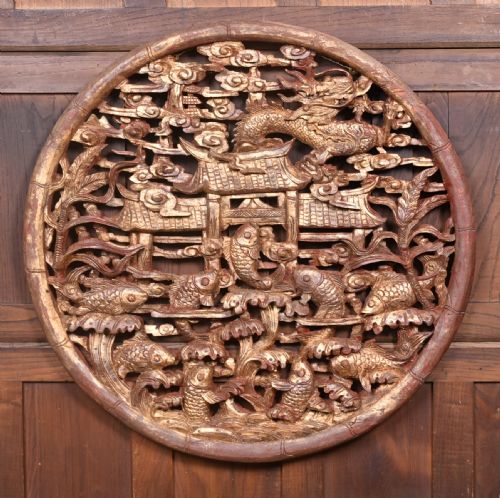
Makers utilised woods such as hardwood and softwood as the primary base for deep relief carvings, temple panels, and architectural elements. These wooden structures were frequently enhanced with gold leaf, lacquer, and detailed inlay work.
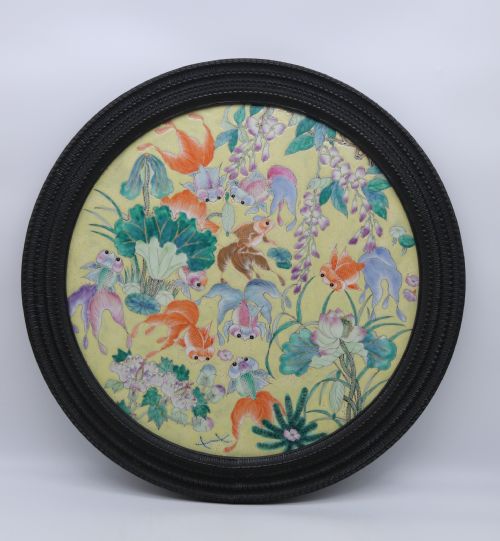
Inlay techniques heavily relied on mother of pearl and abalone to create shimmering natural details against dark lacquered surfaces, depicting foliage and birds. Porcelain plaques introduced hand painted pigments for aquatic scenes and imperial figural compositions.
Framing often involved specialised stonework, gilt wood, or custom hardwood surrounds designed to support and protect the central panel. Bronze hardware and cloisonne enamel work also appear within the broader spectrum of wall display objects.
Materials recorded across the selection include lacquered wood, mother of pearl, gold leaf, bronze, and hand painted porcelain.
What Varies in Quality
The depth and precision of the hand carving separate standard decorative items from exceptional works, with finer pieces displaying sharper undercuts and more articulate figural rendering. The complexity of the composition, particularly in multi figure scenes or detailed floral foliage, indicates the artisan's skill level.
Material selection dictates the upper tier of the range, where intact mother of pearl and abalone inlay, dense hardwoods, and well preserved gold leaf demonstrate superior original execution. The stability of the wooden panel and the preservation of the original painted or lacquered surface integrity determine long term retention of character.
The Chinese Wall Plaque Glossary
- Cloisonne
- Enamel work created by pouring coloured glass pastes into compartments formed by soldered metal wires on a base. This technique produces vibrant decorative surfaces seen on select plaques.
- Mother of pearl
- Iridescent inner layer of mollusc shells used extensively for inlay work on lacquered panels. It creates shimmering highlights on depictions of birds and foliage.
- Republican period
- Era in Chinese history spanning from 1912 to 1949, known in these pieces for hand painted porcelain panels. Works from this time display distinct artistic styles separate from imperial dynasties.
- Qing Dynasty
- The final imperial dynasty of China ruling from 1644 to 1912, whose traditional aesthetic influences many carved wooden panels and decorative plaques.
- Temple panel
- Architectural wood carving originally created for religious or ceremonial buildings. These panels frequently feature deep relief carving and gilt surfaces.
Chinese Wall Plaque: Frequently Asked Questions
What is the difference between a temple panel and a domestic plaque?
Temple panels were originally carved for sacred architectural settings, featuring deeper relief work, religious iconography, and often gilt wood finishes. Domestic plaques served purely decorative purposes within residential interiors.
Temple examples tend to exhibit more vigorous carving and denser iconography compared to standard wall art.
How should I clean a lacquered wooden plaque with mother of pearl inlay?
Maintenance requires only a soft, dry microfibre cloth to gently remove dust from the carved recesses and smooth inlaid surfaces. Avoid chemical cleaners, moisture, and polishing agents which can damage fragile lacquer and lift delicate shell inlay.
Keep pieces away from direct sunlight and fluctuating radiator heat to prevent wood splitting and lacquer crazing.
How can I tell a Republican period porcelain panel from earlier Qing pieces?
Republican period porcelain panels from the early twentieth century typically feature softer enamel palettes and distinct painterly signatures associated with twentieth century ceramic academies. Qing dynasty examples often adhere to stricter imperial workshop conventions and formal portraiture styles.
Examining the back of the porcelain plaque and the mounting frame often reveals clues to the specific manufacturing era.