


Chinese Relief Carving
These pieces of chinese relief carving bring depth and texture into a room through centuries of traditional craftsmanship.
Chinese Relief Carving
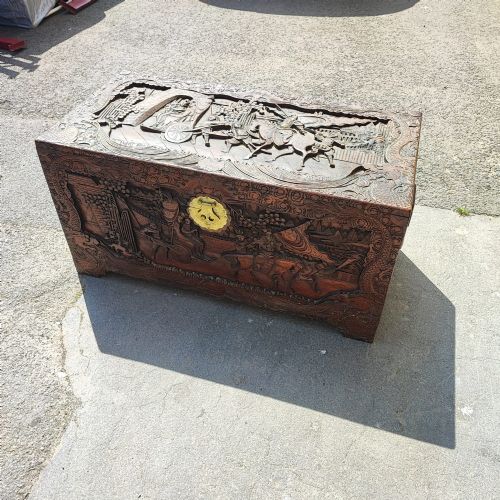
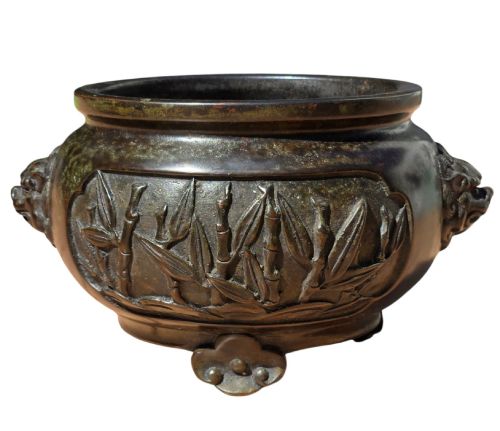
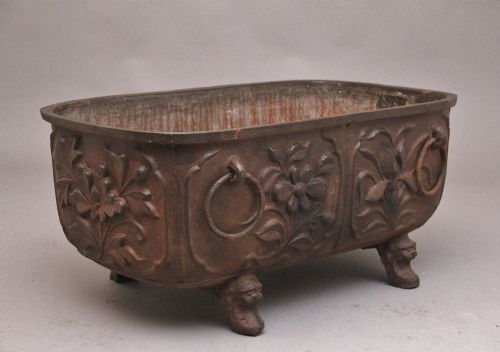
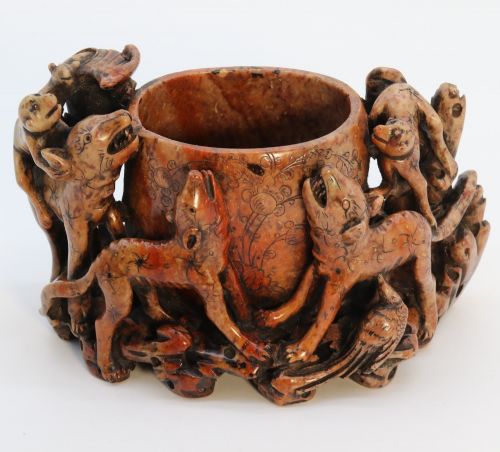
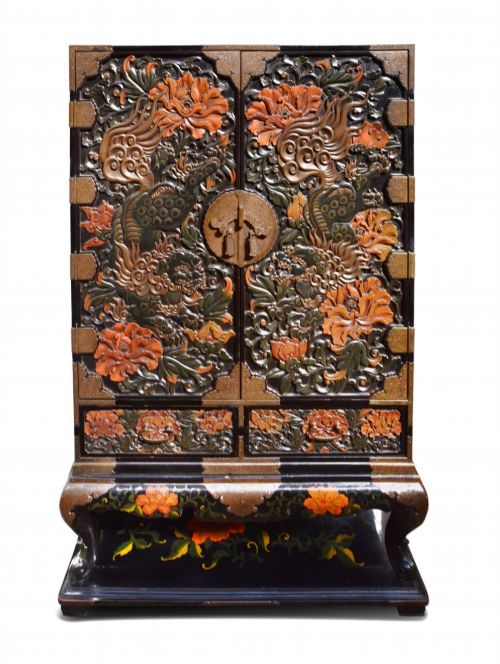
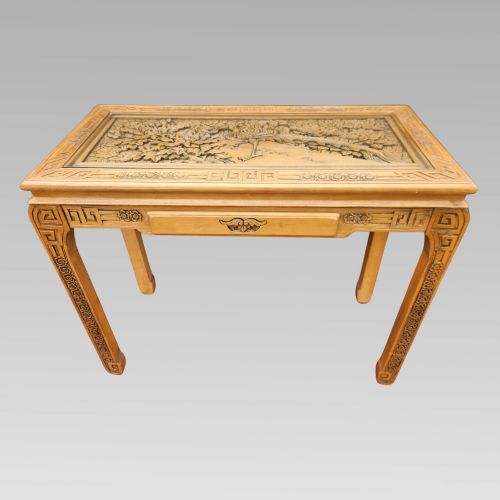
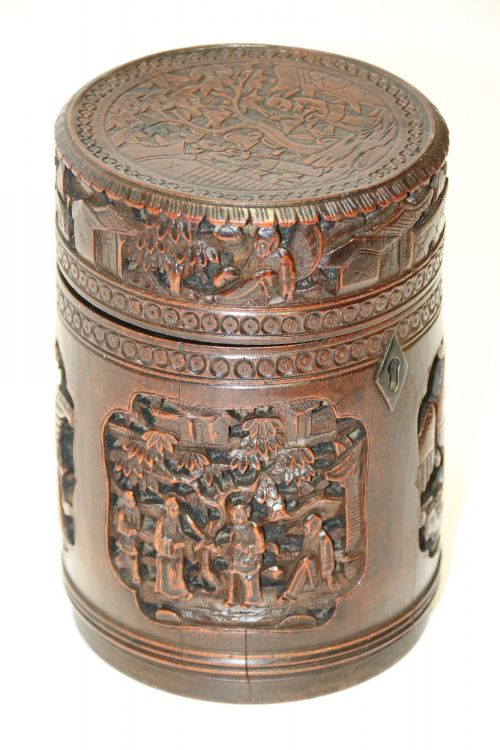
Chinese relief carving encompasses sculptural woodwork, bronze vessels, lacquer cabinets, and stone panels spanning from the Ming dynasty to the twentieth century. When searching for chinese relief carving, buyers encounter utilitarian items transformed by ornament, such as camphor trunks, tea caddies, brush pots, and nest of tables.
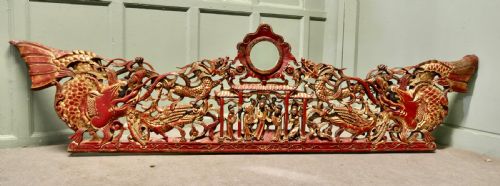
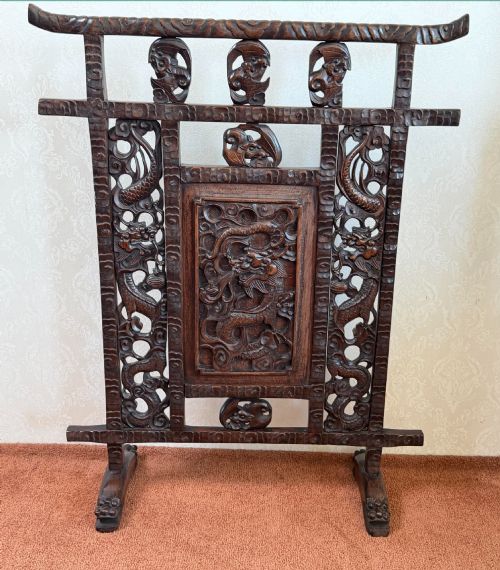
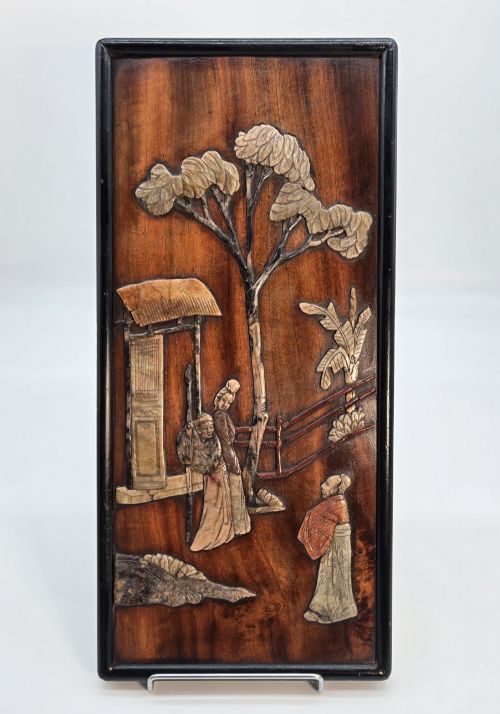
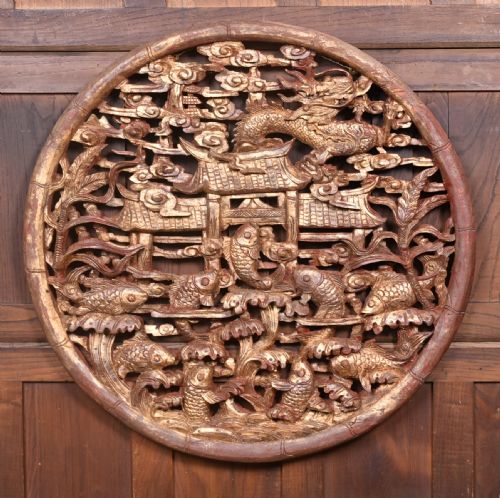
The objects derive from diverse periods including the nineteenth century and the nineteen-twenties, incorporating styles like Qing dynasty, Chinese export, and Chinoiserie. Wall plaques, temple panels, and screens dominate the form, displaying motifs of immortals, dragons, and floral patterns rendered in high and low relief.
How They Were Made
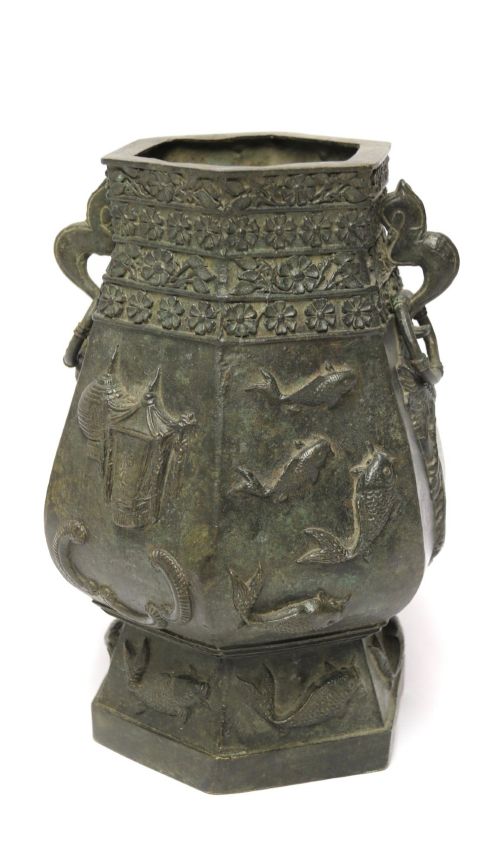
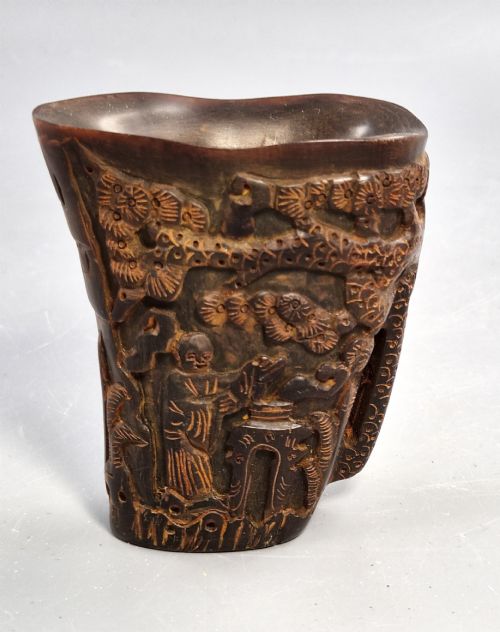
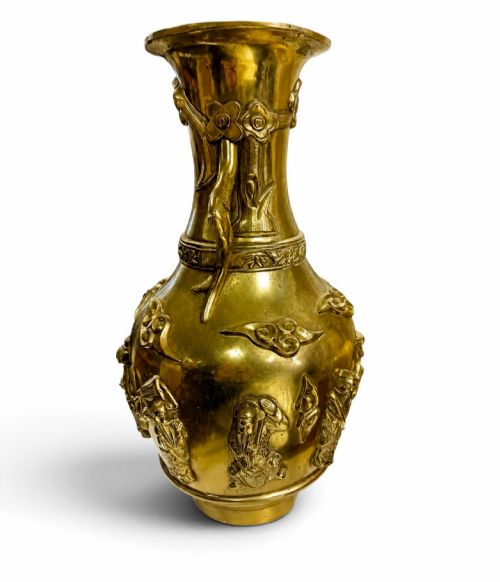
Artisans employed traditional techniques across organic and metallic mediums, utilising hardwoods such as padouk, camphor wood, elm, and teak alongside bamboo and water buffalo horn. Metals including bronze, copper-alloy, and brass underwent casting and hand-chiselling to achieve intricate surface depth.
Lacquered surfaces, gilt wood, and polychrome finishes frequently augment the carved wooden foundations. Stone and soapstone elements appear alongside glass and gold leaf details, securing layered visual complexity.
What Varies in Quality
The standard of chinese relief carving rests upon the depth, sharpness, and undercut precision of the chisel work rather than the mere presence of decoration. Superior examples display dynamic movement in figures and foliage, where background planes show clean removal and focal subjects possess anatomical definition.
Material selection dictates durability and prestige, distinguishing dense hardwoods and heavy cast bronzes from softer woods and simpler laminates. Preservation of original surface patination, whether polished lacquer, raw timber, or aged bronze, governs the visual authority of each piece.
The Chinese Relief Carving Glossary
- Relief
- A sculptural technique where elements project from a background plane. High relief projects significantly, creating strong shadows and three-dimensional form.
- Chinoiserie
- European decorative style reflecting Chinese artistic influences. This aesthetic gained popularity across various centuries through furniture and lacquerwork.
- Baluster
- A small moulded shaft or pillar supporting a rail or forming part of a vase contour. Many metal vessels on this page utilise this balanced vertical profile.
- Libation cup
- A ceremonial vessel used for pouring liquids during rituals. These items often feature intricate carvings depicting immortals and natural scenes.
- Padouk
- A durable tropical hardwood prized for its reddish hue and density. Cabinetmakers utilised this timber for carved display furniture.
Chinese Relief Carving: Frequently Asked Questions
How do I care for carved wooden furniture?
Keep wooden chests and tables away from direct heat sources and sudden humidity shifts to prevent timber splitting.
Dust regularly with a dry cloth and occasionally apply appropriate natural wax to maintain the polished finish.
What is a camphor wood chest used for?
Camphor wood trunks served historically for storing garments and linens because the natural aromatic timber repels insects.
Today these lidded boxes function as blanket chests, coffee tables, or decorative storage in living spaces.
How are bronze vessels dated?
Dating relies upon stylistic markers, casting methods, patination depth, and accompanying base marks such as dynastic stamps.
Examining the crispness of the relief panels helps determine the period of manufacture.
Where should I place a carved screen?
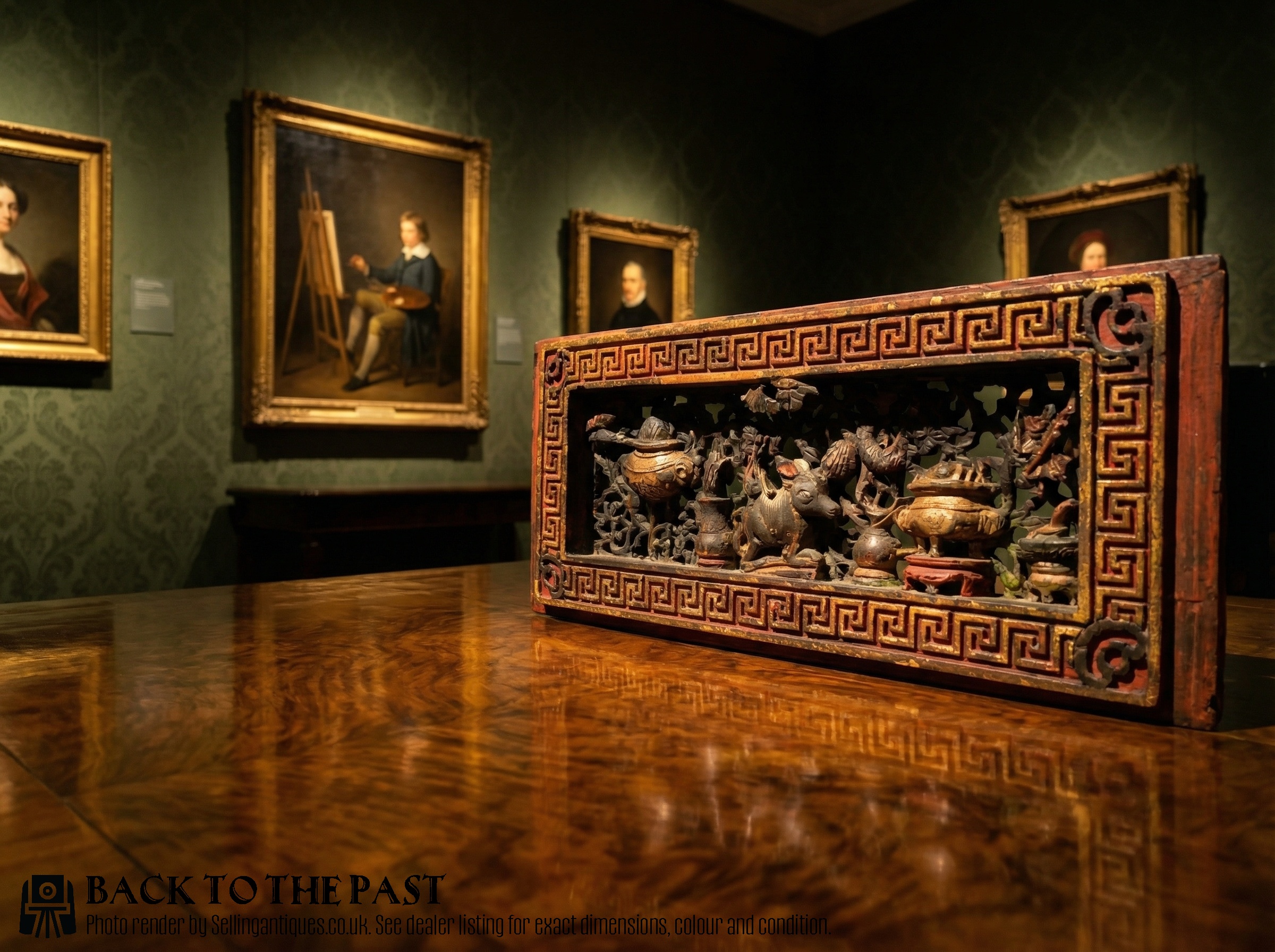
Carved hardwood screens suit placement against plain walls where their intricate perforation and relief work create distinct shadow patterns.
They also function as room dividers in open spaces to introduce architectural division.