




Chinese Architectural Panels
Chinese architectural panels are carved wooden sections recovered from temples and buildings, offering rich narrative depth and intricate craftsmanship to enrich a traditional interior.
Chinese Architectural Panels
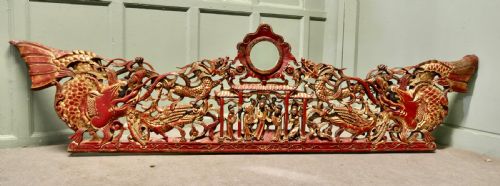
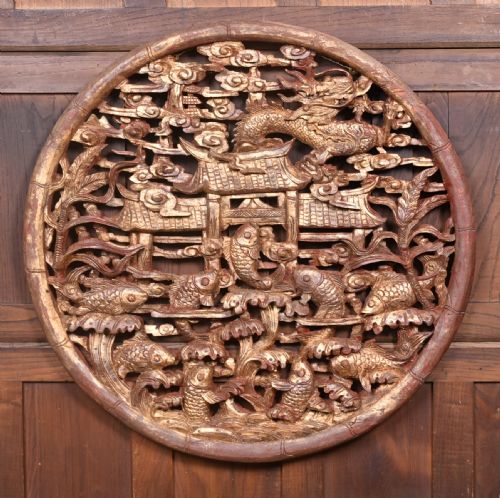
Chinese architectural panels take the form of carved wooden plaques, temple pediments, and wall carvings originating predominantly from the nineteenth and eighteenth centuries. These items serve as decorative wall art and wall panels, carrying the distinct visual language of Qing Dynasty and Chinoiserie styles. A buyer browsing this selection is most likely to encounter nineteenth-century examples alongside specific groupings of carved wooden plaques.
The objects frequently manifest as pairs of carved wood panels, temple fragments, and cart doors that have been adapted for domestic display. Pieces range from large temple pediments down to miniature figure groups and sets of multiple plaques. Each form retains the structural timber of its original architectural context while functioning purely as a decorative wall hanging.
Materials and construction
These items rely entirely on timber, utilising softwood and general carved wood worked by hand into deep relief. Artisans shaped the wooden substrate using traditional joinery and carving techniques before applying surface decoration.
Gold leaf, giltwood, and painted finishes frequently overlay the timber base to highlight the intricate figural scenes and floral motifs. This combination of carved wood and applied gilding creates the characteristic texture seen across nineteenth-century temple panels and plaques.
Chinese Architectural Panels Retail Price Guide 2026
Typical asking prices for chinese architectural panels among the pieces listed under this phrase on Sellingantiques today, from the lower quarter to the upper quarter. They describe what is for sale here now, not the wider market.
Cart doors occasionally find new life indoors, proving that a solid piece of timber simply refuses to retire from making an entrance.
Assessing quality and depth
The distinction between standard examples and the finest work lies in the depth and clarity of the carving. Superior pieces display intricate undercut details and expressive figures that remain sharp despite age and wear.
The preservation of original surface treatments, such as gold leaf and painted pigment, dictates the visual impact of a panel. Pieces with intact, undisturbed gilding present a much stronger aesthetic than those with heavy later repainting.
The Chinese Architectural Panels Glossary
- Giltwood
- Timber decorated with gold leaf or a thin layer of gold paint. This finish catches the light and emphasises the relief work on temple panels.
- Pediment
- A decorative architectural gable placed above a door, window, or altar. These large structural elements are often dismantled to supply carved panels.
- Chinoiserie
- European artistic style reflecting Chinese motifs and techniques. It emerged from Western trade and fascination with Eastern design.
- Qing Dynasty
- The final imperial dynasty of China, lasting from the seventeenth to the early twentieth century. Many surviving architectural carvings originate from this period.
Chinese Architectural Panels: Frequently Asked Questions
How do I hang a heavy wooden panel safely?
Heavy wooden panels require robust wall fixings secured directly into masonry or wall studs to support the substantial weight of the timber.
Professional mirror plates or hidden french cleats provide the stability needed to keep large plaques secure against the wall.
Are these panels from actual buildings?
Many of these pieces originate from temples, domestic residences, and administrative structures where they formed structural or decorative components.
Over time, changing architectural practices led to the removal and preservation of these carved wooden elements for decorative trade.
How should I clean gilded wood panels?
Gilded wood requires gentle dusting with a soft, dry brush to prevent the delicate gold leaf layer from lifting or flaking off.
Water and chemical cleaning agents must be avoided entirely, as moisture quickly damages historic painted and gilded surfaces.
What is the difference between a plaque and a pediment?
A wall plaque is a flat or relief-carved panel designed specifically for display on a flat vertical surface.
A pediment is a larger architectural component, often triangular or shaped to fit above an opening, featuring deeper structural framing.