




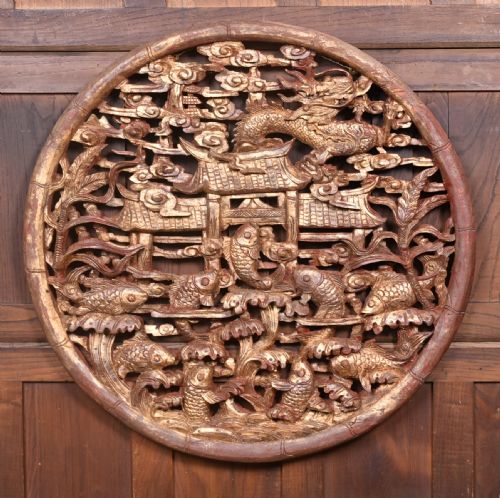

Qing Dynasty Panels
When you search for qing dynasty panels, you uncover rich silk embroideries and carved wood reliefs that bring historical depth into a room.
Qing Dynasty Panels
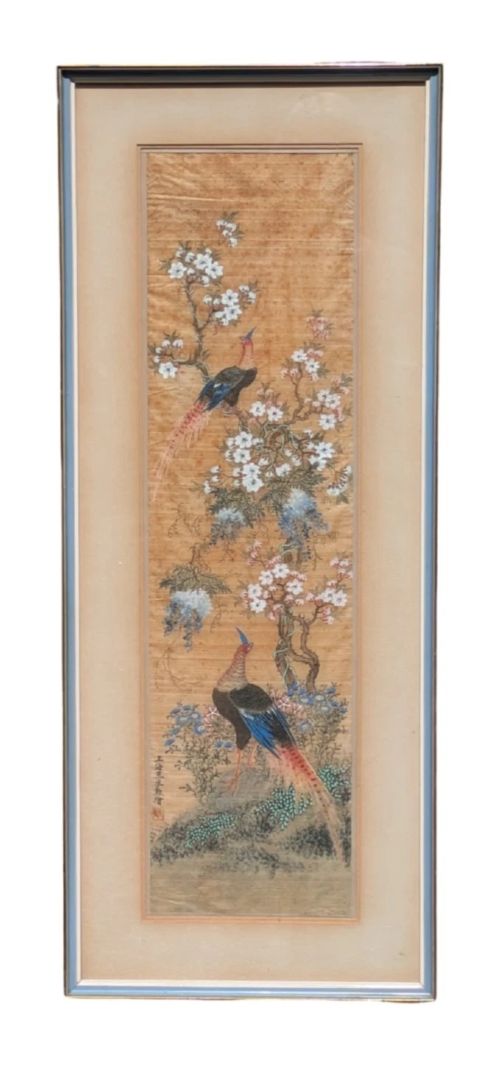
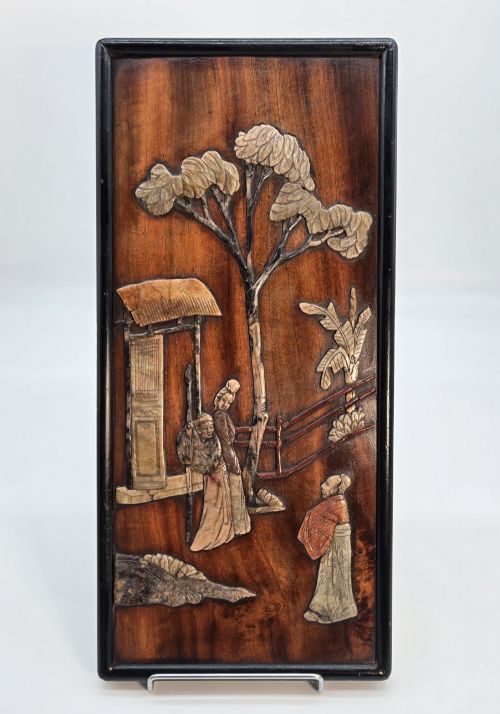
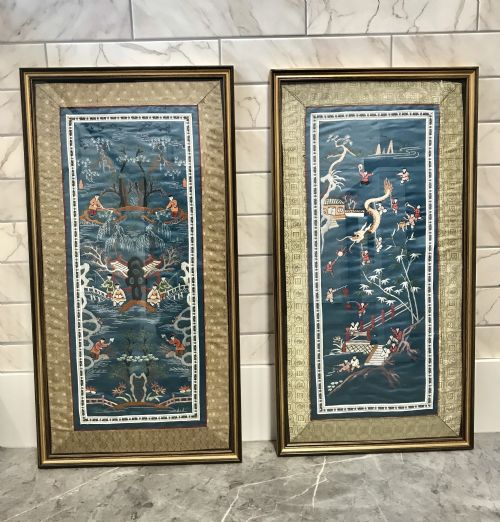
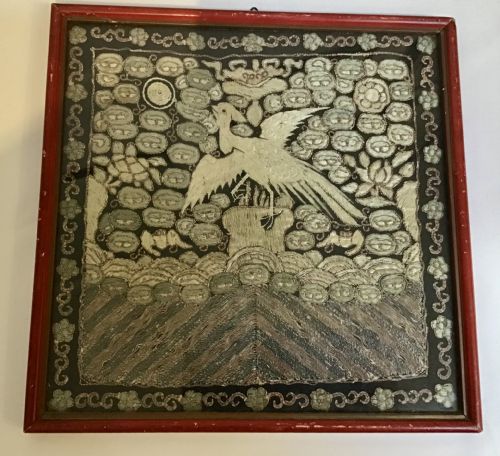
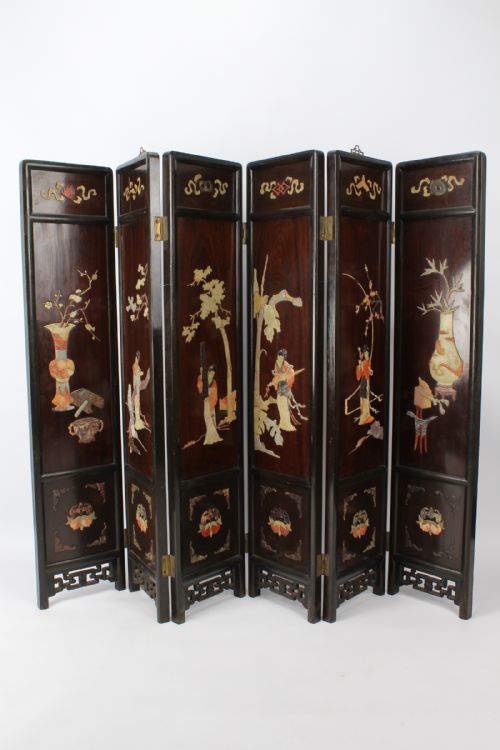
These items encompass carved wooden plaques, framed silk embroideries, and folding screen sections originating from China during the nineteenth century and earlier. Buyers searching for qing dynasty panels encounter diverse forms, from temple carvings to wall hangings depicting figures, birds, and floral motifs.
The selection frequently includes hardwood screens, Coromandel lacquer work, and textiles preserved under glass. Pieces span traditional Chinese aesthetics alongside items produced for export markets.
Materials and Construction
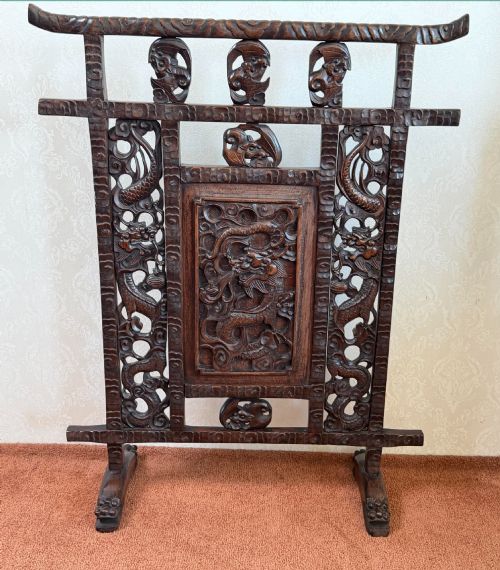
Craftsmen utilised dense hardwoods, hand-woven silks, and carved lacquer to build these objects. Relief panels often display intricate chisel work in wood, sometimes heightened with gilt or gold leaf.
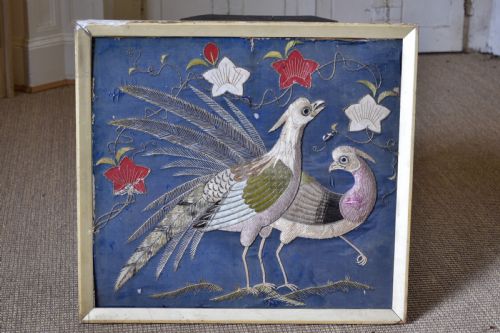
Textile works rely on meticulous hand sewing with silk threads to form detailed landscapes, dragons, and garden scenes. Lacquered pieces involve multiple coats applied to a wooden base before incising and painting.
Listings feature items spanning the eighteenth, nineteenth, and early twentieth centuries, constructed from carved wood, silk, and lacquer.
Assessing Quality and Execution
The depth and precision of the carving separate standard workshop production from superior examples. Crisp execution in wood relief and tight, even stitching in silk embroidery indicate higher craftsmanship.
The preservation of original surfaces, whether polychrome paint on wood or intact silk grounds under glass, determines the overall integrity of the piece.
The Qing Dynasty Panels Glossary
- Coromandel
- A type of Chinese incised lacquerware where designs are cut into a dark ground and filled with colour. This technique appears on folding screens and decorative panels.
- Silk embroidery
- Needlework executed with fine silk threads on a textile background. These works frequently portray birds, flora, and narrative figure groups.
- Hardwood
- Dense timber such as zitan or huanghuali used for structural frames and carved panels. It provides stability and takes a fine polish.
- Lacquer
- A durable finish derived from tree sap, applied in layers to wood. It forms a smooth surface suitable for carving and painting.
Qing Dynasty Panels: Frequently Asked Questions
How do I hang a heavy wooden panel?
Heavy wooden panels require secure wall anchors fixed directly into structural studs. Professional picture hanging brackets distribute the weight evenly along the frame.
Ensure the hanging wire or integrated mounting loops match the substantial weight of dense hardwoods.
Can silk panels be exposed to sunlight?
Direct sunlight causes natural silk threads and historic dyes to fade rapidly over time. Display these textiles away from windows or behind protective glass with UV-filtering properties.
Maintaining stable ambient light preserves the vibrant colours of embroidered scenes.
What is Coromandel lacquer?
Coromandel lacquer involves coating a wooden panel in layers of dark lacquer before carving into the surface. Artisans then fill the incised recesses with pigments and gold leaf.
This technique creates rich pictorial reliefs found on large screens and wall panels.
How do I clean carved wooden panels?
Remove dust gently using a soft, dry brush or a microfiber cloth without applying moisture. Avoid chemical polishes that can damage historic patinas and dry out the timber.
Regular dusting prevents particle accumulation within intricate carved crevices.