





Traditional Chinese Wood Art
Traditional chinese wood art brings character into a room through carved figures, panels and wall plaques crafted from hardwood.
Traditional Chinese Wood Art
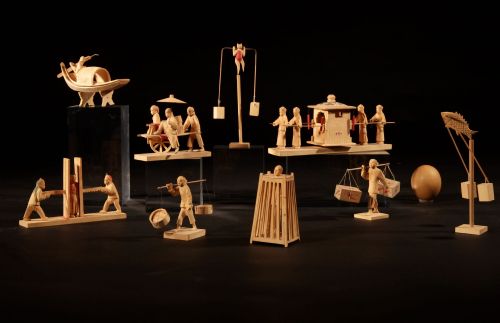
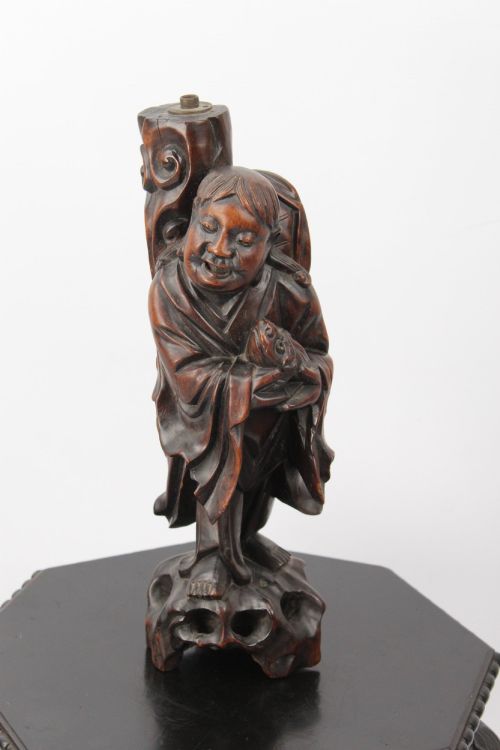
Traditional chinese wood art encompasses carved wooden figures, panels, and wall plaques that represent figures such as Daoist immortals, Buddhist immortals, and fishermen. These pieces emerge from periods spanning the eighteenth century through to the twentieth century, reflecting traditional chinese and Qing dynasty styles.
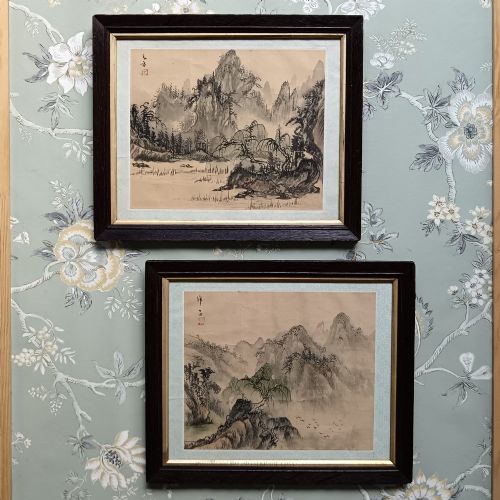
Buyers frequently encounter carved wooden panels and sculptures depicting daily life, immortals, and figures like Quan Yin. The selection includes individual hardwood carvings alongside collections and framed silk paintings that complement the wooden forms.
How traditional chinese wood art was made
Craftsmen utilised wood and hardwood to shape intricate sculptures and panels, occasionally applying gold leaf, polychrome pigment, and lacquer to the surface. Selected pieces combine carved wood with silk elements and original frames.
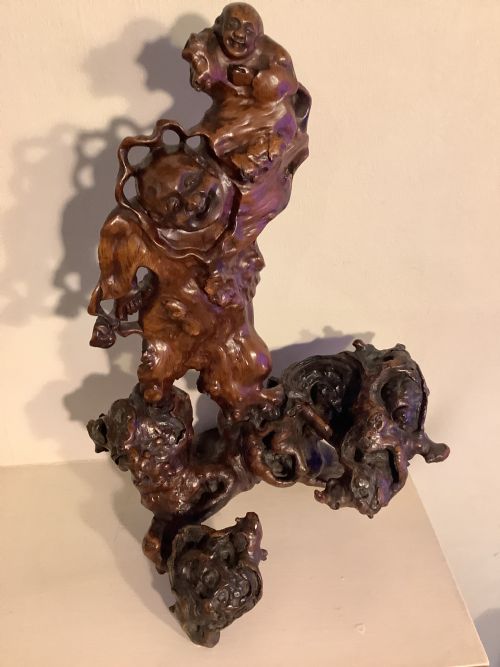
The construction relies on detailed hand carving, transforming natural timber and gnarled wood into figurative models and architectural wall plaques.
Traditional Chinese Wood Art Retail Price Guide 2026
Typical asking prices for traditional chinese wood art among the pieces listed under this phrase on Sellingantiques today, from the lower quarter to the upper quarter. They describe what is for sale here now, not the wider market.
Listings feature items spanning the eighteenth, nineteenth, and twentieth centuries, utilising wood, lacquer, gold leaf, and silk.
What varies in quality in traditional chinese wood art
Depth and precision of the hand carving separate simpler panels from finely articulated figures. The handling of facial expressions, drapery folds, and natural wood contours dictates the visual impact of each sculpture.
The survival of original surface treatments such as polychrome pigment, gold leaf, and lacquer contributes to the integrity of the piece.
The Traditional Chinese Wood Art Glossary
- Hardwood
- Dense timber selected for traditional chinese wood art to ensure crisp carved details that endure. This material underpins many nineteenth century figures and panels.
- Gold leaf
- Extremely thin sheets of beaten gold applied to wooden surfaces to accentuate specific areas. It appears alongside lacquer and polychrome pigment on traditional pieces.
- Lacquer
- Natural resin applied in multiple layers to seal and finish wooden panels. This technique provides a durable and lustrous surface across oriental panels.
- Daoist Immortal
- Mythological figure frequently depicted in traditional Chinese carvings. These subjects represent spiritual figures from traditional folklore.
Traditional Chinese Wood Art: Frequently Asked Questions
What periods do these carvings come from?
The pieces originate from various eras, including the eighteenth century, the nineteenth century, and the twentieth century. Qing dynasty examples sit alongside Victorian period works.
Craftsmen produced these panels and figures across multiple generations, leading to diverse stylistic expressions within traditional Chinese folk art.
How were these wooden panels used?
Wall plaques and carved wooden panels served as architectural ornaments within interiors. They functioned as decorative focal points on walls.
Individual figures and statues of immortals were displayed on surfaces to bring traditional narratives into domestic spaces.
What materials are typically found?
Carvings primarily utilise wood and dense hardwood as a base material. Surface decoration often incorporates gold leaf, lacquer, and polychrome pigments.
Some related works also feature silk painted elements housed within original frames.
How do I care for antique wood art?
Keep carved wooden panels and figures away from direct sunlight and sudden temperature shifts. This protects the timber and any applied polychrome or gold leaf.
Dust the surface gently with a dry, soft cloth rather than using liquid polishes that might harm the antique finish.