





Hand Carved Timber Panels
Hand carved timber panels bring tactile depth and historic character to interiors, ranging from architectural salvage to figurative wall art.

Hand Carved Timber Panels
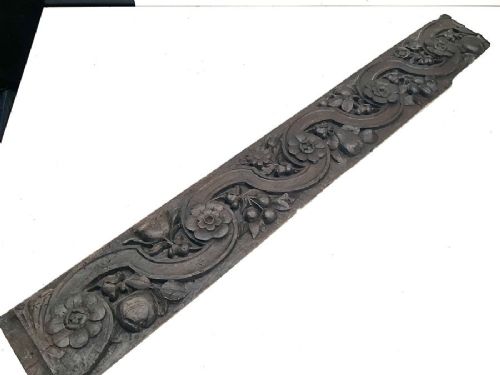
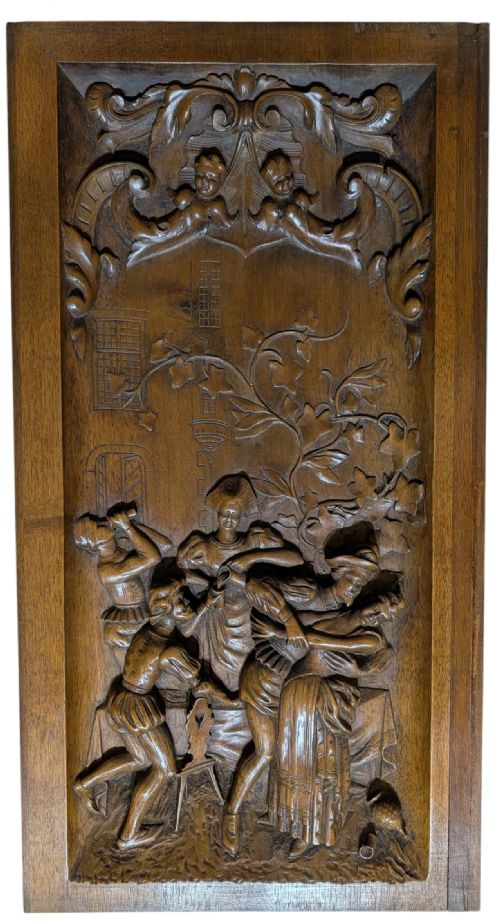
Hand carved timber panels encompass architectural elements, wall art, and room dividers sourced from diverse global traditions. When exploring hand carved timber panels on this page, buyers encounter items ranging from seventeenth century European oak panels to nineteenth century Chinese plaques and Indian hardwood carvings.
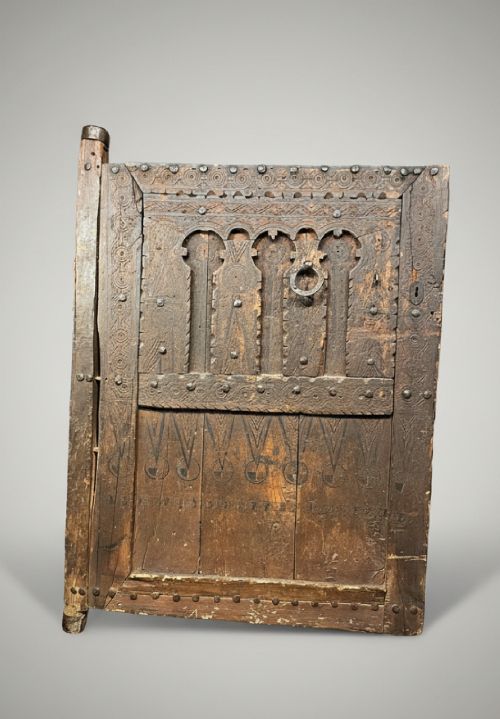
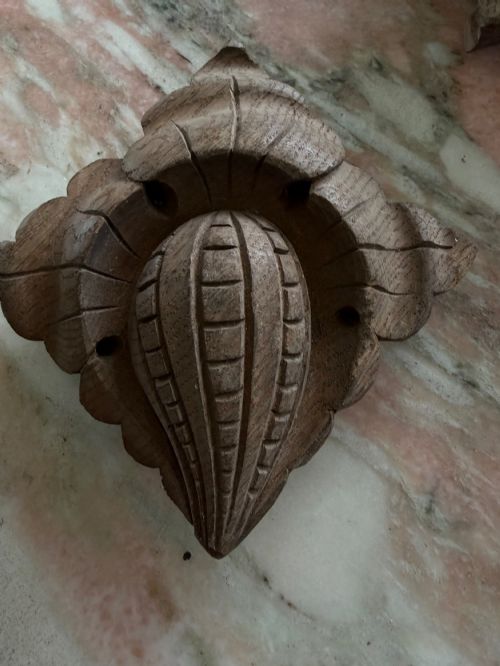
The selection frequently includes fragments from doors, screens, friezes, and ceiling bosses. Many pieces serve as direct wall sculptures or plaques, whilst others function as decorative room dividers and folding screens.
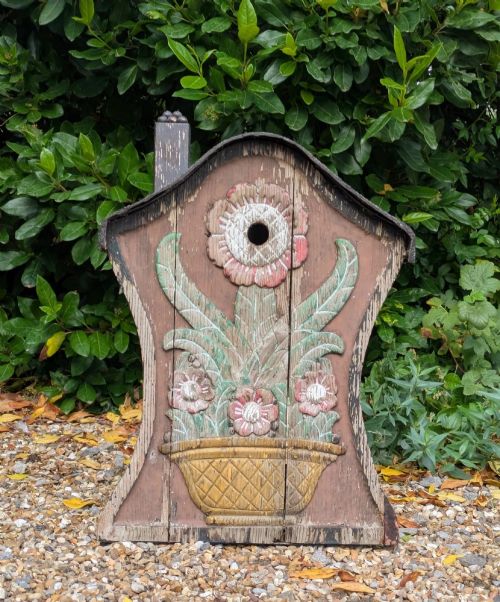
Origins span across Europe, Asia, and Africa, incorporating styles such as Jacobean, Qing Dynasty, and Arts and Crafts. Pieces appear in forms as varied as Swedish folk art bird boxes, Islamic calligraphy, and tribal doors.
What varies in quality
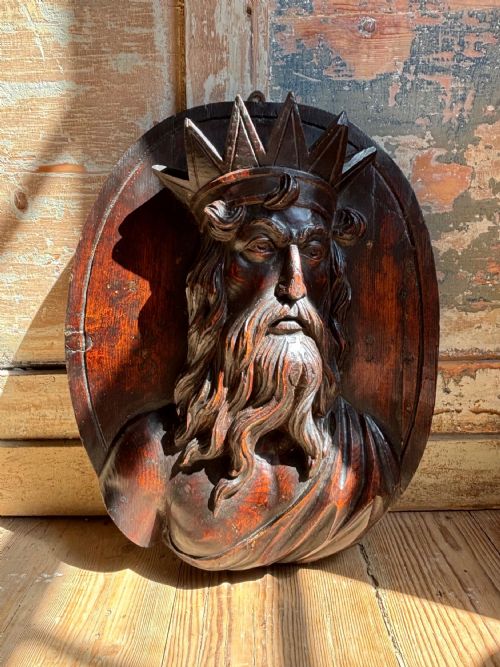
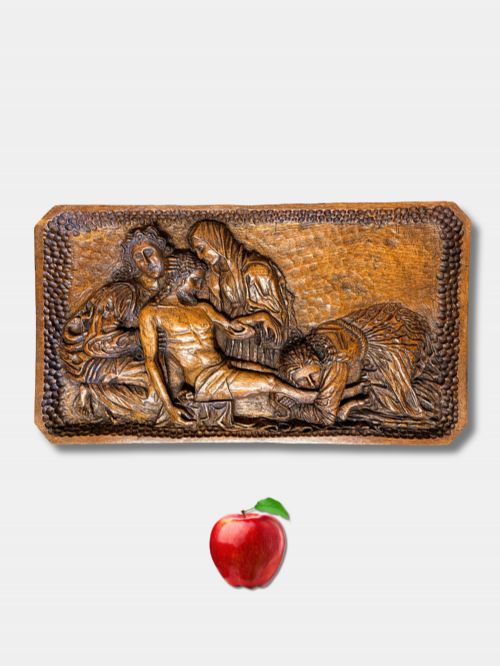
Depth and clarity of the chisel work distinguish standard production from exceptional carving. Crisp anatomical definition in figurative scenes and sharp undercutting indicate superior craftsmanship.
The integrity of the original timber surface and the survival of historic paint or finish dictate desirability. Patina accumulated through centuries of handling adds significant depth to the appearance of the wood.
Listings feature oak, walnut, chestnut, limewood, and general hardwood timber panels spanning the seventeenth through early twentieth centuries.
The Hand Carved Timber Panels Glossary
- Relief carving
- A sculptural technique where figures or patterns project from a flat background. Deep relief creates strong shadow lines and pronounced three-dimensional forms.
- Ceiling boss
- A decorative projecting block placed at the intersection of ribs in a ceiling or vault. These circular or square wooden elements often feature floral or figurative motifs.
- Frieze
- A wide horizontal band of sculpted decoration placed along the upper walls of a room or across furniture. Historic examples frequently depict narrative scenes or repeating foliate patterns.
- Architectural salvage
- Building components rescued from demolition or alteration for reuse in interior decoration. Items include doors, panels, and carved timber fragments.
Hand Carved Timber Panels: Frequently Asked Questions
How do I hang a heavy wooden panel?
Secure heavy timber panels directly into wall studs using appropriate metal brackets or battens. Ensure the weight distribution is even across multiple fixing points to protect the antique wood.
Consult a professional installer if the panel exceeds standard domestic weight limits or requires specialised masonry fixings.
Can these panels be used outside?
Most historic timber pieces are suited exclusively for interior environments. Exposure to moisture and temperature fluctuations causes untreated wood and historic paint to warp and degrade.
Keep panels away from direct sunlight and heat sources to preserve the original timber and surface patination.
How should I clean antique carved wood?
Remove surface dust gently using a soft, dry brush or microfiber cloth. Avoid commercial polishes, water, and chemical cleaners that strip historic finishes and dry out the timber.
Maintain stable indoor humidity levels to prevent the wood from splitting or cracking over time.
What is the difference between a panel and a screen?
Panels are single rigid elements designed for wall mounting or architectural integration. Screens consist of multiple hinged panels functioning as room dividers or folding partitions.
Both formats showcase traditional carving techniques but serve distinct spatial purposes within an interior.