





Red Lacquered Panels
Red lacquered panels bring rich colour and intricate Eastern craftsmanship into a room, offering striking focal points for both modern and traditional interiors.
Red Lacquered Panels
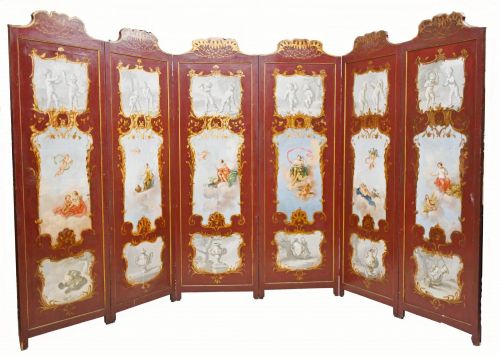
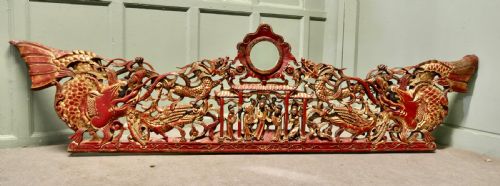
When searching for red lacquered panels, collectors encounter a diverse range of items including folding screens, wall plaques, room dividers, and side tables. These decorative objects span various origins and eras, from eighteenth-century pieces to mid-century examples.
The pieces on this page heavily feature Chinese and Japanese artistry, encompassing styles such as Qing Dynasty, Chinoiserie, and the Japanese Showa period. Buyers frequently meet multi-panel folding screens and framed wall carvings showing deep cultural motifs.
How They Were Made
Maker workshops utilised traditional media including wood, softwood, and giltwood as the structural foundation for these items. Artisans applied successive layers of lacquer to build a smooth, durable surface before adding decorative elements.
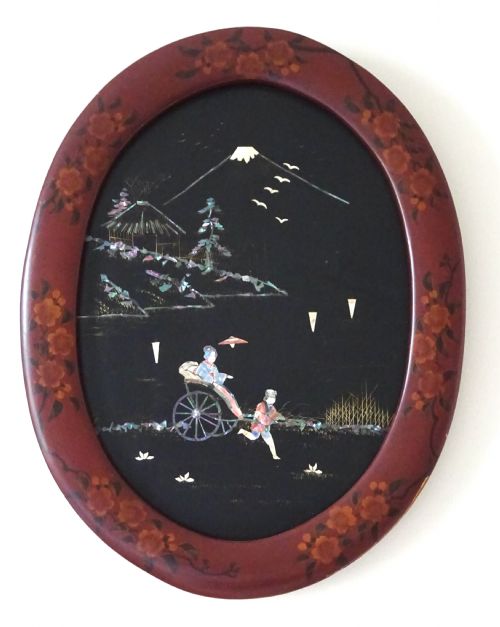
Surface ornamentation involved intricate detailing with gold leaf, mother of pearl, abalone, and brass. Carved wooden reliefs and painted highlights were frequently incorporated to create depth and texture across the red lacquer ground.
Red Lacquered Panels Retail Price Guide 2026
Typical asking prices for red lacquered panels among the pieces listed under this phrase on Sellingantiques today, from the lower quarter to the upper quarter. They describe what is for sale here now, not the wider market.
Some screens double as secret gossip hubs, having once divided drawing rooms so effectively that whispered conversations remained completely hidden from view.
What Varies in Quality
The depth of the lacquer layers and the precision of the underlying woodwork dictate the baseline quality of each piece. Superior examples display a smooth, polished finish without cracking or heavy restoration to the primary material.
The refinement of the decorative details, such as the precision of mother of pearl inlay and the execution of gold leaf work, separates standard items from exceptional ones. The balance of the composition and the integrity of the original hardware also influence overall distinction.
The Red Lacquered Panels Glossary
- Lacquer
- A durable resin finish applied to wood surfaces to create a smooth, glossy protective coating. This technique has a long history in East Asian decorative arts.
- Chinoiserie
- European artistic styles reflecting Chinese artistic influences, popular in furniture and decorative objects. It often incorporates asymmetrical motifs and imaginative landscapes.
- Gilt Wood
- Wood that has been treated with a thin layer of gold leaf or gold paint. This material is frequently used to accent carved details on panels and screens.
- Mother of Pearl
- The iridescent inner layer of mollusc shells used for inlay work on decorative panels. Artisans carve it into delicate shapes to catch the light against darker backgrounds.
Red Lacquered Panels: Frequently Asked Questions
How were folding screens used?
Folding screens served both functional and decorative purposes in historic interiors. They partitioned large rooms into smaller private spaces or blocked draughts from doors and windows.
In addition to spatial division, these screens acted as grand visual centerpieces against plain walls. Their mobility allowed owners to change the layout of a room with ease.
Where should I hang wall plaques?
Wall plaques require locations with adequate wall space to display their carved details and lacquered finishes properly. Placing them above furniture pieces like side tables or mantelpieces creates a balanced visual anchor.
Avoid positioning delicate lacquer pieces in direct, harsh sunlight to protect the pigments and materials over time. Ambient lighting works best to highlight the subtle textures of gold leaf and mother of pearl.
How do I identify Chinese styles?
Chinese styles on these panels often incorporate specific period motifs, such as traditional architectural elements, figures, and floral arrangements. Pieces associated with the Qing Dynasty or Republic Era carry distinct carving techniques and composition styles.
Materials like softwood and specific lacquer tones further assist in determining the geographic and temporal origin of the woodwork. Comparing the framing and back construction provides additional clues to the era.
How do I care for lacquer?
Lacquer surfaces respond best to gentle dusting with a soft, dry cloth to remove everyday particles. Avoid using chemical cleaners, polishes, or excessive moisture that might compromise the finish.
Maintaining a stable room temperature and humidity level prevents the underlying wood from expanding or contracting. This protective care preserves the integrity of both the lacquer and any inlaid mother of pearl.