



Antique Carved Wood Plaque
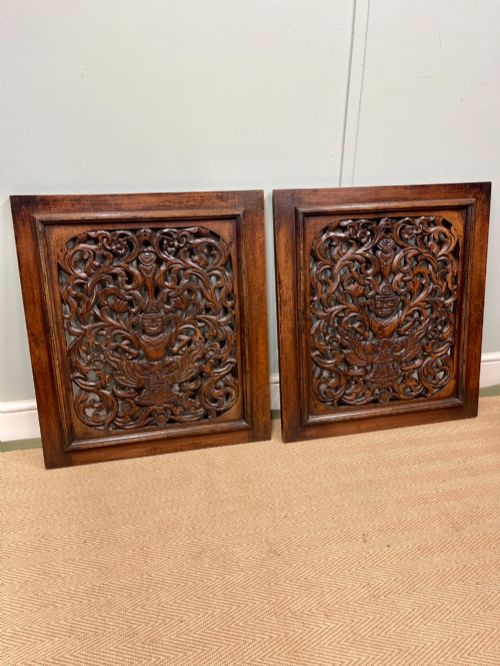
An antique carved wood plaque brings depth and historic narrative to a wall, offering rich texture and traditional craftsmanship.
Antique Carved Wood Plaque
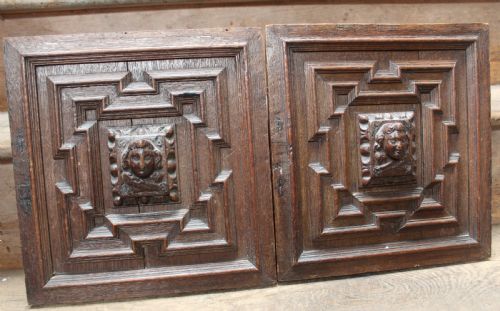
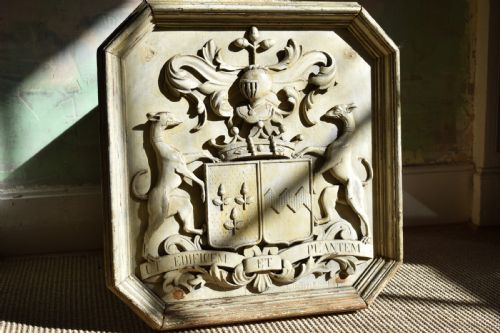
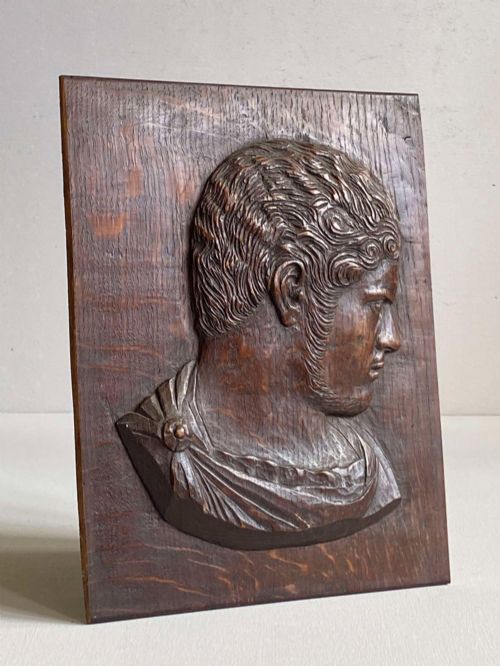
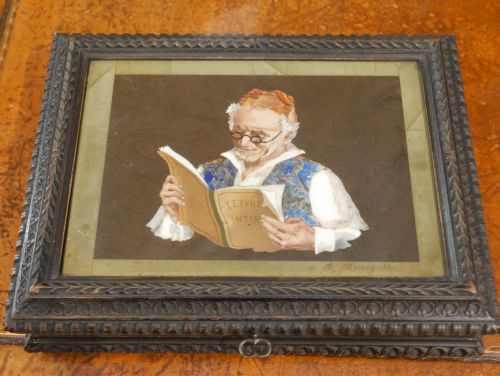
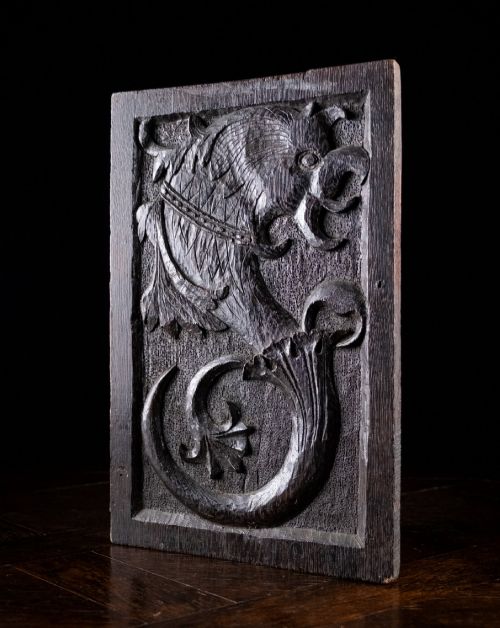
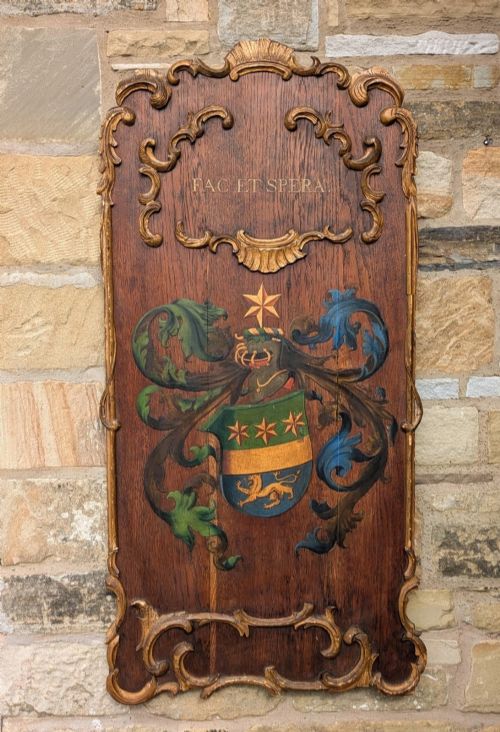
When you search for an antique carved wood plaque, you encounter pieces that function as wall art, architectural salvage, and decorative reliefs. These objects translate historical motifs into wood, ranging from figurative scenes to armorial shields and heraldic marriage plaques.
The selections span several centuries, with particular emphasis on pieces originating from the seventeenth, eighteenth, and nineteenth centuries. You find formal European work alongside regional folk art and items from Asian traditions.
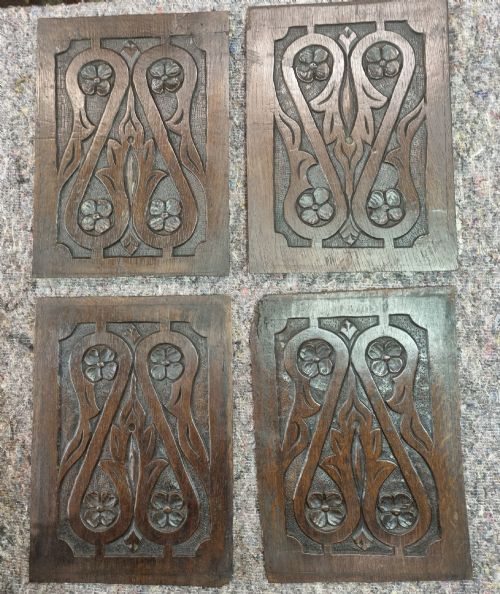
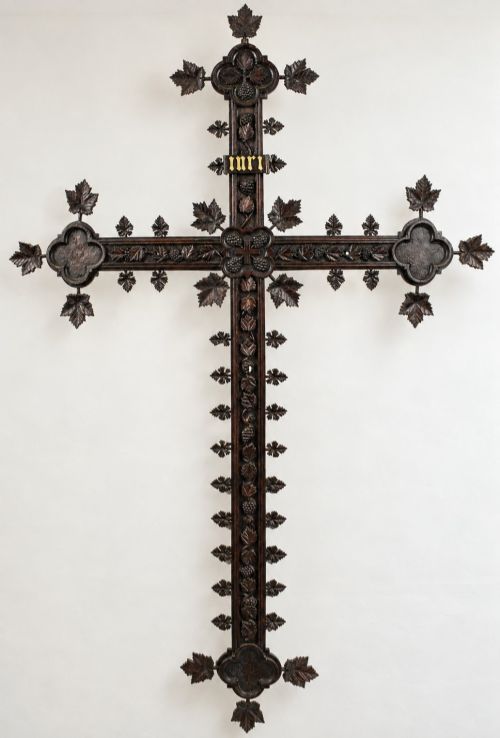
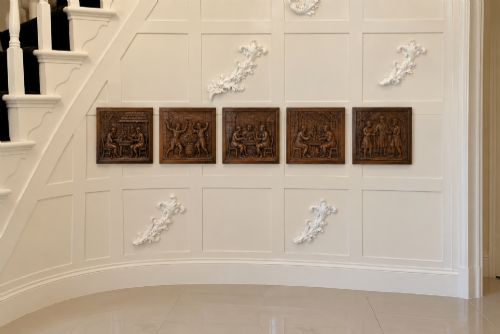
The forms vary from simple panels and calendar carvings to elaborate hunting trophies and religious depictions like the Lord's Prayer or Christ's Lamentation. Wall panels and architectural fragments form the majority of the items encountered.
Materials and construction methods
Oak and timber provide the structural foundation for many European items, while walnut, fruitwood, chestnut, and amboyna appear in specific regional or continental examples. Carvers utilise chisels and gouges to achieve low, high, and pierced relief work directly into the grain.
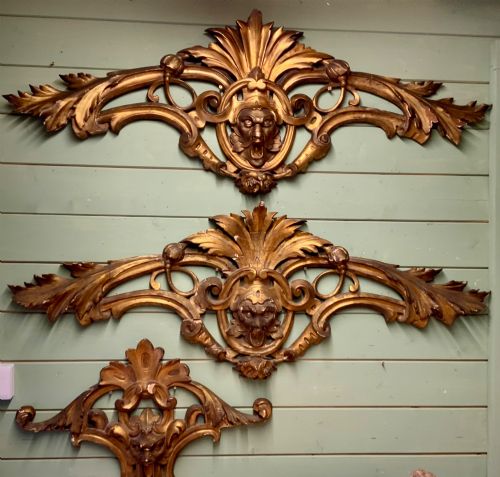
Surface treatments frequently involve gesso, paint, polychrome, gold leaf, and lacquer, which enhance the visual depth of the carving. Some items incorporate ebonising or preserve the natural tones of the timber through polishing.
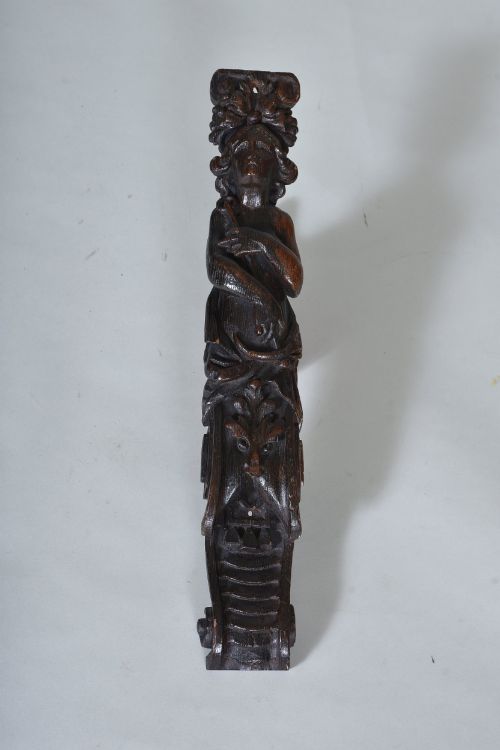
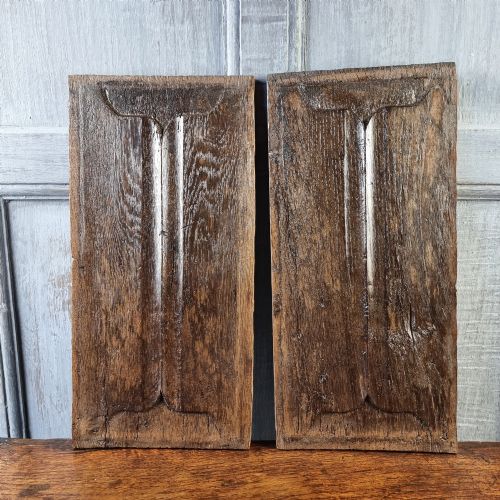
Many plaques originate as salvaged architectural elements, repurposed furniture components, or cart fragments, adapting structural woodwork into dedicated wall displays.
Antique Carved Wood Plaque Retail Price Guide 2026
Typical asking prices for carved wood plaque among the pieces listed under this phrase on Sellingantiques today, from the lower quarter to the upper quarter. They describe what is for sale here now, not the wider market.
Listings feature oak, walnut, fruitwood, chestnut, amboyna, and lacquer, spanning the sixteenth to the twentieth centuries.
Distinctions in craftsmanship and condition
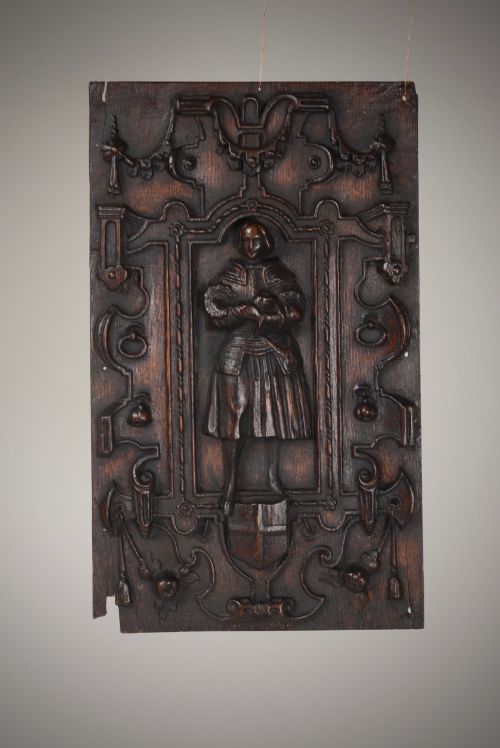
The definition of the carving determines visual success, separating pieces with sharp, expressive detail from those with softened or clumsy execution. Anatomy in figurative panels, such as human figures or animal trophies, reveals the skill of the carver.
The preservation of original surface finishes, whether polychrome paint, gilding, or plain timber patination, alters the historical integrity of the object. Evidence of age in the wood grain and joints complements the depth of the relief work.
Van Rijckevorsel & Verheijen
The Antique Carved Wood Plaque Glossary
- Relief
- A sculptural technique where elements remain attached to a solid background of the same material. High relief projects significantly from the background, creating strong shadow play.
- Linenfold
- A style of wood panel moulding resembling folded cloth, common in medieval and later joinery. It creates simple, repeating vertical textures across a flat surface.
- Polychrome
- The practice of decorating architectural elements, panels, or sculptures in a variety of colours. This finish adds vibrant narrative detail to carved timber.
- Armorial
- Relating to heraldry or coats of arms, often carved into shields or wooden plaques to mark family lineages and marriages. These pieces carry specific historical symbolism.
- Gesso
- A plaster-like mixture applied to wood as a base for paint or gold leaf gilding. It provides a smooth surface for detailed decorative application.
Antique Carved Wood Plaque: Frequently Asked Questions
How were these wall carvings used?
Historically, many of these pieces served as architectural elements, furniture panels, tabletop inserts, or specific heraldic markers for marriages and families. Some originate from religious settings or hunting lodges.
Over time, panels and fragments transition into decorative wall art displayed for their narrative and artistic merit.
How do I hang a heavy wooden plaque?
Due to the weight of dense timbers like oak and chestnut, secure wall fixings are essential. Professional framing or mirror hangers often utilise custom metal brackets that support the base and sides of the panel.
Ensure fixings engage directly with wall studs or utilise appropriate masonry anchors depending on your wall construction.
How do I distinguish seventeenth-century panels from nineteenth-century revivals?
Seventeenth-century panels typically display tool marks consistent with hand-riven timber and period joinery methods, often featuring distinct oak grain and patination. Revival pieces from the nineteenth century may show mechanical precision or different interpretations of historical styles like Gothic or Baroque.
Examining the back of the panel, joint construction, and wear patterns helps clarify the age of the piece.