





Gilt Wood Relief Carving
Gilt wood relief carving brings sculptural depth and gold leaf brilliance directly to your interior walls.
Gilt Wood Relief Carving
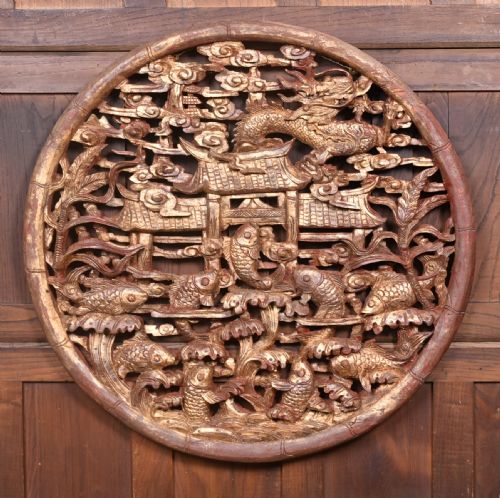
A gilt wood relief carving transforms flat walls into textured displays of craftsmanship, utilising raised wooden designs enhanced with metallic leaf. When you search for gilt wood relief carving, you encounter decorative panels, architectural fragments, and framed mirrors originating from various global traditions. The examples available here span several centuries and styles, ranging from European baroque flourishes to intricate regional Chinese temple panels.
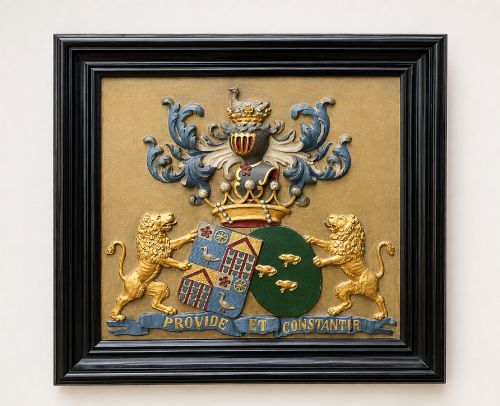
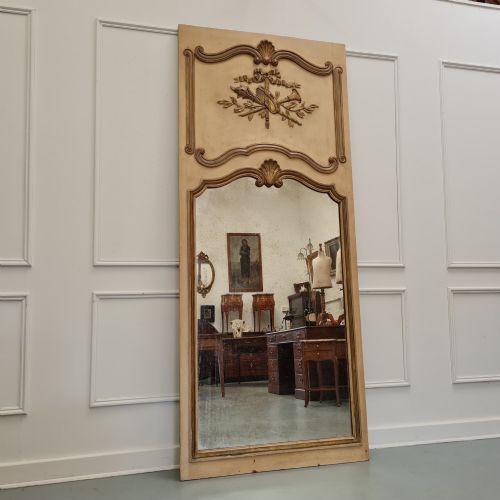
You are most likely to meet 19th-century interpretations, particularly French revival mirrors, architectural pediments, and carved wooden plaques. These pieces serve both structural and purely decorative roles within a room, often acting as striking focal points above mantelpieces or entryways. The selection encompasses both European heraldic plaques and oriental architectural salvage, each displaying distinct regional carving traditions.
How they were made
The foundation of these pieces relies on solid wood, carefully shaped by hand using specialised chisels and gouges to create varying depths of relief. Artisans then applied layers of gesso to smooth the wooden surface before adding thin sheets of gold leaf to achieve the characteristic luminous finish. Some items incorporate lacquer work or parcel gilding, where selected areas of the natural wood grain remain visible alongside the brilliant metallic highlights.
Architectural fragments and wall panels often required a substructure of joined timber, secured with traditional joinery techniques appropriate to their period. The application of gold leaf required immense precision, smoothing the delicate metallic sheets over intricate undercutting and carved contours. Subsequent ageing or patination treatments were sometimes applied to tone down the initial brilliance of the fresh metal.
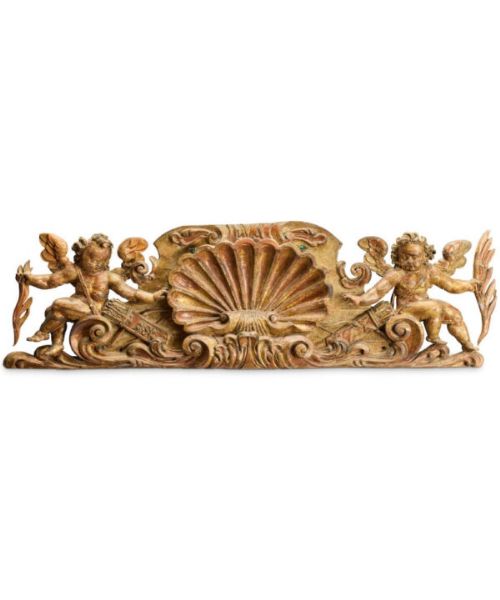
The listings span multiple centuries, incorporating 17th-century Italian baroque panels alongside 19th-century Chinese temple carvings and French mirrors.
What varies in quality
The distinction between average and exceptional pieces lies primarily in the depth, precision, and anatomical correctness of the hand carving. Superior examples demonstrate a fluid mastery over the wooden medium, where deep undercut relief creates dramatic shadows and complex three-dimensional forms. Lesser items rely on shallow surface incisions and repetitive mechanical stamping rather than thoughtful, individual artistry.
The application of the gesso and gold leaf also dictates the overall visual success of the carving. High-quality gilding catches the ambient light evenly while preserving the crisp edges of the underlying woodwork beneath subsequent patination. Poorer applications tend to obscure fine details with thick preparatory layers or exhibit uneven flaking across the high points of the design.
Grinling Gibbons·Van Rijckevorsel and Verheijen
The Gilt Wood Relief Carving Glossary
- Gesso
- A plaster-like mixture applied to wood to provide a smooth, prepared surface for subsequent gilding or painting. It allows carvers to achieve sharp detail before laying down gold leaf.
- Parcel Gilt
- A decorative treatment where only specific portions of an object are gilded, leaving the underlying wood or paint exposed elsewhere. This technique creates a deliberate contrast between plain surfaces and metallic highlights.
- Trumeau
- A decorative wall mirror or panel designed to fit the architectural space between windows or above a mantelpiece. These large pieces frequently combine painted woodwork with elaborate carved frames.
- Pediment
- A triangular or curved architectural element placed above doors, windows, or furniture panels. In antique carving, these decorative roof-like structures often feature deep relief motifs and gilt accents.
- Relief Carving
- A sculptural technique where the figures or patterns remain attached to a solid background of the same material. High relief projects significantly from the plane, while low relief stays flatter.
Gilt Wood Relief Carving: Frequently Asked Questions
How do I hang a heavy carved panel?
Heavy wooden panels require secure wall anchors and robust metal brackets screwed directly into timber wall studs. Avoid relying solely on lightweight picture wire attached to decorative framing.
Professional installation ensures the weight distributes evenly, protecting both the antique timber and the surrounding plaster wall from accidental damage.
What distinguishes baroque from revival pieces?
Original baroque carvings from the seventeenth and eighteenth centuries display spontaneous chisel work and organic wear consistent with their age. Revival pieces produced during the Victorian era often mimic these older styles with machine-milled precision.
Examining the tool marks on the reverse side of the panel helps determine whether the piece belongs to the original period or a later revival.
Where should I place these in a room?
These decorative elements work best mounted at eye level where the intricate carved details and reflective gold leaf catch natural light. Placing them opposite a window maximises their visual impact.
Keep them away from direct heat sources such as radiators to prevent the dry wood from warping or cracking over time.