


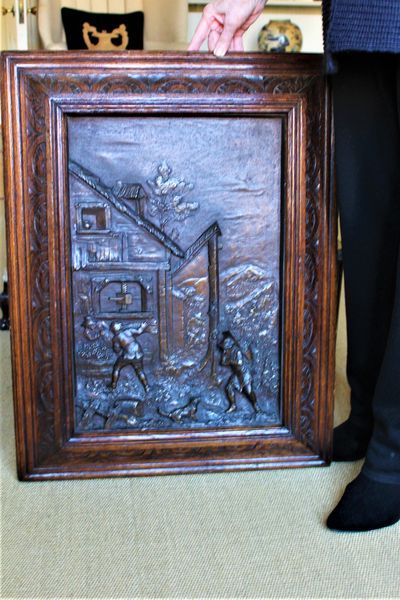
Renaissance Revival Carved Sculpture
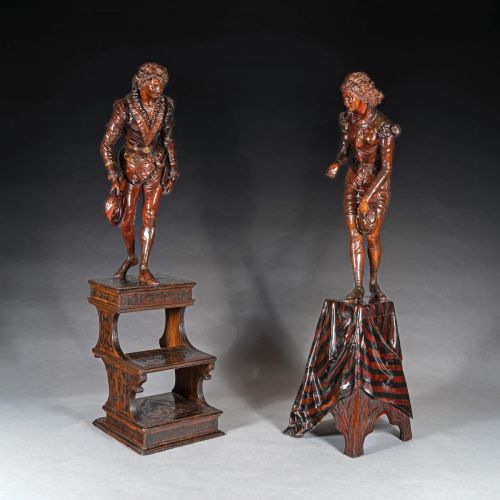
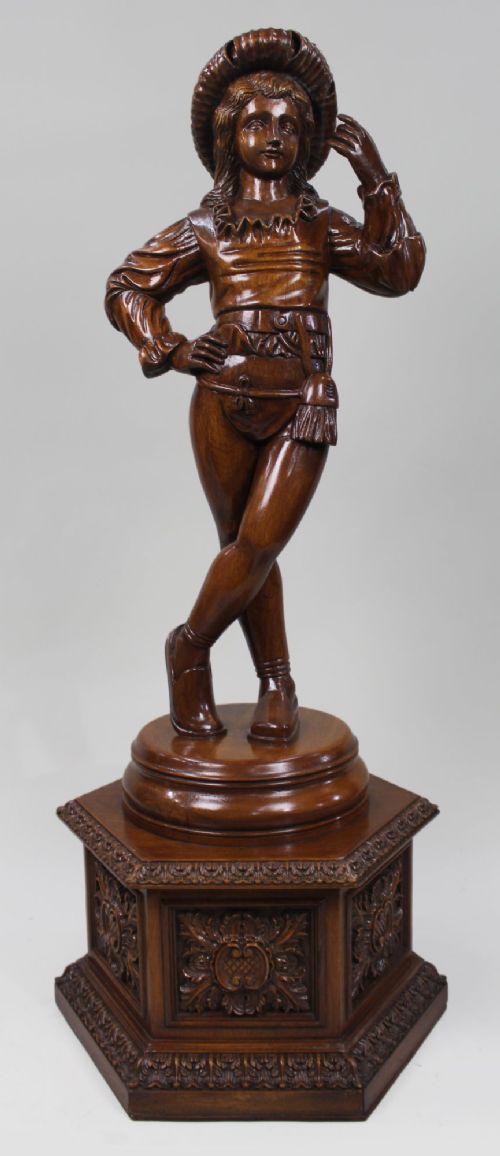
These renaissance revival carved sculpture pieces bring heavy historical drama and rich texture to a room, offering the grand presence of past centuries.
Renaissance Revival Carved Sculpture
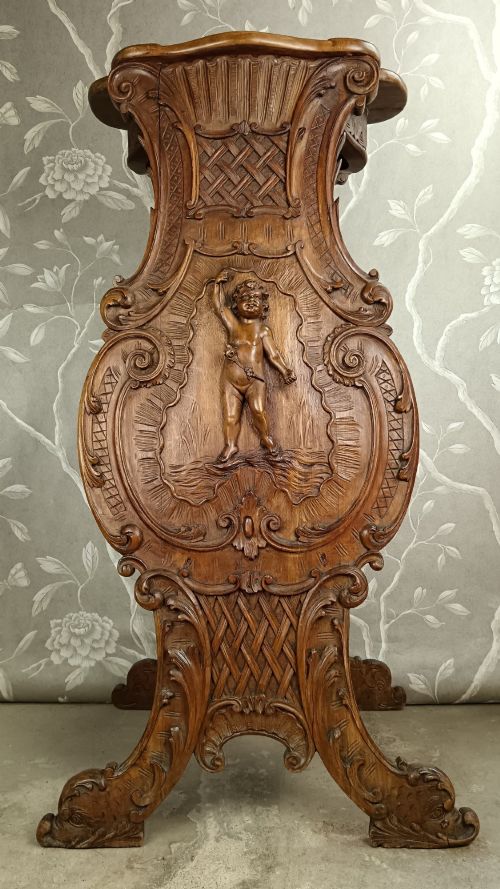
You are most likely to meet nineteenth-century walnut and hardwood figures, pedestals, and carved panels originating from Italian workshops. These works draw directly on earlier historical forms to create imposing focal points for period interiors.
How they were made
Carving forms the core of these works, utilising dense hardwoods such as walnut, lime wood, ebony, and amboyna alongside specialist materials like leathermaché and gesso. Artisans shaped these mediums with traditional hand tools to achieve deep undercut reliefs and sculptural volume.
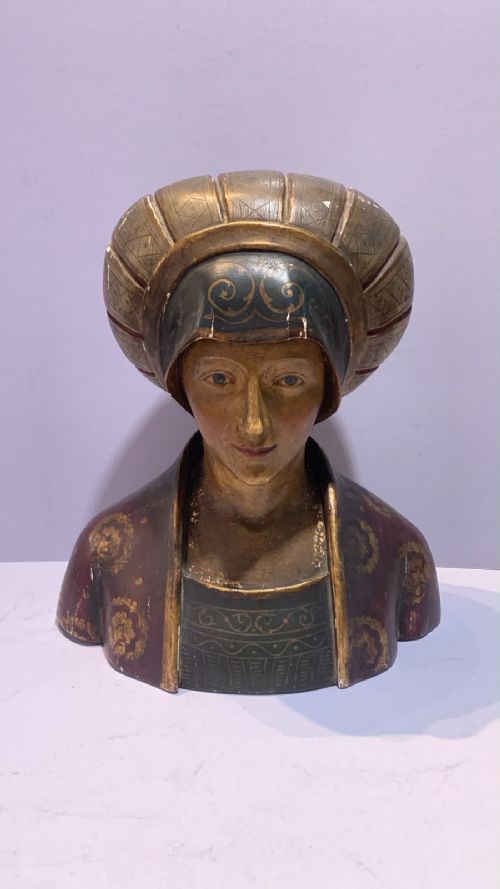
Surface treatments frequently involve gold leaf and polychrome finishes to enhance the rich architectural detailing. Makers applied these decorative layers over wood and gesso to emulate the opulent aesthetic of earlier centuries.
Materials recorded across the listings include walnut, gold leaf, wood, polychrome, gesso, terracotta, leathermaché, and carved hardwood.
What varies in quality
Depth of carving and clarity of detail separate masterworks from standard workshop output. Superior pieces display crisp undercutting on figures and foliage, while lesser examples rely on shallower, repetitive tool marks.
The choice of primary timber and the sophistication of surface finishes dictate the tier of an object. Highly figured woods combined with master-level relief work define the upper range of these historical designs.
Luigi Frullini
The Renaissance Revival Carved Sculpture Glossary
- Renaissance Revival
- A nineteenth-century design movement that reinterpreted the art and architecture of the fifteenth and sixteenth centuries. This style heavily influenced the creation of elaborate furniture and decorative sculptures.
- Grand Tour
- A traditional trip through Europe undertaken by upper-class scholars and collectors during the eighteenth and nineteenth centuries. Tourists frequently acquired small busts and architectural fragments as souvenirs.
- Leathermaché
- A moulded composite material made from pulped paper or leather mixed with binding agents. Makers used this substance during the eighteenth century to create lightweight architectural decorations and reliefs.
- Polychrome
- The practice of decorating sculptural surfaces in multiple colours. This technique was often applied to wood and gesso to achieve a lifelike or richly embellished appearance.
- Gesso
- A plaster-like mixture applied to wood surfaces as a base for gilding or paint. It provides a smooth ground for intricate carved details.
Renaissance Revival Carved Sculpture: Frequently Asked Questions
Where should I place a heavy wooden pedestal?
These tall stands suit corners or focal points in high-ceilinged rooms where they can support heavy decorative objects or stand alone as architectural sculpture.
Ensure the floor is level and the piece rests away from direct heat sources to protect the historic timber.
How do I clean carved walnut sculpture?
Dust the deep recesses regularly with a soft, dry brush to prevent dirt accumulation within the intricate grain and carved details.
Avoid liquid cleaners or polishes that can build up on nineteenth-century finishes and darken the historic wood.
What is a wall hanging panel used for?
These decorative plaques provide architectural interest and visual depth when mounted directly onto plain plaster walls.
Pair them with traditional picture lighting to highlight the relief carving and grain of the walnut.
How can I tell a Grand Tour bust apart?
Grand Tour sculptures typically represent classical figures or noblewomen intended as educational and aesthetic souvenirs of European travel.
They often appear in miniature or bust form, reflecting the scale required for nineteenth-century transport.