
Carved Wooden Wall Relief
A carved wooden wall relief brings centuries of hand-chiselled depth and texture directly into a room, offering immediate historical presence on any interior wall.
Carved Wooden Wall Relief
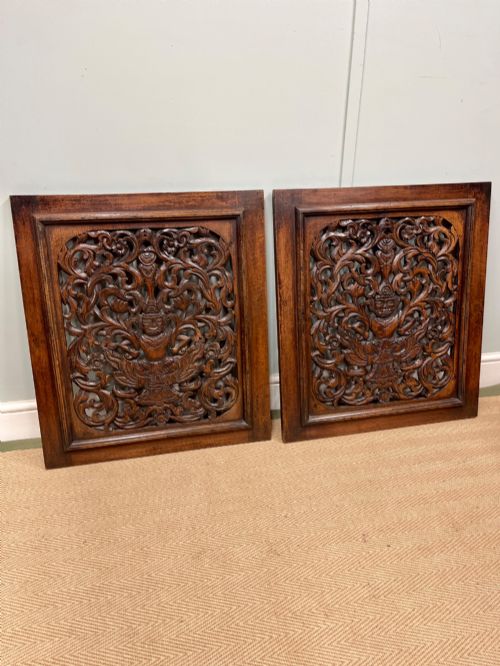
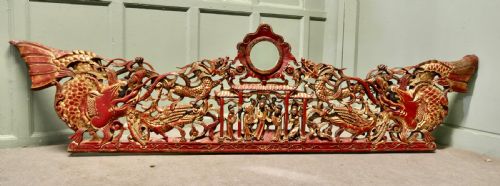
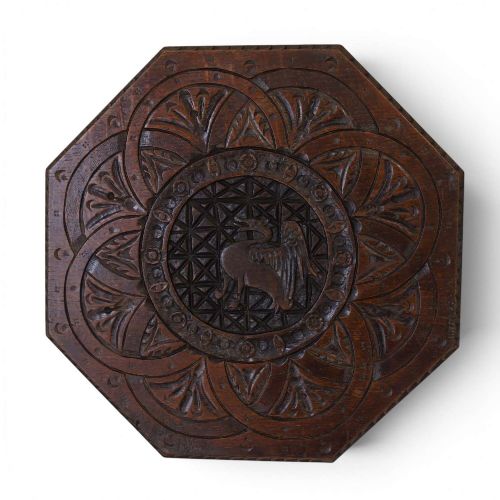
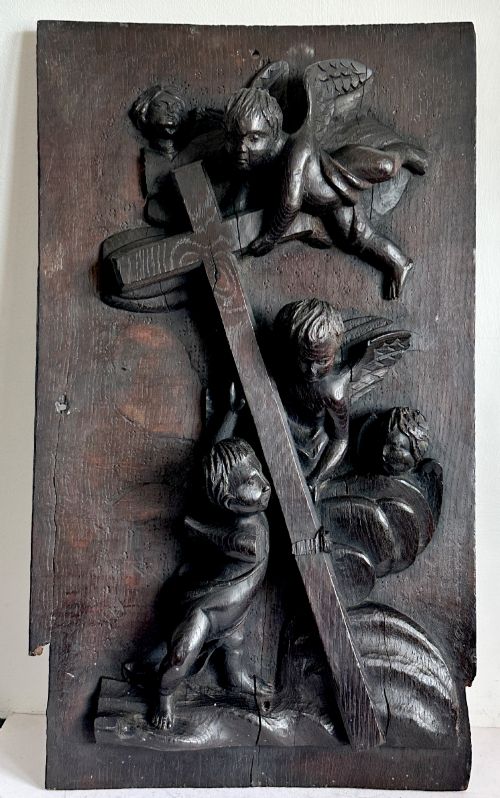
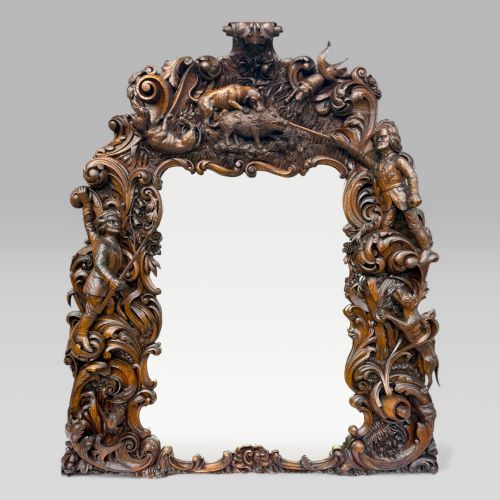
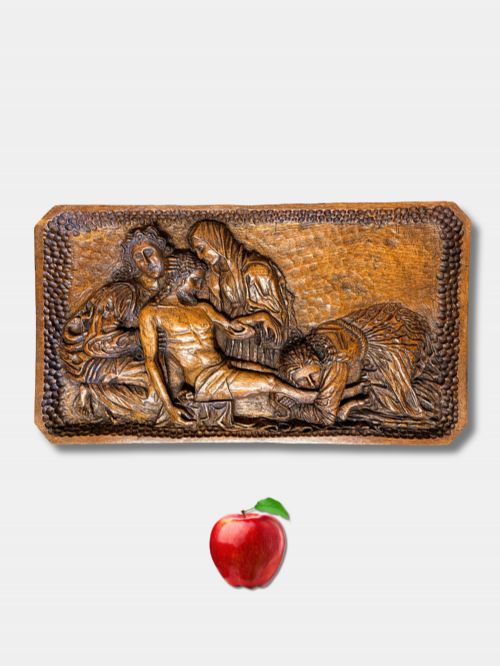
A carved wooden wall relief comprises architectural salvage, figural plaques, and decorative panels fashioned from timber across multiple centuries. Buyers examine pieces ranging from early European oak carvings to Asian temple pediments and nineteenth-century domestic plaques.
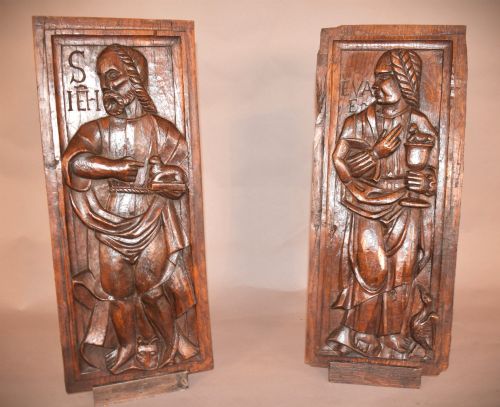
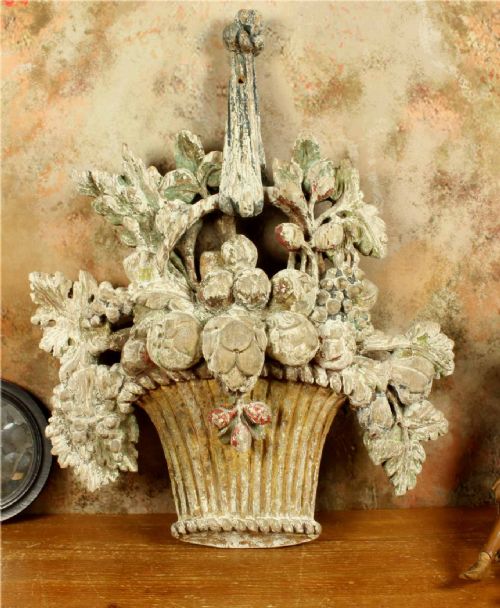
The selection on this page leans heavily toward seventeenth-century oak panels and nineteenth-century decorative plaques, often retaining traces of their original architectural context or domestic placement.
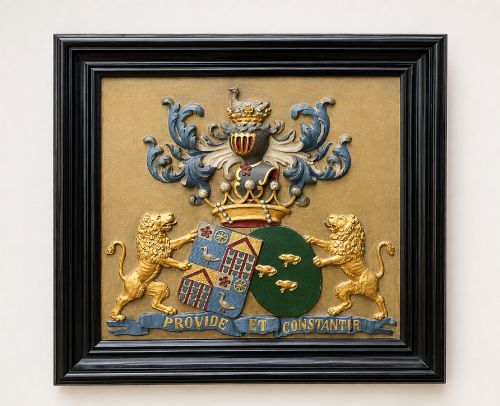
Formats vary widely from diminutive devotional subjects and heraldic marriage plaques to large overmantles, ceiling roses, and temple fragments.
Materials and Technique
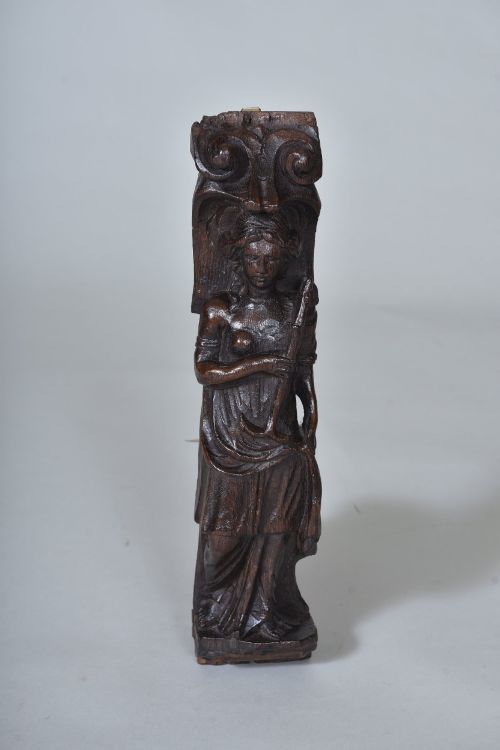
Carvers shaped these works primarily in oak, walnut, chestnut, limewood, and fruitwood using hand chisels and gouges to build high or low relief from solid timber. Dense hardwoods allowed for crisp, intricate detail in figures and scrollwork.
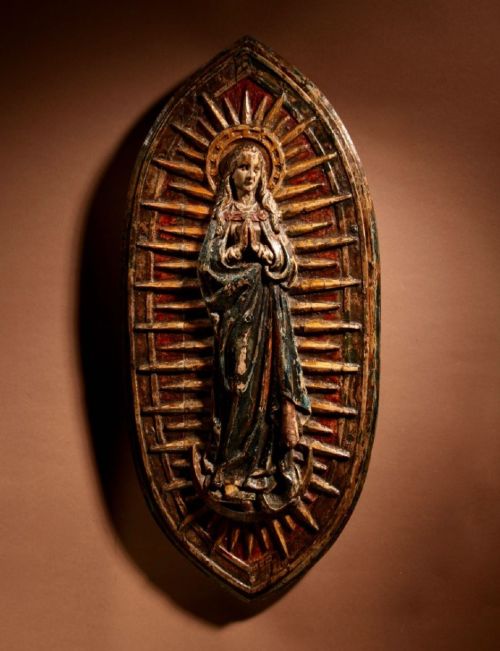
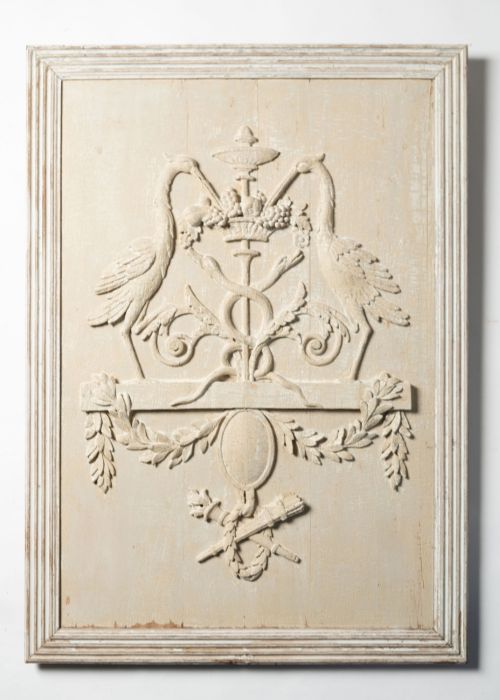
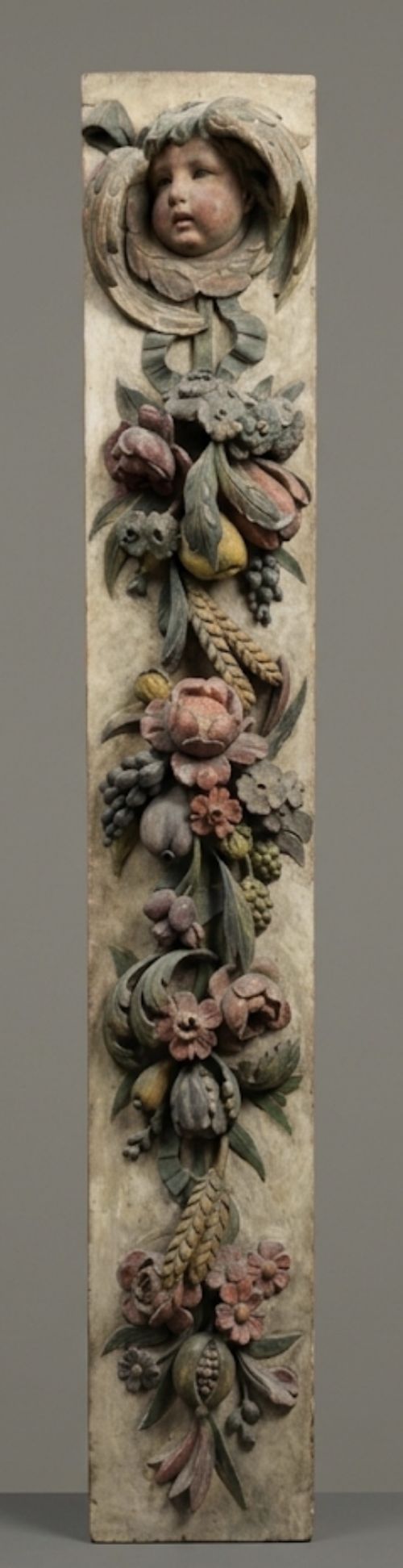
Many surfaces received secondary treatments such as polychrome paint, gesso preparation, lacquer, or application of gold leaf to enhance visual impact and protect the wood. Panels often originated as parts of altarpieces, overdoors, or furniture before conversion into standalone wall art.
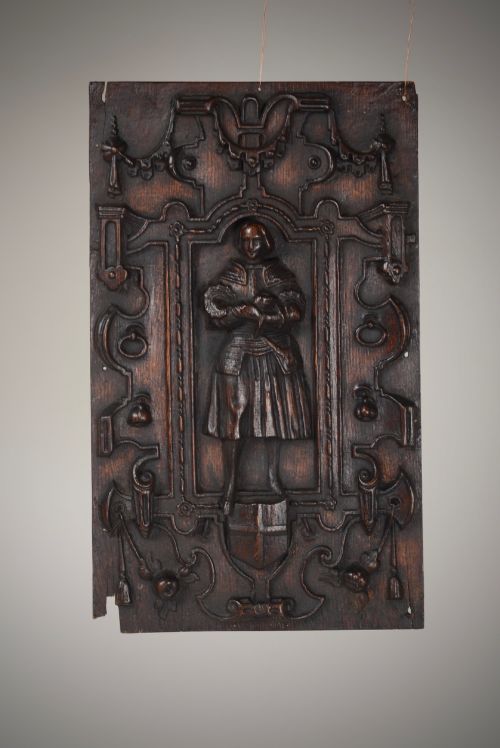
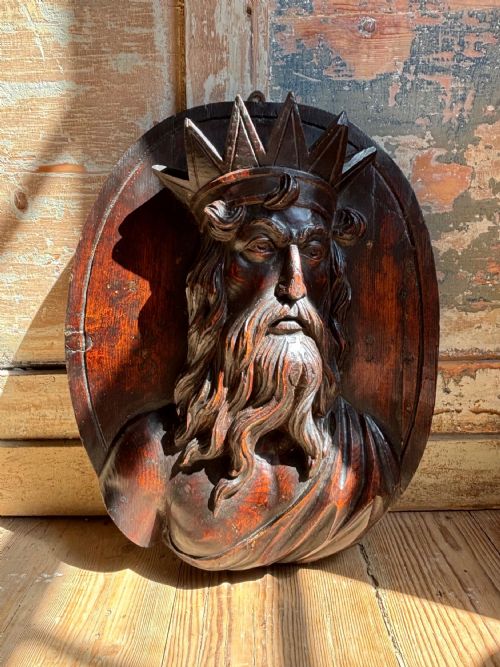
A seventeenth-century panel preserves the solemn gaze of Joan of Arc watching quietly from the timber.
Assessing Quality
Original surface treatments elevate a piece when surviving paint, gilding, or patination remain undisturbed by aggressive stripping. Structural integrity of the timber panel and the clarity of the sculptural subject matter also determine the upper tier of examples.
Van Rijckevorsel & Verheijen·Edward Pearce·Thomas Chippendale
The Carved Wooden Wall Relief Glossary
- Relief
- Sculpture in which figures project from a flat background. High relief projects significantly, while low relief maintains a shallower depth.
- Architectural salvage
- Elements rescued from older buildings, such as overmantles, pediments, and ceiling roses, repurposed for interior display.
- Polychrome
- Decoration employing several colours on a single piece, commonly found on historic wood carvings and religious panels.
- Gesso
- A plaster mixture applied to wood surfaces to prepare them for gilding or painting. It creates a smooth base for delicate detail.
- Gilding
- The application of gold leaf to a wooden surface. This technique highlights carved details with a reflective metallic finish.
Carved Wooden Wall Relief: Frequently Asked Questions
How do I hang a heavy wooden relief safely?
Heavy panels require secure fixings screwed directly into wall studs or load-bearing masonry using heavy-duty mirror brackets or integrated hanging battens.
Because solid oak and chestnut pieces carry substantial weight, professional assessment of the wall structure ensures the relief remains stable over time.
Were these panels originally made for walls?
Many items began life as architectural components, such as overdoors, altarpieces, furniture doors, or ceiling panels, rather than standalone wall art.
Later conversion into wall plaques and art objects is a common practice in the history of interior decoration.
How should I clean and maintain antique wood carvings?
Dust carvings gently with a dry, soft bristle brush to clear crevices without disturbing the wood grain or any historic surface finishes.
Avoid liquid cleaners, polishes, and excessive moisture, which can degrade old paint, wax, or exposed timber over prolonged periods.
How do I distinguish seventeenth-century oak from later copies?
Early oak displays distinct tool marks, shrinkage cracks, and dry, dense timber patination acquired through centuries of oxidation.
Comparing joint construction, peg holes, and the style of the carving helps separate authentic period work from later revival pieces.