
Gothic Revival Carved Panel
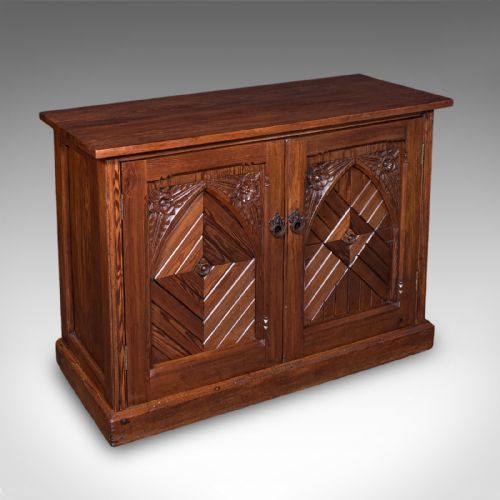
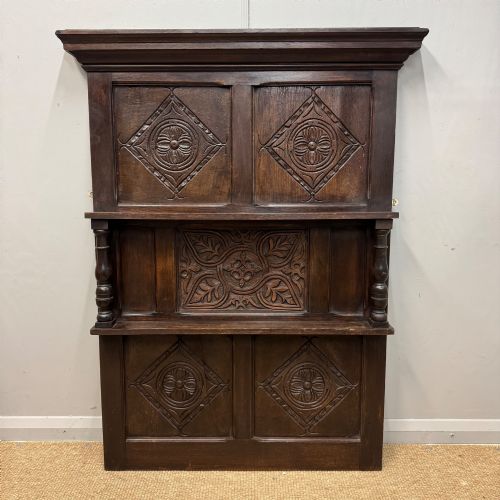
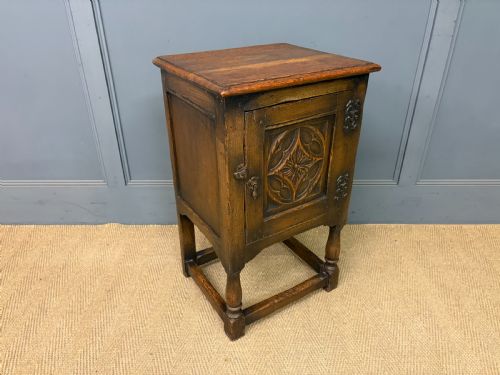
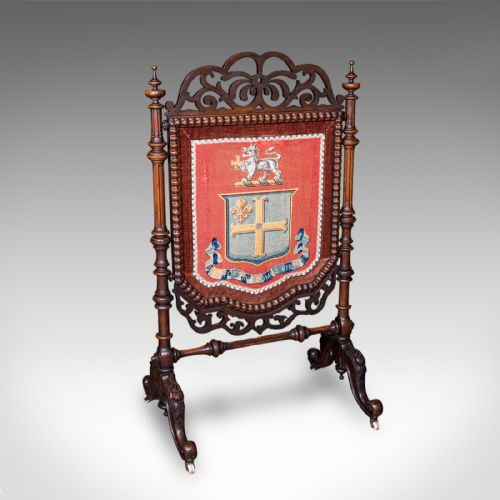
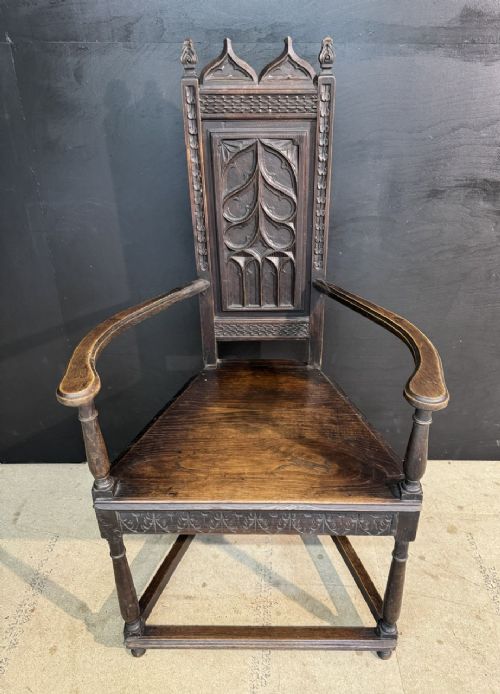
These gothic revival carved panel pieces bring ecclesiastical depth and architectural weight into domestic interiors.
Gothic Revival Carved Panel
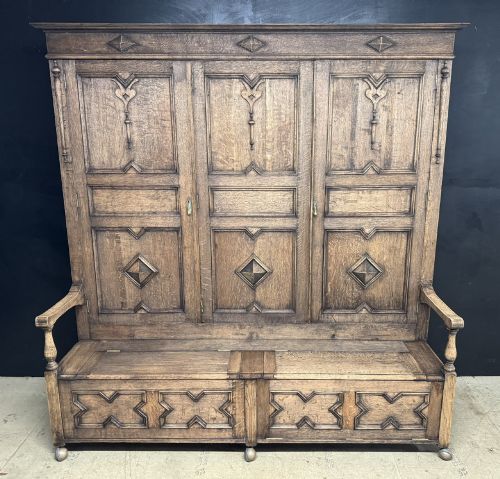
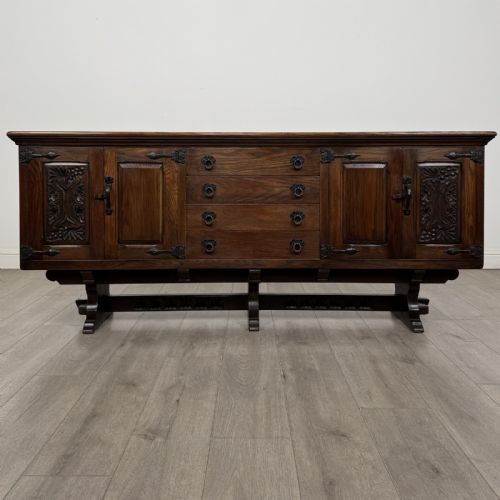
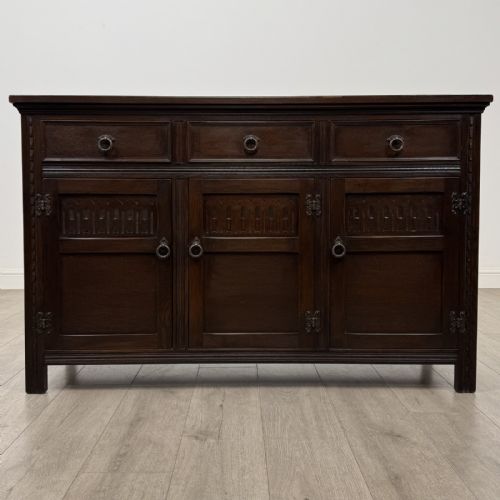
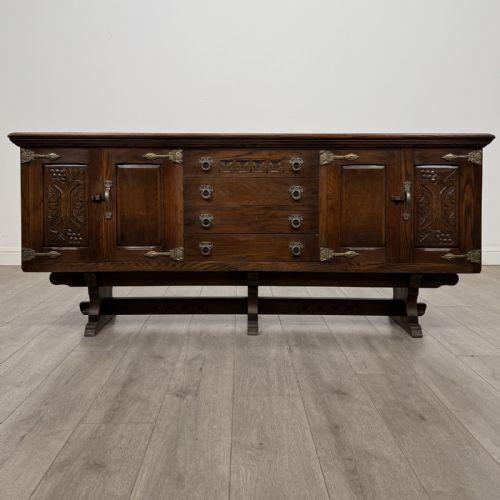
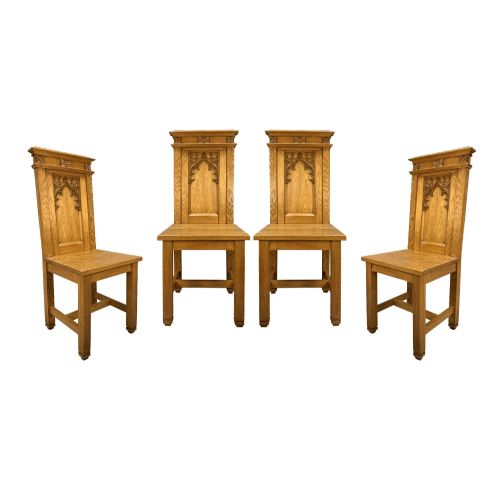
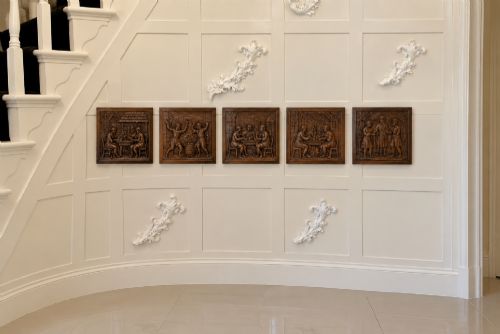
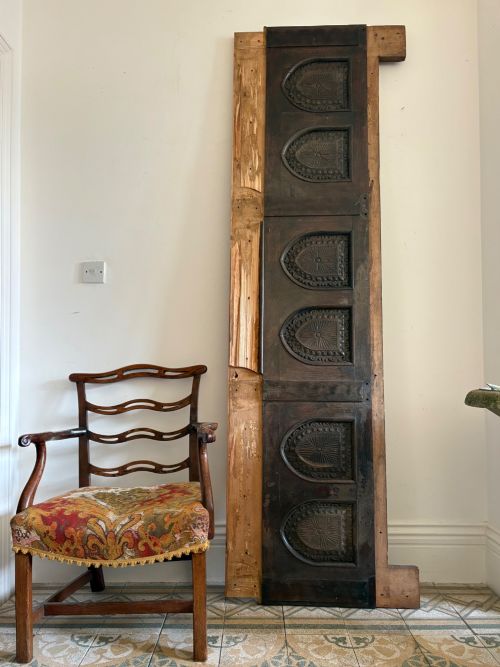
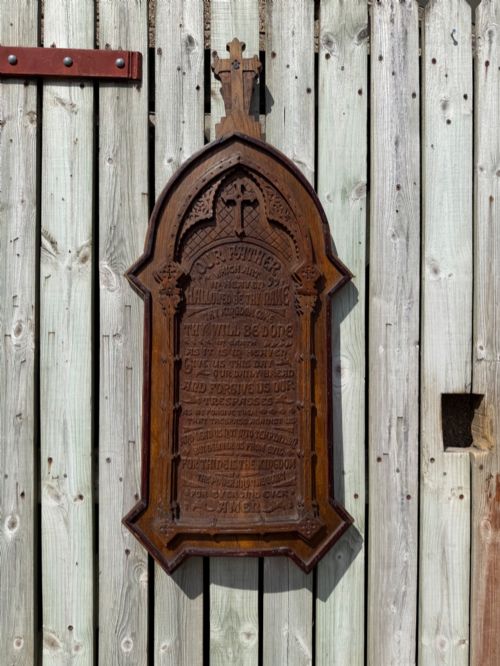
The objects span wall plaques, overmantel inserts, and architectural salvage, alongside larger fittings originally part of furniture or ecclesiastical settings. Originating largely from British and Continental workshops, these items reflect both domestic interior decoration and salvaged church woodwork. The selection leans heavily toward oak, mirroring the historic materials of the medieval originals that inspired them.
Materials and Techniques
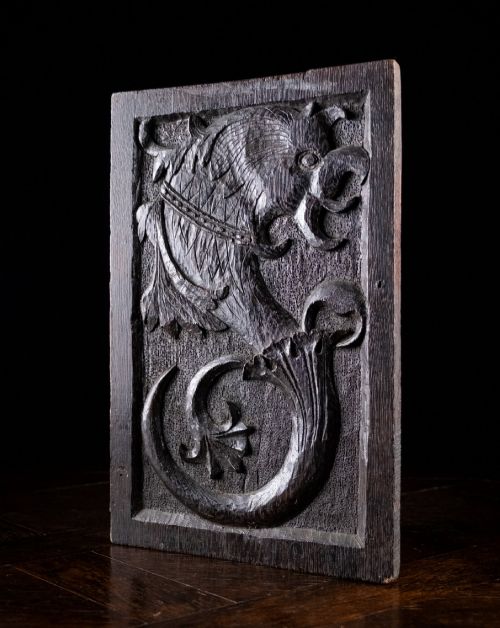
Carpenters and carvers shaped these pieces predominantly from solid oak, walnut, and pine, frequently utilising hand-chiselled relief to achieve deep, shadowed recesses. Surfaces were often left as bare timber to age naturally, though some examples incorporate ebonised wood, pigment, or brass framing to heighten contrast.
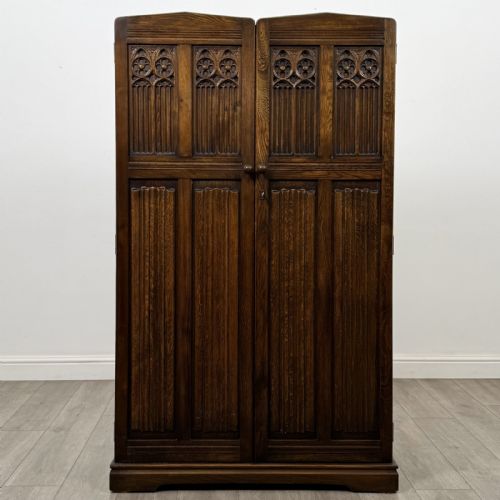
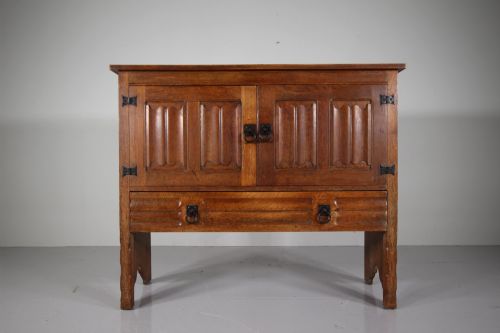
Joinery techniques such as mortise and tenon construction held larger architectural elements together, while intricate details like linenfold, parchemin, and tracery patterns were worked directly into the grain. Carvers relied on traditional gouges and chisels, leaving subtle tool marks that distinguish hand-worked surfaces from later mechanical production.
The archive records pieces spanning the 18th, 19th, and early 20th centuries.
Assessing Quality
The depth and precision of the carving dictate the visual impact, with superior pieces showing crisp undercut details and well-balanced proportions rather than flat, machine-routed outlines. Master carvers achieved naturalistic shadows and expressive depth, whereas lesser examples remain shallow and static.
The choice of timber and the integrity of the surviving material also influence the standard of the object. Dense, mature oak with tight grain holds sharper details over centuries, while secondary woods or heavily repaired structural elements alter the overall cohesion of the piece.
Bruce J. Talbert·Pugin Design
The Gothic Revival Carved Panel Glossary
- Tracery
- Openwork stonework or woodwork ornamentation, typically seen in Gothic windows and echoed on decorative panels. It provides geometric rhythm to the design.
- Linenfold
- A style of wood carving that imitates folded fabric, popular on Tudor panels and revived during the 19th century. This motif creates a textile-like texture across rigid timber.
- Parchemin
- A flat panel carved in low relief to resemble parchment or folded paper. It forms a subtle, geometric background texture in medieval and revival interiors.
- Wainscot
- Wooden panelling applied to the lower portion of interior walls, or the sturdy oak armchairs historically designed to sit against them. These chairs often feature panelled backs.
- Overmantel
- A decorative structure placed directly above a fireplace mantelpiece, frequently incorporating mirrors or carved wooden panels. It acts as a visual focal point in a reception room.
Gothic Revival Carved Panel: Frequently Asked Questions
How were these panels originally used?
Many of these items originated as architectural salvage from churches or grand houses, where they functioned as pew ends, wall linings, or structural screenwork.
Over time, craftsmen adapted them into decorative wall plaques, overmantel inserts, or incorporated them into new cabinets and seating.
How do I hang a heavy wooden panel?
Due to the substantial weight of solid oak and pine, secure wall mounting requires heavy-duty brackets or a French cleat system screwed directly into wall studs.
Consulting a professional installer ensures the piece remains safely supported without damaging the antique timber.
Should I wax or oil the wood?
Applying a neutral beeswax helps nourish dry antique timber and maintains a soft, protective sheen without altering the natural colour of the oak.
Avoid modern liquid polishes containing silicone, which can build up on the carved surfaces and attract dust into the recesses.
How do I distinguish 19th-century revival from older work?
Nineteenth-century pieces often display machine-sawn backing, standardised joinery, and crisp carving styles influenced by Victorian pattern books and industrial methods.
Older examples typically reveal irregular hand- Hewn marks, shrinking distortion in the grain, and historical wear patterns unique to pre-industrial workshops.