


Antique Beast Carving
An antique beast carving brings the fierce energy of mythical creatures and wild animals straight into your interior.
Antique Beast Carving
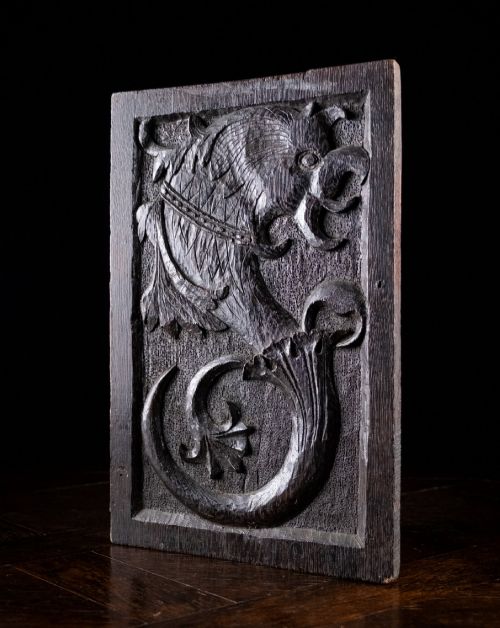
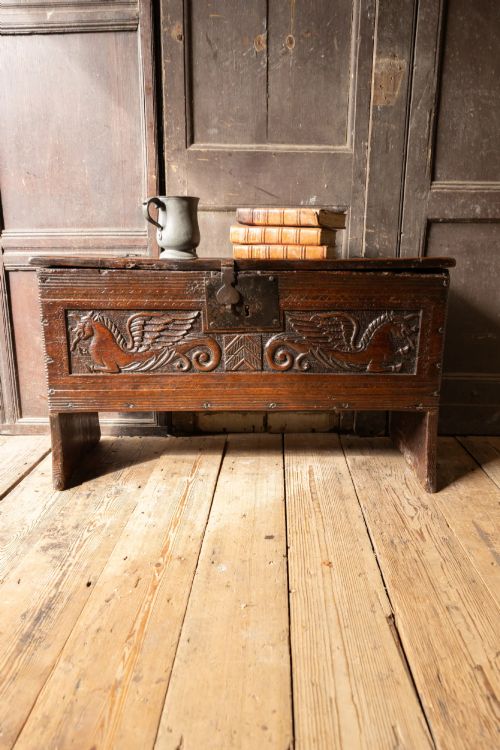
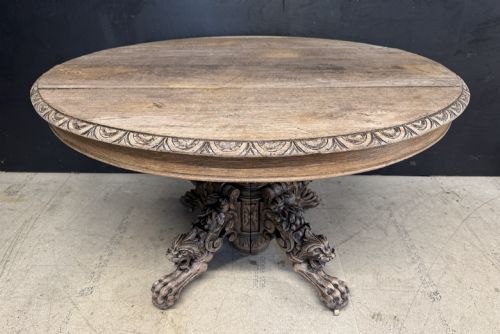
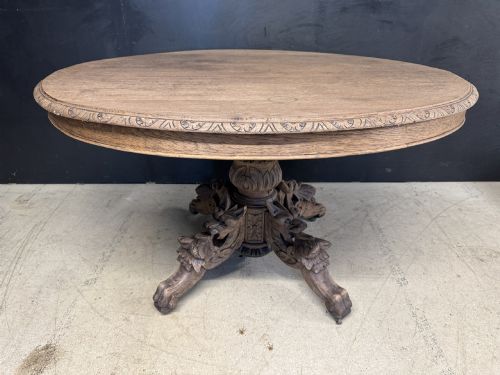
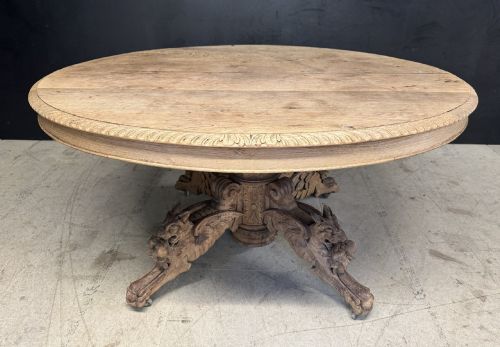
An antique beast carving encompasses wooden panels, bronze censers, stone pendants, and sculptural furniture depicting dragons, griffins, and mythical creatures. These pieces emerge from diverse traditions spanning sixteenth-century English chests, nineteenth-century French hunting tables, and Chinese dynasties.
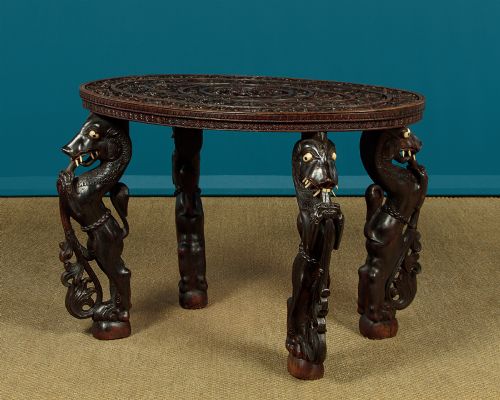
The most common iterations on this page take the form of architectural oak fragments, carved wooden furniture terminals, and Asian jade or bronze artefacts. Buyers encounter crouching dragons, winged fantastic beasts, and green man motifs integrated directly into functional objects and decorative panels.
Materials and Construction
Woodcarvings rely predominantly on English and continental oak, walnut, teak, and bleached hardwoods, shaped using traditional chisels and gouges to build deep relief. Artisans executed these forms with handheld cutting tools that left distinct faceted marks across panels, table edges, and chair terminals.
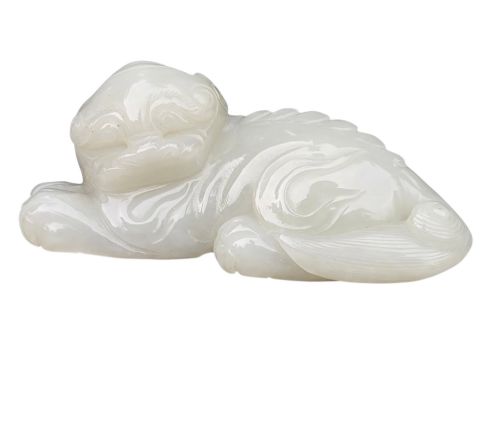
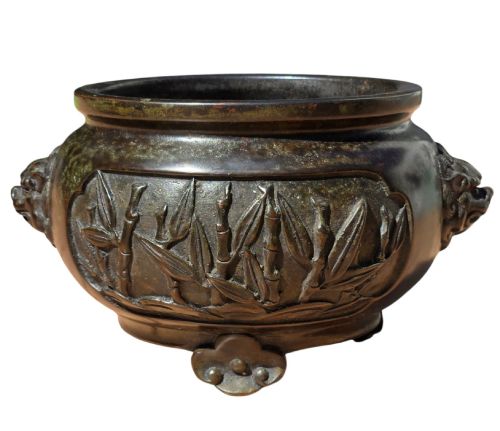
Asian and ritual objects utilise cast bronze, nephrite jade, and hardstone, finished through abrasive grinding, carving, and polishing techniques. Metal vessels employ traditional lost-wax casting methods to achieve intricate surface relief before final patination.
Even a fairground dragon ride fragment finds its way here, proving beasts like to travel.
Markers of Quality
The distinction between ordinary and superior work lies in the anatomical vigour and depth of the carving. Master carvers render muscle tension, feathered wings, and facial expressions with sharp precision and convincing movement rather than rigid symmetry.
Material selection and proportion dictate the upper tier of objects, where dense timbers or high-grade jades retain crisp edges over centuries of handling. Surface preservation also matters, as untouched original patinas and minimal past restoration maintain the integrity of the piece.
Luigi Frullini
The Antique Beast Carving Glossary
- Griffin
- A mythical creature with the body of a lion and the head and wings of an eagle. This motif frequently appears on nineteenth-century furniture terminals and architectural panels.
- Pixiu
- A Chinese mythical hybrid creature considered a symbol of wealth and protection. These appear carved from jade and hardstone across various historical periods.
- Censer
- A vessel used for burning incense during ritual or domestic practices. Bronze examples often feature cast relief panels depicting natural or mythical scenes.
- Hunting Table
- A sturdy wooden table, often in French styles, decorated with carved game or forest motifs. These pieces typically utilise heavy oak construction.
- Terminal
- A decorative figure or bust that terminates in a pilaster, pedestal, or furniture leg. Carved wooden griffins frequently serve this structural purpose.
Antique Beast Carving: Frequently Asked Questions
Where were these carvings made?
These pieces originate from diverse workshops across Europe, Britain, and Asia. European examples often reflect Gothic or Renaissance revival styles, while Asian pieces stem from dynastic traditions.
Regional differences in wood species and casting techniques help pinpoint the geographic origin of each specific object.
How should I care for wooden beast carvings?
Maintain stable indoor humidity and temperature levels to prevent timber from drying, splitting, or warping over time. Keep wooden surfaces away from direct sunlight and heat sources.
Dust gently with a dry, soft cloth and avoid applying modern chemical polishes that can damage the historical patina.
Are these pieces functional or decorative?
Many items serve a dual purpose as both functional furniture and sculptural art. Tables, chairs, and chests incorporate carved beasts into their structural framework.
Other items function purely as decorative wall panels, pendants, or ritual vessels designed for display and contemplation.