


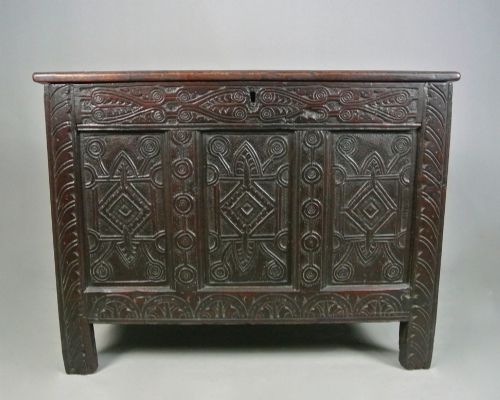
Carved Wood Panel
A carved wood panel brings tactile depth and centuries of workshop tradition directly to a room through relief work and timber.
Carved Wood Panel
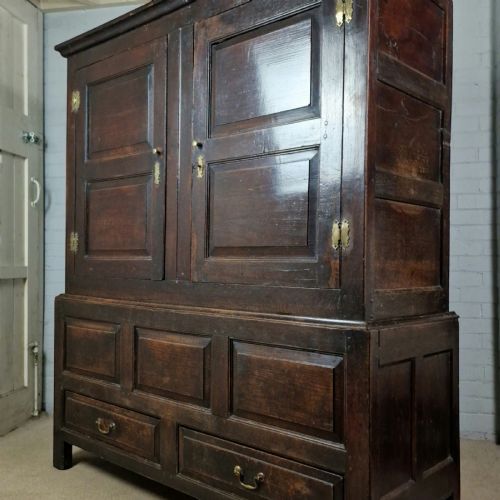
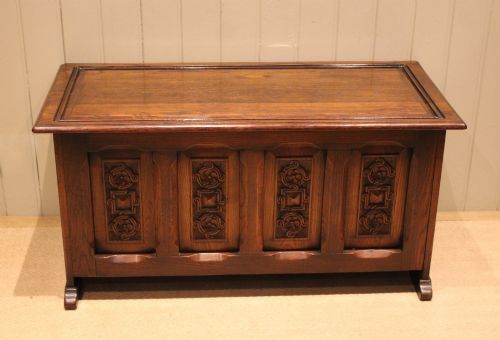
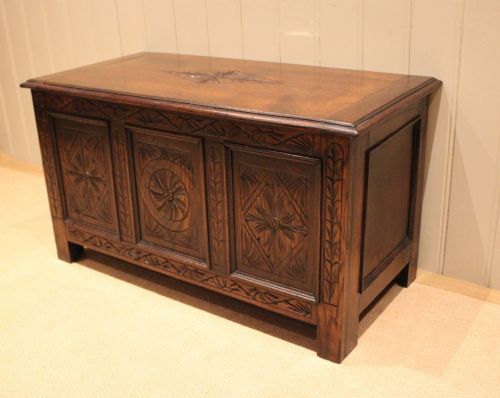
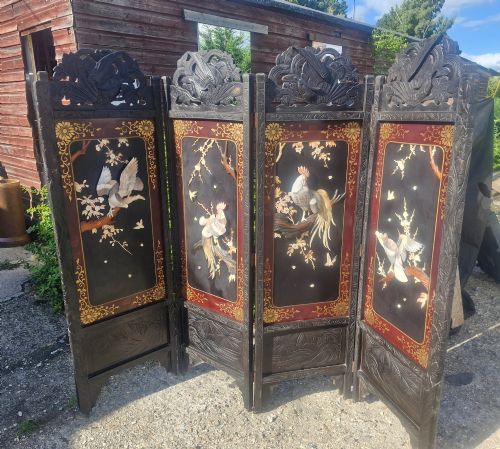
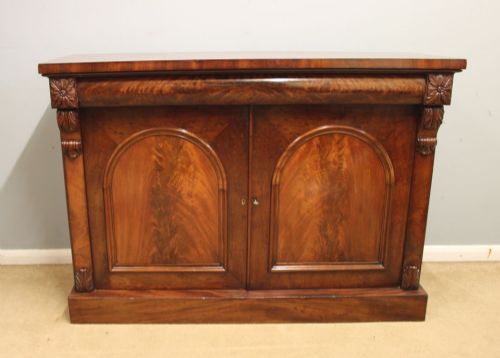
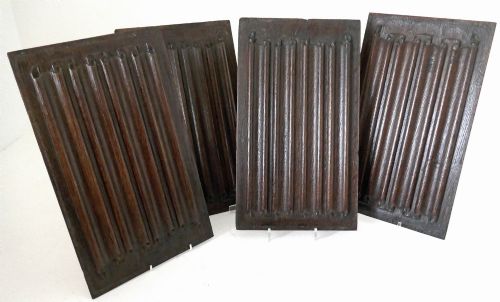
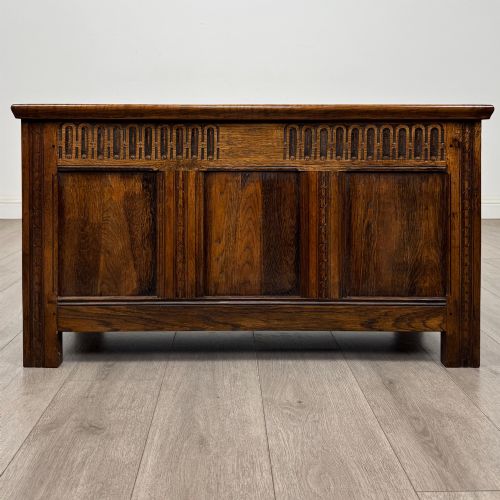
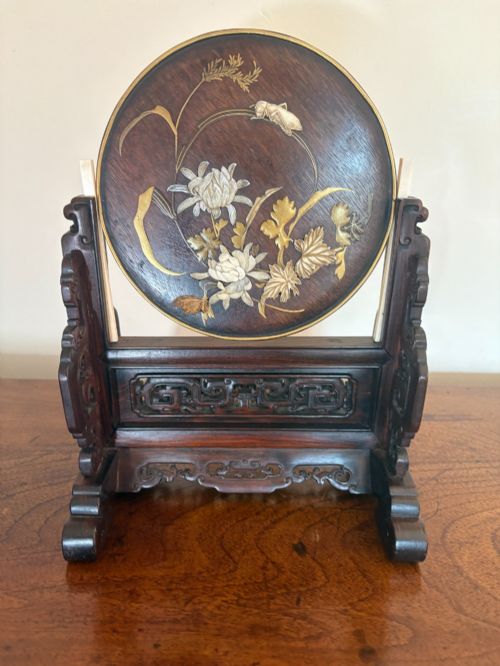
A carved wood panel encompasses architectural fragments, wall plaques, furniture insets, and framing elements drawn from domestic interiors and religious settings alike. Buyers encounter pieces ranging from sixteenth-century linenfold designs and seventeenth-century oak coffers to nineteenth-century oriental temple carvings and European limewood reliefs.
The selection moves fluidly between structural elements salvaged from larger pieces of furniture and standalone decorative panels intended specifically for display on interior walls. Oak and various hardwoods dominate the domestic items, while limewood and softer exotic timbers typically support intricate figurative or botanical carving.
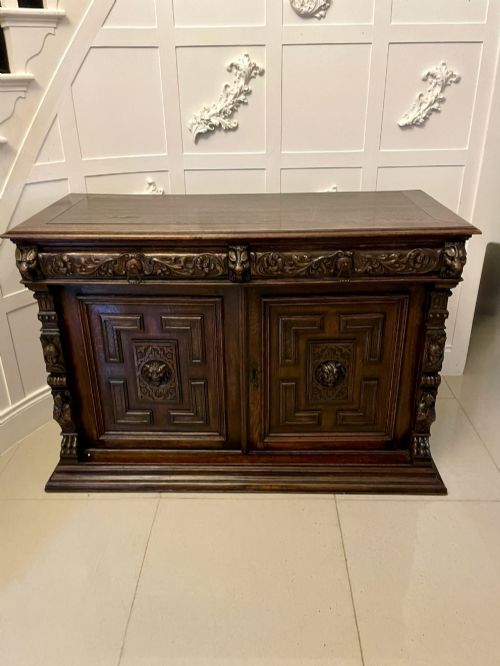
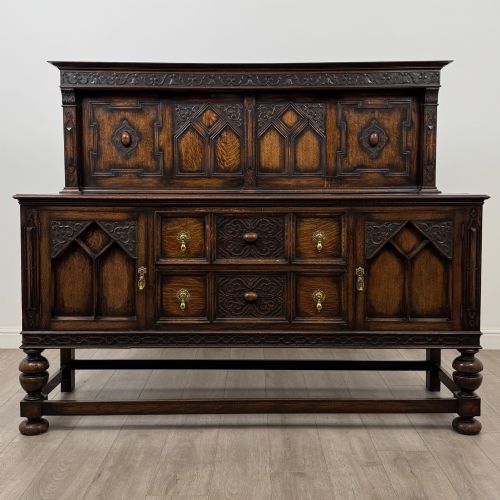
Origin and period dictate the visual language, connecting sixteenth-century ecclesiastical motifs with later revivalist movements and distant stylistic traditions. These works survive as independent wall art or as integrated components of larger historical pieces such as sideboards, screens, and coffers.
Materials and technique
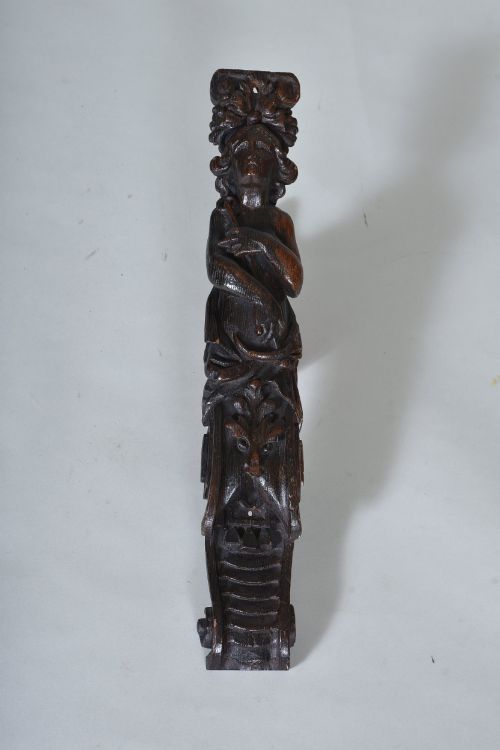
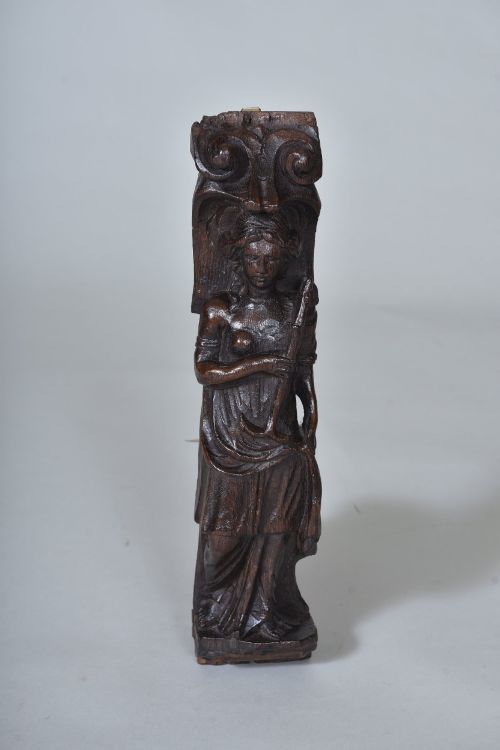
Timber selection fundamentally governed how a carver approached the blank stock, with dense European oak and mahogany providing rigid grounds for geometric linenfold and architectural strapwork. Softer woods like limewood and boxwood allowed craftsmen to execute deep undercut relief work, delicate floral tendrils, and expressive human figures without splitting the grain.
Hand tools including gouges, chisels, and mallets shaped the surface directly, leaving subtle tool marks across the timber that distinguish authentic historic relief work from later machine routing. Secondary materials such as gesso, brass accents, and gilt layers frequently enhanced specific details, adding contrasting texture and luminosity to the raw carved wood.
Listings feature carved panels spanning from the sixteenth century to the early twentieth century, executed in oak, limewood, mahogany, and brass.
Assessing craftsmanship
Depth of relief and sharpness of undercut details separate exceptional carving from mechanical execution, revealing the carver's command over perspective and spatial volume. Superior examples maintain crisp anatomical proportions and clean surface finishing, whereas lesser pieces display muddled transitions and generalized contours.
The integrity of the timber ground and the preservation of the original surface patination heavily influence the standing of any given piece. Unrestored panels that retain their early tool signatures and natural wax accumulation command greater appreciation than heavily sanded or chemically stripped surfaces.
The Carved Wood Panel Glossary
- Linenfold
- A style of relief carving originating in the fifteenth century that imitates vertical folds of fabric or linen. It frequently appears on sixteenth-century panels and coffer fronts.
- Relief
- Sculptural technique where figures or ornamentation project from a flat background. High relief stands out sharply from the plane, while low relief remains close to the surface.
- Gesso
- A plaster-like mixture applied to wood surfaces as a preparation for gilding or paint. It provides a smooth ground for decorative finishing.
- Giltwood
- Timber that has been coated with gold leaf or metallic powder over a prepared ground. It appears frequently on decorative screens and temple panels.
- Padouk
- A dense tropical hardwood displaying rich reddish-brown colouration. It provides a stable and durable medium for detailed overseas joinery.
- Folk art
- Utilitarian or decorative objects created by self-taught makers working outside formal academic traditions. These pieces often feature idiosyncratic regional motifs.
Carved Wood Panel: Frequently Asked Questions
How were these panels originally used?
Many panels functioned as structural elements within larger architectural schemes, forming the walls of church altarpieces, domestic wainscoting, or furniture cabinetry like coffers and sideboards.
Others served a purely decorative purpose as wall plaques, devotional reliefs, or folding screens designed to divide interior spaces.
How should I hang a heavy wooden panel?
Heavy panels require secure wall anchoring that distributes the weight evenly across internal framing studs rather than relying solely on surface plaster.
Professional mirror plates or hidden French cleats provide stable mounting systems that keep the historic timber flush against the wall.
Can I tell the age from the carving style?
Stylistic markers such as sixteenth-century linenfold, seventeenth-century strapwork, or nineteenth-century Gothic revival motifs offer primary clues to a panel's date of origin.
Tool marks, timber shrinkage, and the natural oxidation of the wood surface help corroborate the period suggested by the decorative style.
How do I care for antique carved timber?
Maintain stable indoor humidity levels and keep panels away from direct heat sources to prevent the wood from drying out and splitting over time.
Dust gently with a soft dry brush and apply a microcrystalline wax sparingly only when the surface appears dry to the touch.