
Antique Architectural Wood Salvage
Antique architectural wood salvage brings the weight of centuries into a room, offering panels, carvings and brackets rescued from older buildings.
Antique Architectural Wood Salvage
When buyers search for antique architectural wood salvage, they encounter fragments and fittings removed from historic interiors and facades, spanning centuries of craftsmanship.
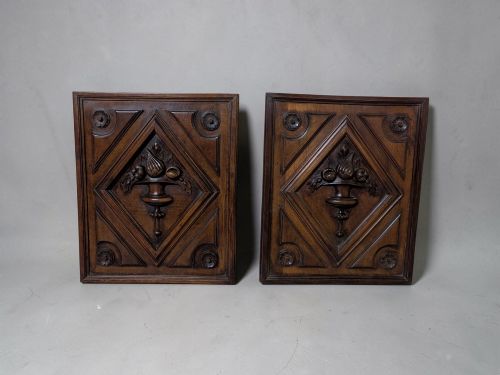
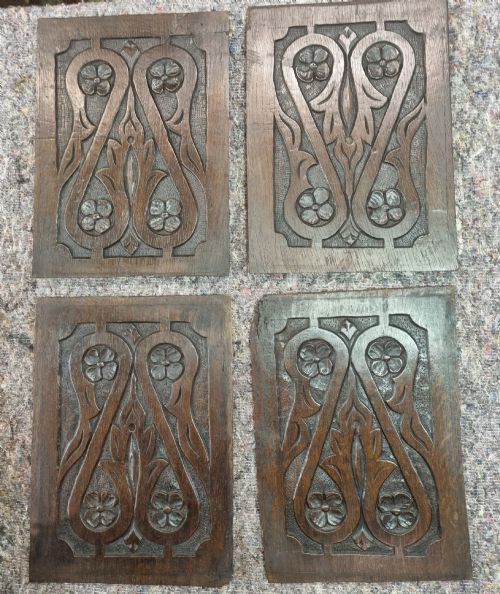
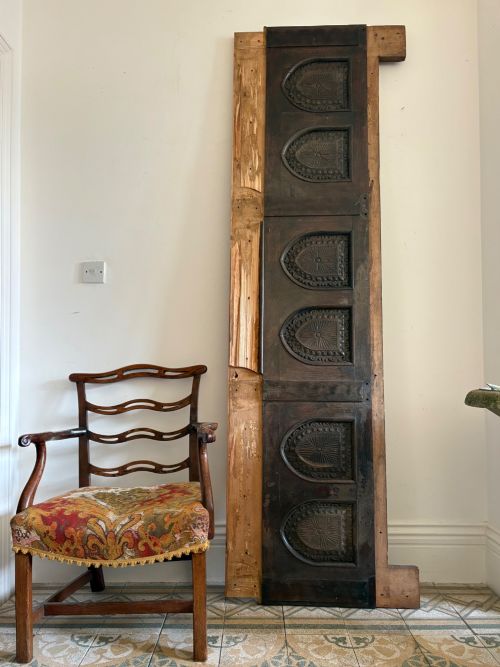
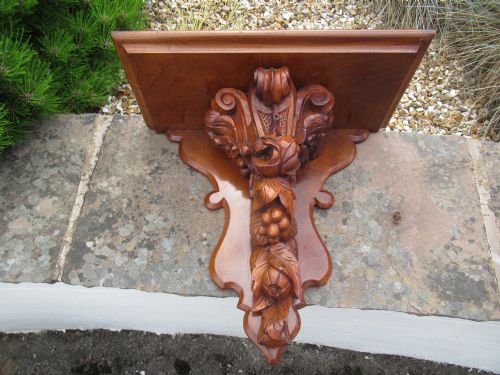
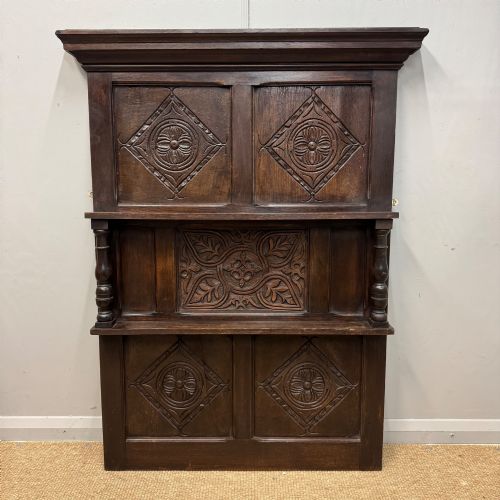
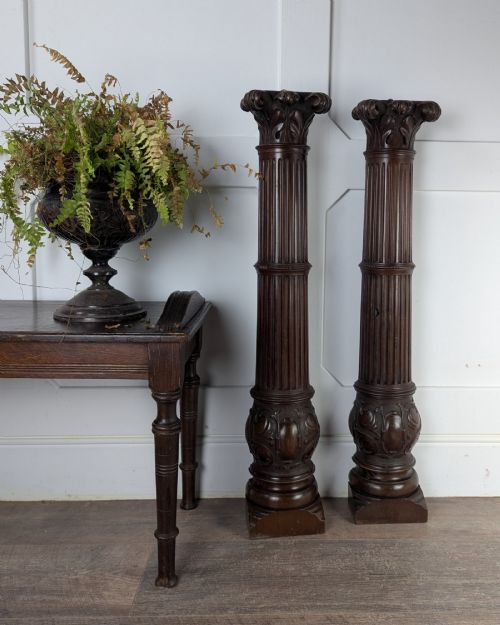
The selections available here rely heavily on oak panels, timber brackets, and overmantels originating from the sixteenth, seventeenth, and eighteenth centuries.
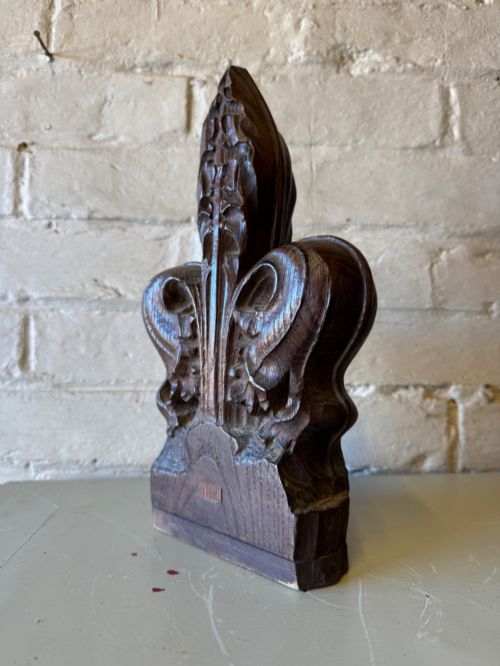
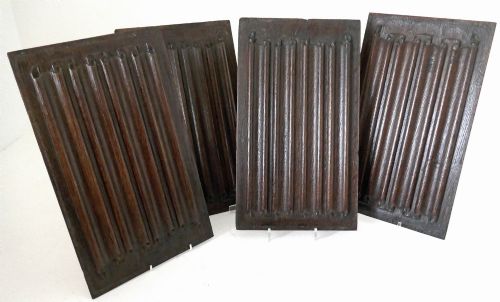
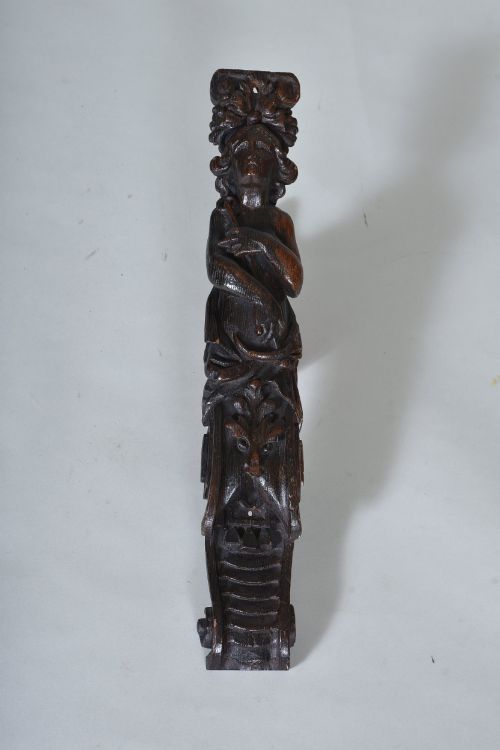
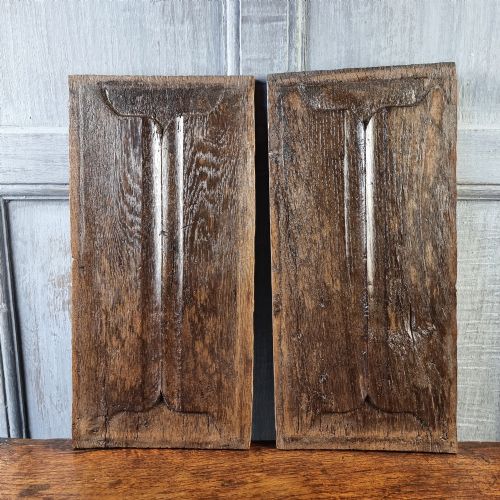
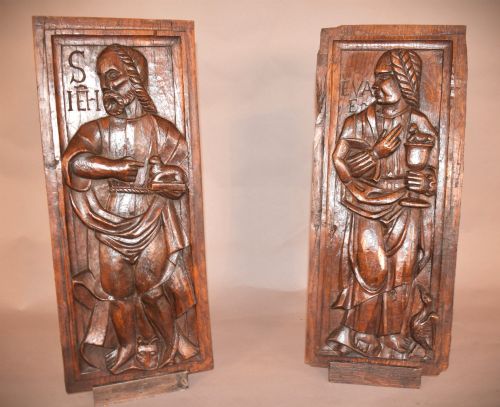
Many of these pieces take the form of linenfold panels, carved church fragments, and decorative pediments, each carrying the marks of its original structural context.
How they were made
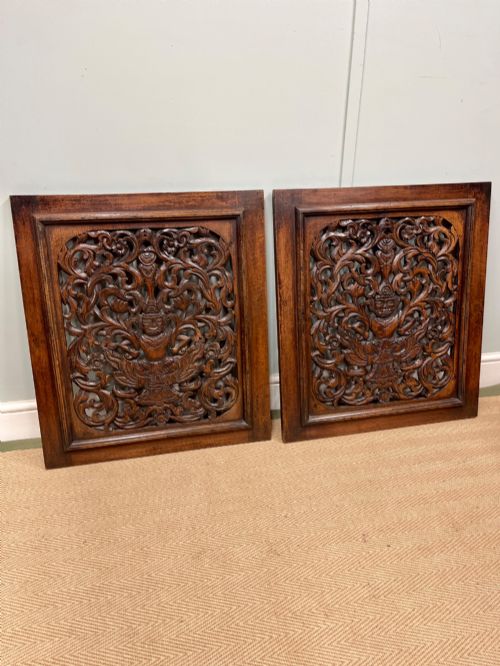
Carpenters and carvers shaped these pieces using native hardwoods such as oak, walnut, and pine, often applying hand tools to build up deep relief carvings.
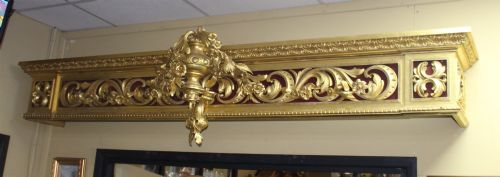
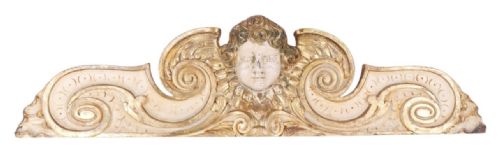
Surfaces frequently received secondary treatments like gesso, gold leaf, or polychrome paint, adding colour and texture to the timber beneath.
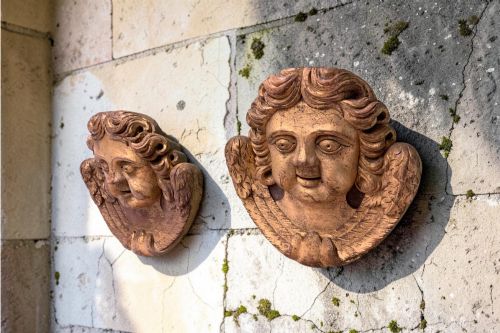
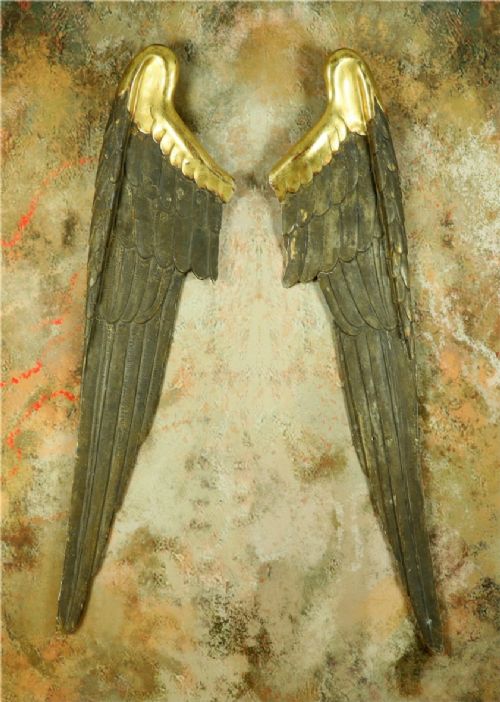
A sixteenth-century Flemish oak fragment survives here alongside carved angel wings and oversized lions, watching the room from another era.
What varies in quality
Depth of carving and clarity of detail separate standard architectural fragments from exceptional examples, particularly in works featuring gothic tracery or figurative elements.
The integrity of the original material and the retention of early surface treatments, such as original paint or gilding, heavily influence the character of each piece.
D.J. McLauchlan·Thomas Chippendale
The Antique Architectural Wood Salvage Glossary
- Linenfold
- A style of wood panel carving popular in the Tudor period, designed to resemble folded parchment or linen.
- Overmantel
- A decorative panel, carving, or mirror frame placed directly above a fireplace mantelpiece.
- Pelmet
- A wooden architectural board fitted above a window or doorway, often ornately carved or moulded.
- Gesso
- A plaster-like mixture applied to wood surfaces as a smooth base for painting or gilding.
Antique Architectural Wood Salvage: Frequently Asked Questions
How were architectural panels originally used?
These panels lined the walls of important chambers, churches, and civic buildings, providing both insulation and decorative status.
Over time, many interiors were dismantled, allowing individual panels and carvings to be salvaged and repurposed in later homes.
Can antique wood salvage be hung on walls?
Many lighter panels and brackets come ready for wall mounting as decorative art objects rather than structural elements.
Heavier architectural fragments require secure fixing directly into wall studs due to the dense weight of the solid timber.
How do I identify sixteenth century oak?
Early oak displays distinct medullary rays, often called silver grain, visible across the surface from quarter-sawing techniques.
Hand-cut joinery marks and the deep patina built up over hundreds of years further distinguish sixteenth century work.
Are painted wooden panels original?
Many panels retain historic layers of paint, polychrome decoration, or gesso applied decades or centuries after initial creation.
Examination of the pigment layers and underlying wood helps determine whether the surface finish dates to the period of the piece.