




Antique Timber Wall Decor
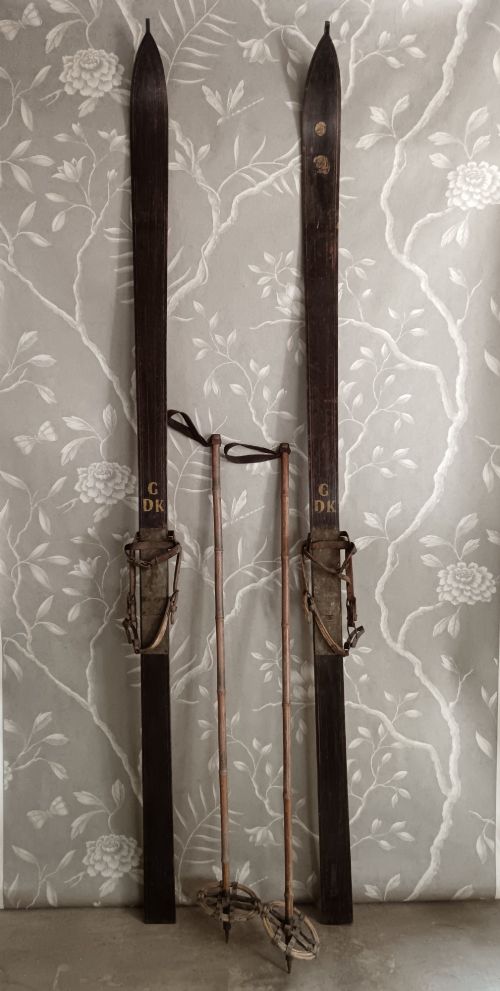
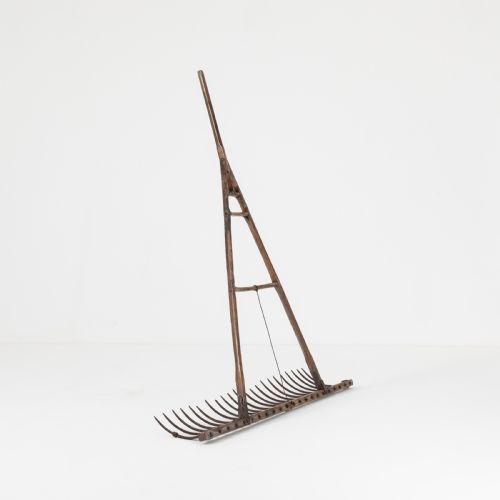
These pieces of antique timber wall decor bring centuries of carved wood, painted panels and maritime salvage directly into your rooms.
Antique Timber Wall Decor
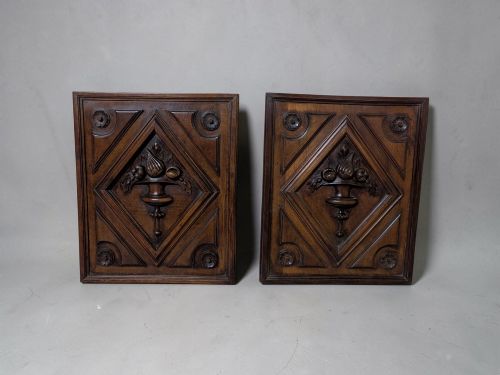
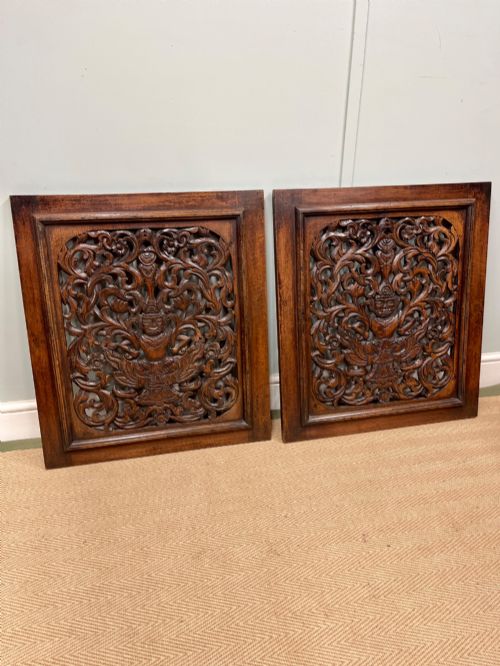
When you search for antique timber wall decor, you encounter a diverse selection of wooden objects shaped for interior display across the centuries. The inventory ranges from 17th century baroque carved oak panels and 18th century architectural fragments to 19th century carved wall plaques and early 20th century fairground boards.
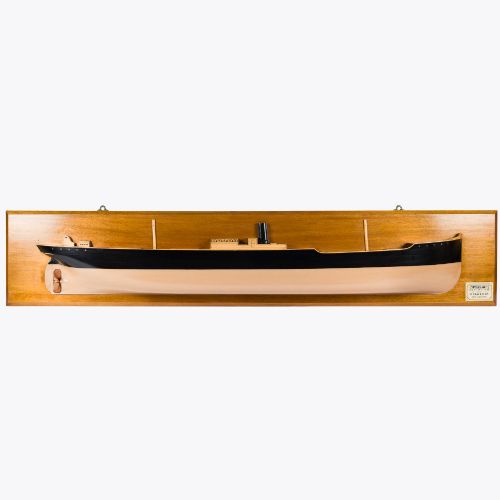
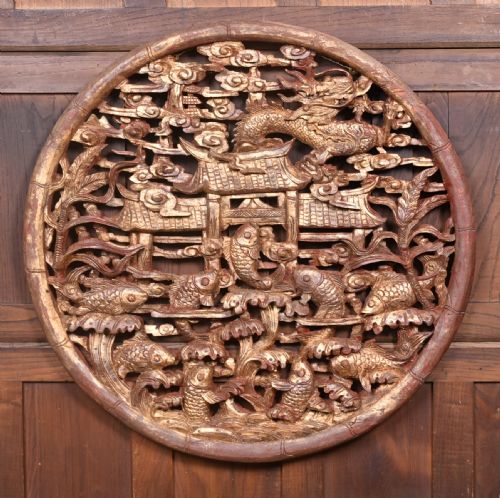
The most common forms on this page include carved wooden panels, painted plaques, mirrors, half hull models, and architectural salvage. These items originate from domestic, maritime, and ecclesiastical contexts, each bringing a distinct texture of past utility into a contemporary setting.
Materials and Craftsmanship
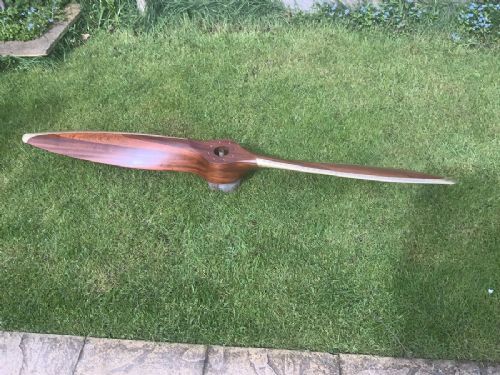
Makers utilised solid timbers such as oak, mahogany, walnut, ash, and burr walnut, shaping them primarily through hand carving, joining, and turning. Many surfaces retain original paint, gilding, or polished finishes applied to highlight the natural grain and carved relief.
Structural elements frequently incorporate iron brackets, glass mirrors, or brass fittings alongside the primary wood. Architectural fragments and panels rely on traditional mortise and tenon joinery or deep relief carving executed with gouges and chisels.
Listings feature wood, paint, iron, and glass across periods spanning the 17th century through to the mid-20th century.
Assessing Quality and Execution
Quality in these wooden pieces rests upon the depth, sharpness, and fluidity of the carving. Master carvers achieved crisp undercut foliage, expressive animal forms, and balanced compositions that distinguish superior workshop output from routine production.
The survival of original surface treatments, such as early paint layers, natural patination, and original giltwood, heavily influences the integrity of the piece. Crisp architectural details and well-preserved joinery separate significant historical examples from later adaptations.
L.H. Hagen & Co·W. Grey & Co·Christoffel Bisschop·Raimond Louis Lecourt·C W Tuck
The Antique Timber Wall Decor Glossary
- Acanthus
- A carved ornamental motif derived from the Mediterranean plant, heavily utilised in classical and baroque woodwork. It appears frequently in curled leaf relief on 17th and 19th century panels.
- Cartouche
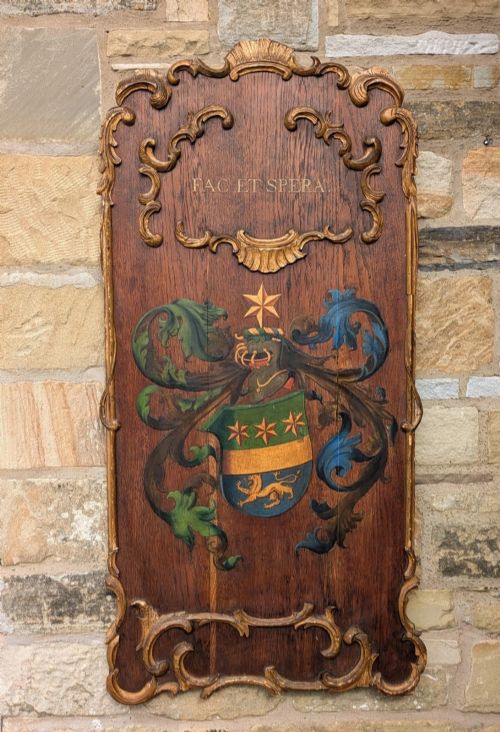
- An ornamental tablet or panel framed with scrolled or carved edges, often bearing an emblem or inscription. These frequently appear on early automotive or armorial wall fixtures.
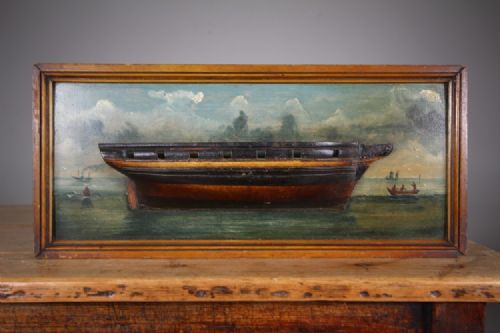
- Diorama
- A three-dimensional scene housed within a shallow box or frame, combining painted backgrounds with miniature figures or models. 19th century examples often depict maritime subjects.
- Half hull model
- A scale model representing one side of a ship's hull, built by shipbuilders to test designs or display vessel profiles. These are mounted on wooden backboards for wall display.
Antique Timber Wall Decor: Frequently Asked Questions
How do I hang heavy wooden wall panels safely?
Heavy carved oak panels and architectural salvage require secure fixings anchored directly into wall studs or masonry. Utilise robust metal brackets or French cleats rated to support the specific weight of the timber.
Ensure the hanging hardware engages with the internal structure of the panel rather than superficial trim. Professional installation is recommended for oversized pieces like cart doors or large mirrors.
How should I clean antique wood wall art?
Remove surface dust gently using a soft, dry brush or a clean microfibre cloth. Avoid commercial liquid polishes, synthetic sprays, or water, which can damage aged finishes and original paint.
If grime accumulation requires intervention, consult a professional restorer to preserve the underlying patina. Maintaining a stable indoor humidity level prevents the timber from splitting.
What is the difference between architectural salvage and decorative wall panels?
Architectural salvage consists of structural elements removed from buildings, such as cart doors, yokes, or fragments of ecclesiastical woodwork. These items served a primary structural or functional purpose before repurposing.
Decorative wall panels were created specifically as ornamental items for interior display, such as Black Forest plaques or framed artwork. Both categories utilise similar carving techniques but originate from distinct contexts.
How can I tell the age of a carved wooden panel?
Inspect the back of the timber for tool marks, seasoning splits, and the method of construction. Hand-cut joinery, adze marks, and shrinkage patterns indicate earlier production periods.
Compare the style of the carving, such as baroque acanthus leaves or Victorian naturalism, with established design periods. Examining the wear around fixing points provides further clues regarding historical use.