


Floral Urn Carved Wood
These floral urn carved wood pieces bring classical motifs and carved timber into your rooms, offering sturdy pedestals and decorative wall panels.
Floral Urn Carved Wood
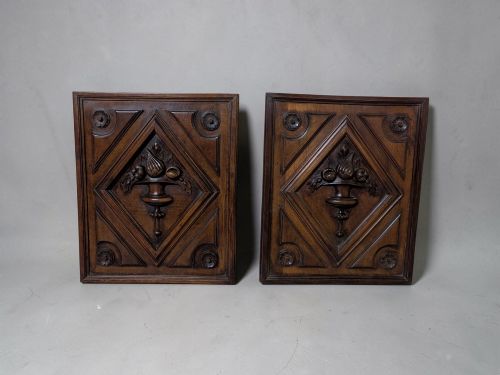
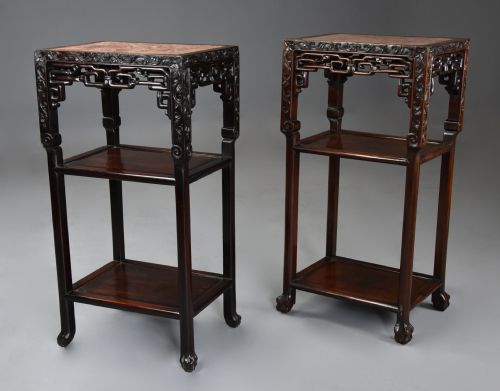
Floral urn carved wood items encompass plant stands, jardiniere supports, and decorative wall panels drawing on Neoclassical and Renaissance revival vocabulary. You will frequently encounter freestanding Chinese hardwood pot stands topped with marble alongside Victorian plant tables.
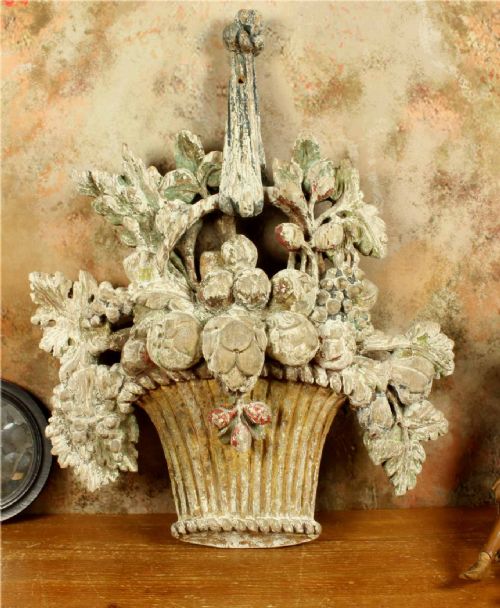
The forms serve practical display functions as vase stands or wine tables while introducing carved floral and urn motifs to domestic interiors. Wall reliefs and hanging flower basket carvings provide alternative decorative options beyond freestanding furniture.
Origins span nineteenth-century British workshops and Chinese export production centres, creating a diverse selection of timber forms. Mahogany, oak, and Hongmu feature prominently across the various stands and panels.
How they were made
Cabinetmakers utilised hardwoods including mahogany, oak, and dense Chinese hardwoods for structural stability in plant stands and pedestals. Hand carving shaped the timber into floral reliefs, urns, and intricate baskets.
Marble inserts were integrated into table tops to provide a durable, water-resistant surface for plants and jardinieres. Polychrome paint occasionally enhanced decorative panels and wall art.
Joinery techniques varied between British revival furniture and Chinese export production, utilising traditional frame and panel construction.
Victorian households loved plant stands so much they invented dedicated tables just to keep ferns from getting lonely.
What varies in quality
Depth and precision of the hand carving dictate the aesthetic merit of each panel or stand, separating mechanical execution from skilled artistry. Crisp floral details and well-defined urn contours indicate superior craftsmanship.
Selection of timber and the quality of the marble inset influence the physical presence and durability of plant stands. Dense hardwoods and well-figured mahogany represent the upper end of material choice.
Proportion and structural integrity determine how successfully a stand supports heavy jardinieres or functions as a display surface.
The Floral Urn Carved Wood Glossary
- Jardiniere stand
- A tall pedestal or small table specifically designed to support a heavy flower pot or ceramic bowl. These stands often incorporate marble tops to protect the wooden structure from moisture.
- Hongmu
- A dense, dark Chinese hardwood frequently utilised for nineteenth-century export furniture and plant stands. The timber accepts intricate hand carving exceptionally well.
- Neoclassical
- A style drawing inspiration from classical antiquity, featuring symmetrical urn motifs, swags, and architectural proportions. This aesthetic heavily influences nineteenth-century carved panels and stands.
- Wall relief
- A sculptural wall hanging where figures or floral arrangements project from a flat background. These carved wooden pieces include flower baskets and decorative plaques.
- Tole
- Painted sheet metal shaped into decorative elements such as flowers, paired with carved wooden urns. This technique combines metallic foliage with carved timber supports.
Floral Urn Carved Wood: Frequently Asked Questions
What is a jardiniere stand used for?
A jardiniere stand provides an elevated surface for displaying potted plants and ceramic flower bowls inside domestic spaces. The raised position protects flooring and showcases trailing foliage.
Many examples feature marble inserts on the table top to prevent water damage from damp pots. They also function as occasional lamp tables or display pedestals for decorative objects.
How do I identify Chinese export plant stands?
Chinese export plant stands typically utilise dense Asian hardwoods such as Hongmu and incorporate inset marble tops. The carving often reflects traditional eastern motifs combined with nineteenth-century Western display requirements.
Construction methods and timber selection distinguish these pieces from contemporary British revival furniture found in the same period.
Where should I place a carved wall panel?
Carved wooden wall panels and floral reliefs suit principal living areas, hallways, or dining spaces where architectural detail is desired. Hanging them at eye level allows the hand-carved floral basket and urn details to be fully appreciated.
Ensure placement avoids direct heat sources and extreme moisture fluctuations to protect the nineteenth-century timber and carved relief work.
How do I care for marble top tables?
Marble top vase stands require gentle cleaning with a damp cloth and mild soap, avoiding acidic substances that can etch the polished stone. Regular dusting preserves the surface sheen.
The wooden frames benefit from occasional waxing appropriate for hardwoods like mahogany and oak to maintain the finish.