



Renaissance Style Wood Panels
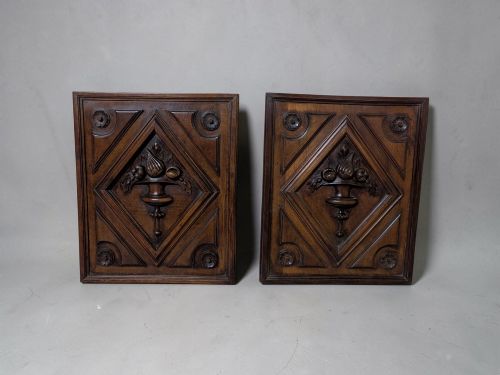
These renaissance style wood panels bring centuries of carved architectural presence and rich grain directly into your interior.
Renaissance Style Wood Panels
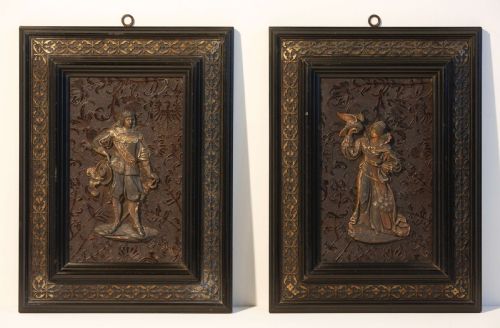
When searching for renaissance style wood panels, collectors encounter architectural salvage, wall art, and decorative carvings that span from the sixteenth century through the Victorian revival. The selection frequently includes dark oak and walnut fragments, architectural decorations, and framed panels reflecting classical European motifs.
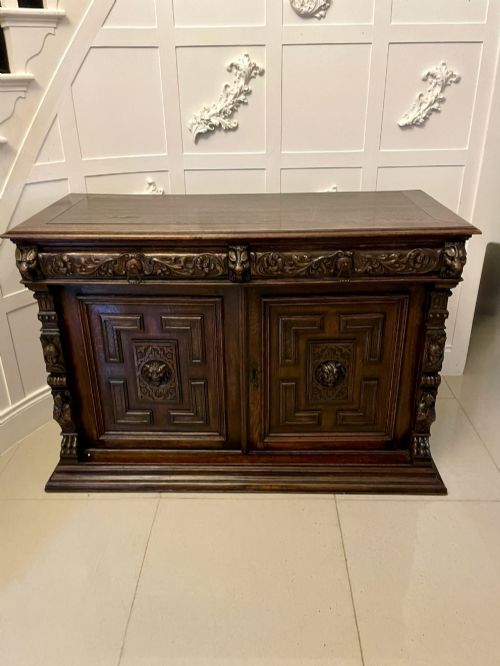
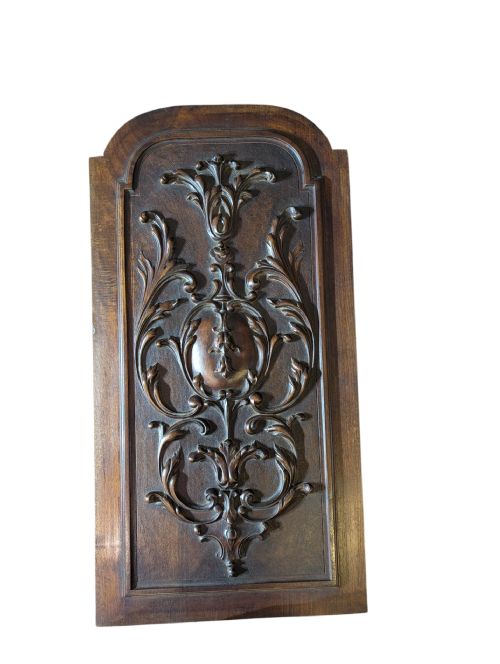
The objects on this page range from authentic period fragments to later revivals, demonstrating how makers adapted classic iconography across different eras. Buyers find everything from standing settles and sideboards incorporating carved elements to isolated arched panels and relief plaques.
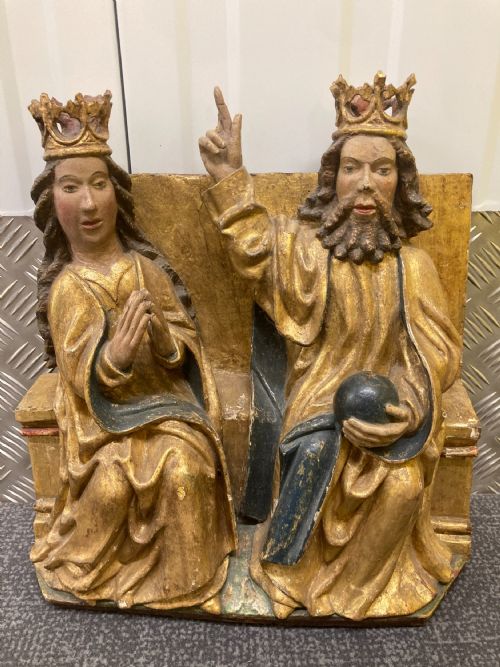
Early periods are represented by genuine seventeenth-century oak carvings and sixteenth-century giltwood groups, while nineteenth-century pieces show the sustained Victorian appetite for Renaissance Revival aesthetics. These works function primarily as wall art or architectural salvage, mounted to anchor a room with historic gravity.
How they were made
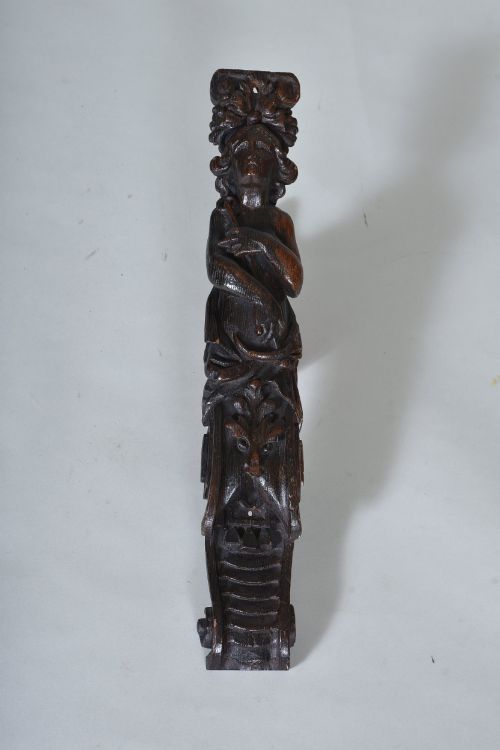
Makers shaped these panels using solid hardwoods, predominantly oak and walnut, chosen for their durability and capacity to hold crisp, deep incisions. Artisans carved directly into the timber, utilising chisels and gouges to build high-relief figures, caryatids, and scrollwork.
Surface finish played a vital role in the construction of these decorative elements, often incorporating gold leaf, tempera, and polychrome pigments over gesso or wood. Workshops also employed alternative media like leathermaché for architectural decorations, allowing for intricate moulded relief work that simulated heavier carved timber.
Putti and caryatids gaze eternally from these wooden panels, watching over modern living rooms with Renaissance solemnity.
What varies in quality
The distinction between standard decorative pieces and exceptional works lies in the depth and vitality of the carving. Superior panels display confident undercutting, anatomically convincing figures like putti or caryatids, and well-preserved original gilding or polychrome surfaces.
Age and original context also determine distinction, with period pieces retaining authentic tool marks and genuine patination developed over centuries. Lesser examples often show mechanical uniformity or later surface treatments that obscure the integrity of the underlying wood.
Icilio Federico Joni
The Renaissance Style Wood Panels Glossary
- Architectural salvage
- Building elements rescued from older structures for decorative reuse. These pieces often retain structural mouldings or carved ornamentation from dismantled interiors.
- Giltwood
- Timber treated with a thin layer of gold leaf. This technique illuminated dark interiors and highlighted carved details.
- Tempera
- A permanent, fast-drying painting medium consisting of coloured pigment mixed with a water-binder. It was commonly used on early wooden panels and book cover bindings.
- Caryatid
- A sculpted female figure serving as an architectural support. They appear frequently as structural or decorative columns on furniture and panels.
- Polychrome
- The practice of decorating architectural elements and sculptures in multiple colours. It adds lifelike dimension to carved wooden figures.
Renaissance Style Wood Panels: Frequently Asked Questions
How do I hang heavy wood panels safely?
Heavy carved timber requires robust wall anchors and sturdy french cleats screwed directly into masonry or wall studs. Distributing the weight evenly prevents warping and protects the structural integrity of the panel.
Ensure the mounting hardware matches the specific weight of the oak or walnut piece you are hanging. Professional installation is recommended for large architectural fragments.
Can these panels be placed in a bathroom?
Historic wood and gilded surfaces react poorly to fluctuations in moisture and temperature. Bathrooms create an environment that can cause timber to split and gold leaf to flake.
Keep these works in stable living areas with consistent humidity levels to preserve the original finish. Avoid direct sunlight and sources of heat.
How do I distinguish sixteenth-century work from nineteenth-century revivals?
Early pieces show tool marks, shrinkage patterns, and oxidised patination consistent with centuries of exposure. Nineteenth-century revival items often display mechanical consistency and different timber preparation methods.
Compare the style of the carving and the composition of the wood grain against known period examples. Material analysis and construction joints offer further clues to the true age of the panel.