
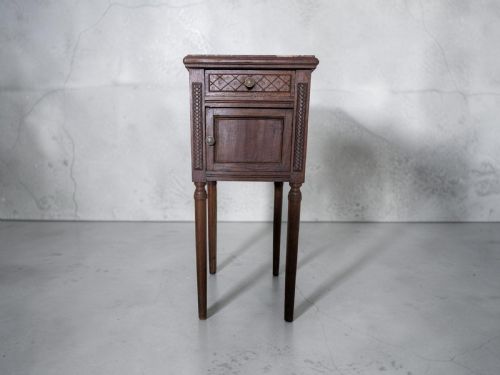
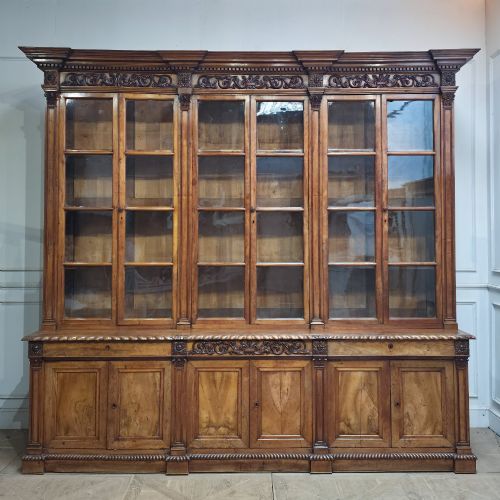

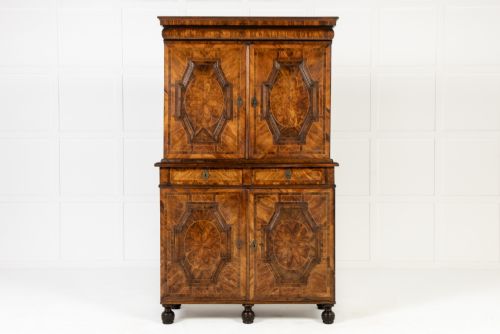


French Carved Cabinet Doors
French carved cabinet doors bring heavy timber and regional provincial character to an interior.
French Carved Cabinet Doors
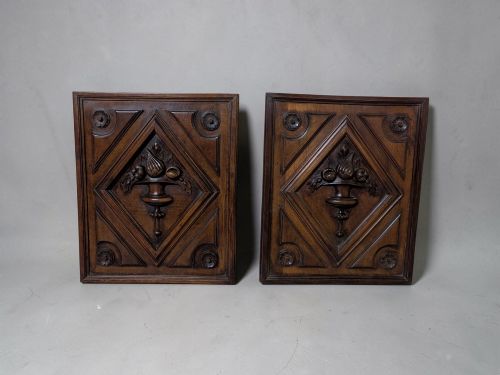
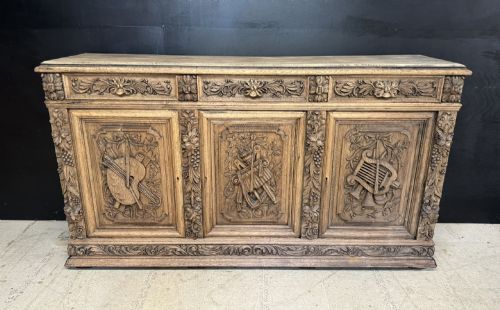
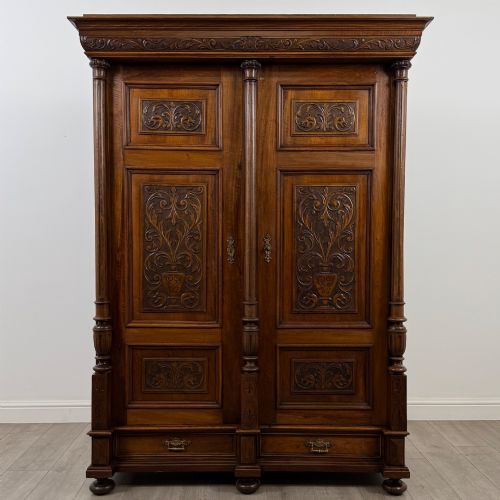
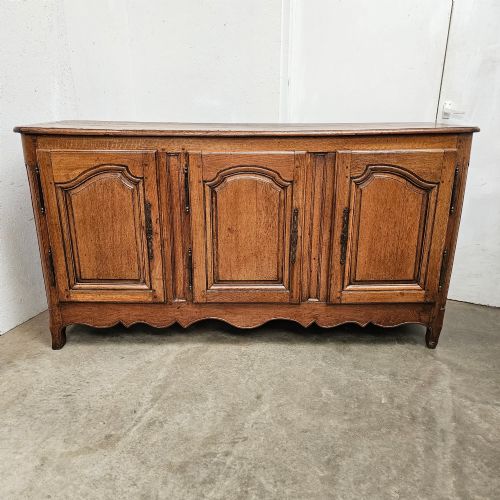
When you search for french carved cabinet doors, you encounter architectural fragments, repurposed furniture elements and panels taken from larger pieces like armoires and sideboards. The selection relies heavily on 18th century and 19th century timber work originating from regional French workshops.
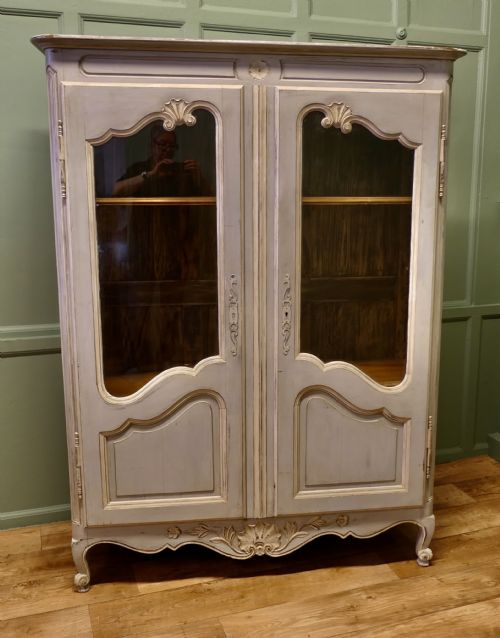
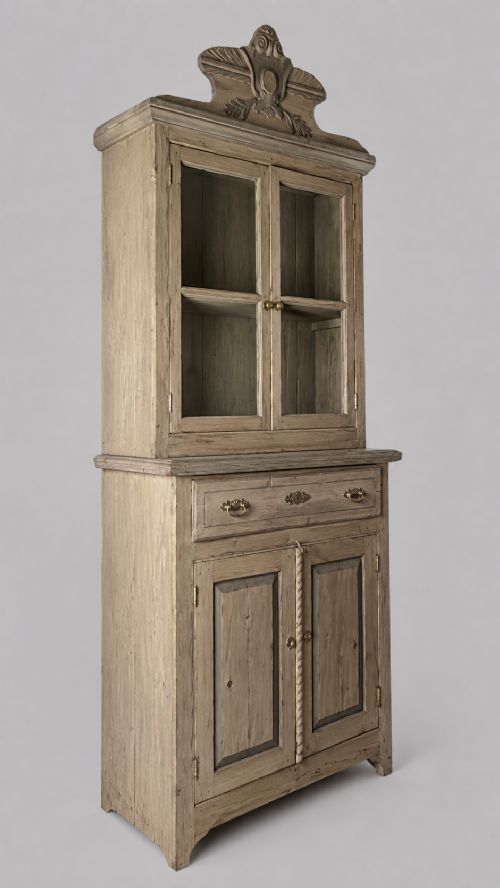
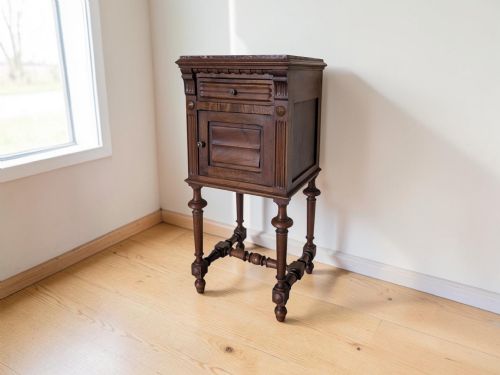
The objects take various forms, ranging from pairs of carved panels to complete cupboard doors salvaged from armoires, dressers and enfilades. Walnut and oak dominate the surviving examples, often displaying deep relief carving rooted in provincial traditions.
Buyers utilise these panels for interior architectural projects, wall mounting or incorporating them into bespoke cabinetry. The material reflects traditional European joinery where timber was selected for grain pattern and structural density.
Materials and construction methods
Cabinet makers relied on indigenous hardwoods, principally oak and walnut, alongside regional timbers like cherrywood. These woods provided the density required for deep hand-carving without splitting along the grain.
Joinery techniques involved mortise and tenon frames surrounding raised or flat panels. Carving was executed directly into the solid timber using gouges and chisels rather than applied composition mouldings.
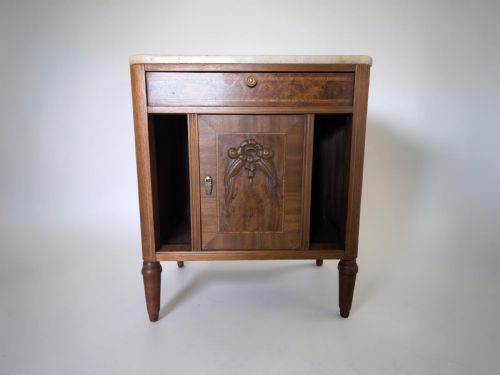
Listings span the 17th century through the 1930s, featuring walnut, oak, glass, marble and wrought iron across various regional styles.
Evaluating craftsmanship and condition
Quality rests in the crispness and depth of the hand-carving. Superior panels show undercut relief and naturalistic detail, whereas lesser examples rely on shallow, machine-assisted or repetitive stamping work.
The integrity of the timber and the honesty of the surface finish dictate desirability. Retaining an unstripped, period-appropriate wax or painted surface elevates a piece above timber that has been stripped down to raw wood.
The French Carved Cabinet Doors Glossary
- Enfilade
- A long sideboard or buffet featuring multiple doors, typically three or four, designed for dining rooms. These pieces often provide the large doors sought after by architectural salvage buyers.
- Armoire
- A large freestanding wardrobe or cupboard with one or two doors. They represent a primary source for large carved wooden panels and doors.
- Parquetry
- Geometric wood inlay work forming decorative patterns on furniture surfaces. This technique appears on the tops and doors of finer sideboards and cabinets.
- Vitrine
- A glass-fronted cabinet or display case used for china and objects. The doors combine wooden framing with glazed panels.
French Carved Cabinet Doors: Frequently Asked Questions
How are these architectural panels typically mounted?
Panels are frequently hung directly on walls as decorative artwork using concealed brackets.
Alternatively, joiners repurpose them into new cabinet doors or integrate them into custom wall panelling.
What timber types appear most frequently?
Oak and walnut form the vast majority of the surviving inventory from French workshops.
Cherrywood and regional pine also appear, particularly in provincial dresser bases and storage cupboards.
How do you date antique French panels?
Dating relies on tool marks, joint construction and the style of the relief carving.
Eighteenth-century examples often display hand-Adzed surfaces and pegged joints, while later 19th-century pieces show more mechanised preparation.
Can these doors be adjusted in size?
Solid timber panels can be planed or rebated by a skilled carpenter to fit specific architectural openings.
Care must be taken to preserve the original perimeter framing and structural stability of the piece.