




Decorative Carved Timber Plaques
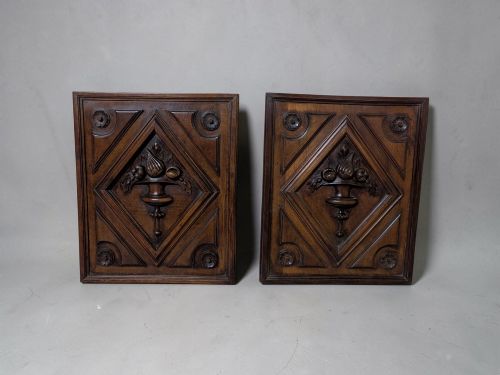
These decorative carved timber plaques bring immediate depth to a wall, offering rich relief work shaped by centuries of hand carpentry.
Decorative Carved Timber Plaques
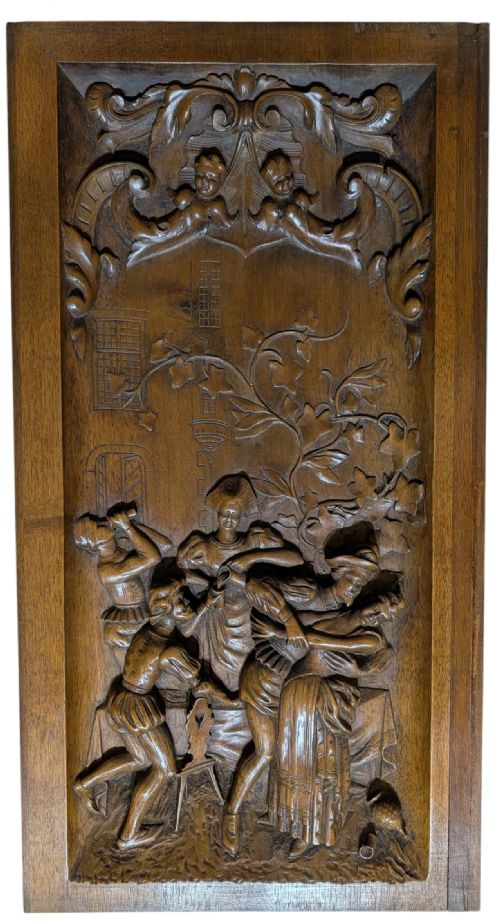
Decorative carved timber plaques encompass architectural salvage, wall art, and sculpted panels originating from periods ranging from the sixteenth century through the early twentieth century. When exploring this selection, buyers encounter items functioning as wall plaques, architectural fragments, and framed sculptural scenes.
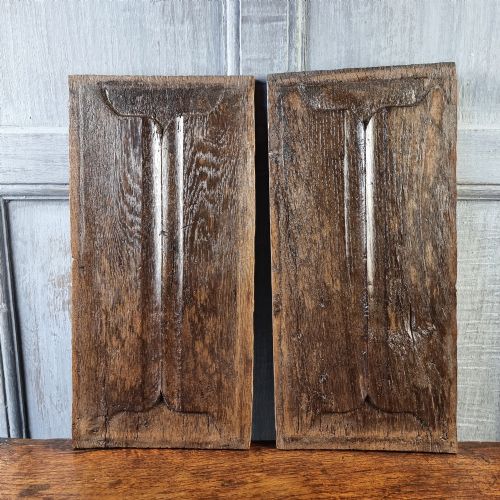
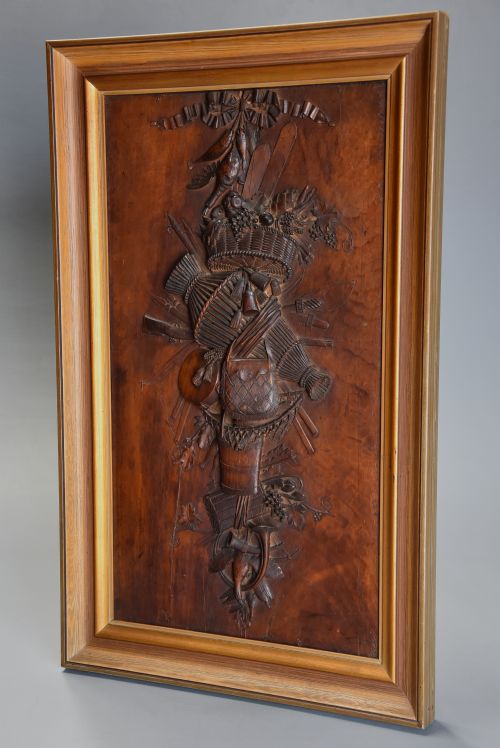
The objects take diverse physical forms, including pairs of linenfold panels, large Chinese painted cart doors, Sicilian cart fragments, and fruitwood trophy carvings. Pieces display distinct cultural and regional characteristics, shifting from Renaissance Revival and Tudor idioms to Arts and Crafts designs and Italian folk art.
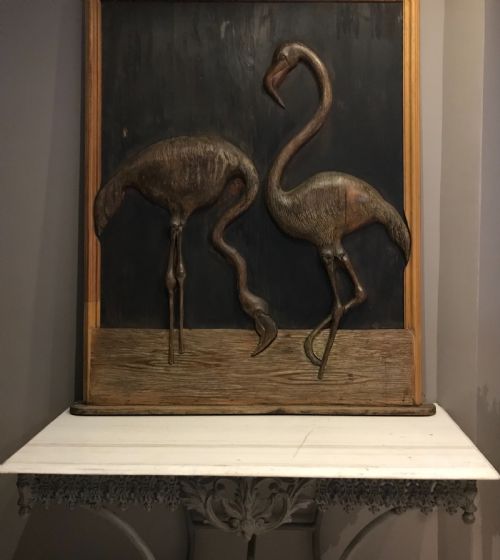
Makers and workshops across different eras utilised traditional timber forms to create substantial wall decor, incorporating subjects such as animal masks, botanical motifs, and dramatic theatrical quotes. The inventory ranges from single monumental wall masks to sets of twelve Chinese carved wooden plaques.
What varies in quality
Depth of carving and clarity of detail distinguish standard pieces from exhibition quality works, where every contour of foliage or anatomy is rendered with precision. The complexity of the composition, from simple linenfold repeats to elaborate figurative trophy carvings, dictates the visual weight of the plaque.
The survival of original surface treatments, including historic pigments and undisturbed timber patina, plays a major role in the integrity of a piece. Structural completeness, particularly in architectural salvage and cart fragments, determines how successfully the object retains its original character.
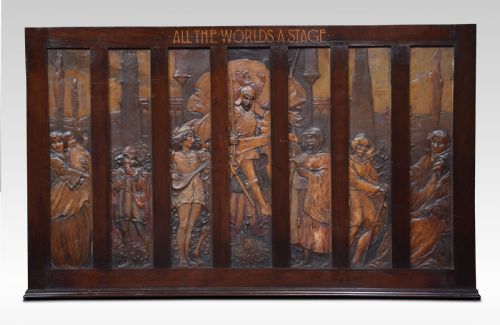
Some carved panels double as theatrical scenery, quoting Shakespeare from the back of a large walnut frame.
The Decorative Carved Timber Plaques Glossary
- Linenfold
- A style of relief carving on wood imitating folded linen, popular in Tudor joinery. This geometric pattern creates rhythmic vertical folds across rectangular panels.
- Fruitwood
- Dense, fine-grained timber sourced from fruit-bearing trees such as pear or apple, favoured for detailed carving. Artisans utilised its smooth texture to achieve crisp edges in intricate trophy panels.
- Trophy carving
- An ornamental arrangement of symbolic objects, often representing sports, music, or agriculture, carved in high relief. These sculptural assemblies demonstrate advanced chisel work and spatial depth.
- Cart fragment
- A salvaged portion of a traditional wooden cart, frequently decorated with regional folk carvings and paint. Sicilian and Chinese examples show distinct local motifs and vibrant surface pigments.
- Architectural salvage
- Building elements rescued from older structures for decorative reuse, including carved doors and wall panels. These components preserve historical building practices and timber ageing.
Decorative Carved Timber Plaques: Frequently Asked Questions
Can these plaques be displayed outside?
Most antique timber plaques are intended for interior display where temperature and humidity remain relatively stable. Outdoor placement exposes historic wood, paint, and iron elements to moisture expansion and rapid drying, which can cause splitting.
Covered porches or sheltered garden rooms offer a compromise if environmental fluctuations are kept to a minimum. Regular waxing helps protect timber surfaces from minor atmospheric changes.
How do I clean carved wooden wall art?
Dust accumulated in deep crevices is best removed gently using a soft-bristled artist brush or a dry microfiber cloth. Avoid commercial liquid polishes, water, or chemical cleaners that can damage historic wax layers, pigments, or exposed timber.
Occasional application of microcrystalline wax nourishes dry antique wood without altering its natural finish. Gentle maintenance preserves both the carved detail and the historical patina.
How can I tell the period of a carved panel?
Dating relies on observing tool marks, timber species, joinery methods, and stylistic conventions associated with specific eras like the Tudor period or Arts and Crafts movement. Hand-hewn marks and shrinkage patterns in oak indicate earlier centuries of craftsmanship.
Comparing motif designs, such as Renaissance Revival strapwork or twentieth-century naturalism, helps narrow down the decade of production. Examining the back of the panel often reveals older construction techniques hidden from view.