

19th Century Carved Panel
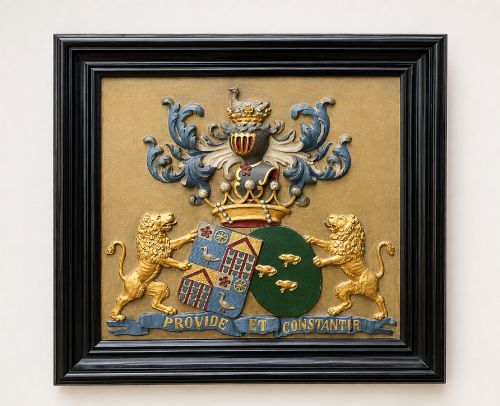
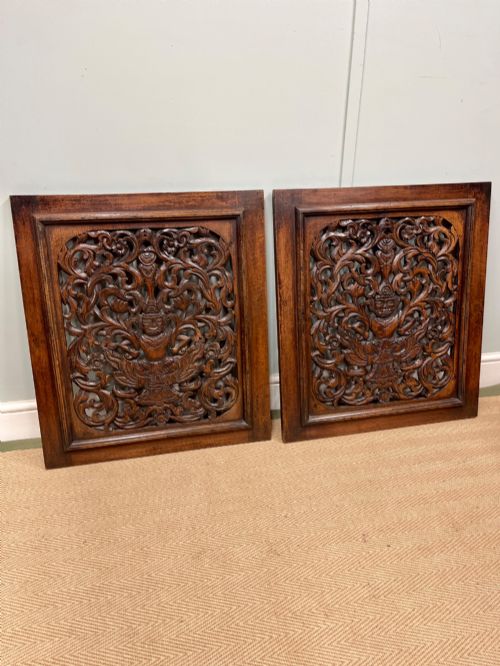
When searching for a 19th century carved panel, one encounters architectural fragments, church ceiling bosses, and figurative reliefs designed to bring tactile historical depth to an interior.
19th Century Carved Panel
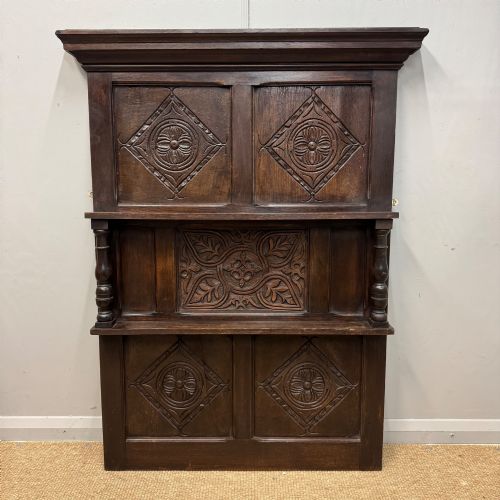
A 19th century carved panel typically originates as architectural woodwork, church furnishings, or decorative wall art from the Victorian and earlier periods. These pieces range from ecclesiastical ceiling bosses and pew ends to French overdoors, hunting scenes, and Anglo-Indian or Chinese imported screens.
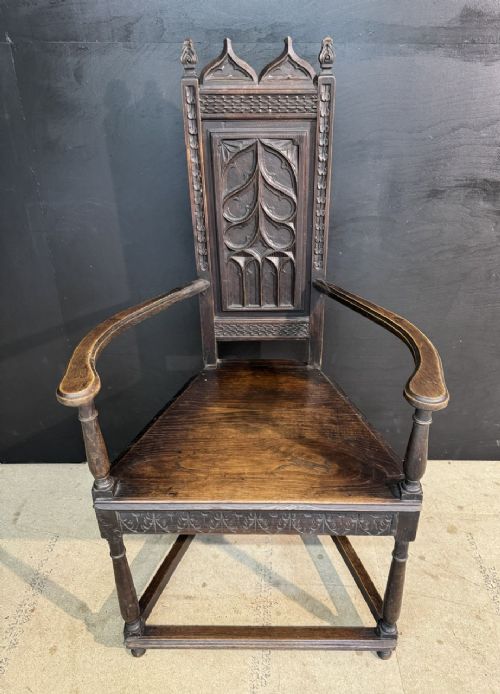
The selection encompasses numerous variations in timber and origin, including robust oak panels bearing Gothic revivals or mythological beasts, alongside walnut Black Forest carvings and exotic hardwood reliefs. Buyers frequently encounter secular subjects like Tudor roses, hunting dogs, and Green Men, as well as distinct regional styles from Britain, France, and beyond.
What Varies in Quality
The sculptural ambition and anatomical precision of the carving distinguish standard workshop production from exceptional exhibition pieces. Depth of relief, crispness of undercutting, and the fluidity of secondary motifs like foliage or mythical beasts dictate the visual authority of the work.
The integrity of the timber and the retention of original surface patination significantly influence the standing of a panel. Pieces that preserve their initial finish without heavy modern intervention retain greater textural clarity and historical fidelity.
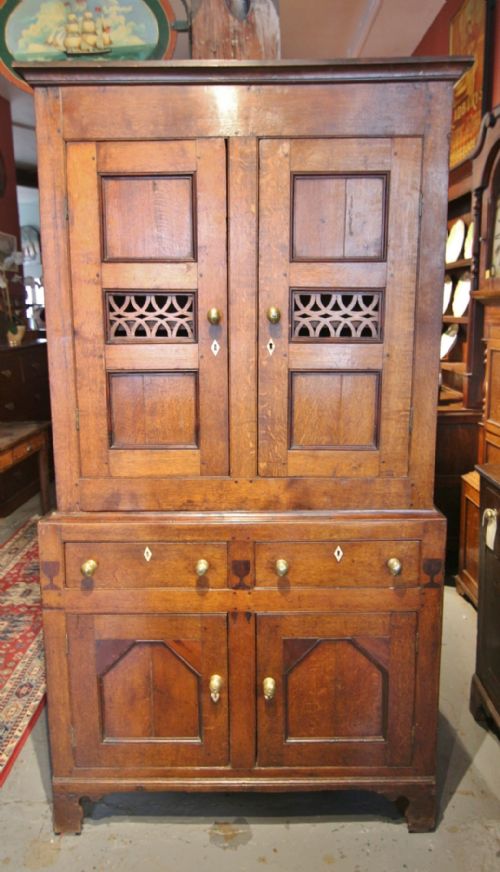
Listings feature numerous regional forms, including French trumeau panels, Anglo-Indian padouk wood pelmets, and Welsh vernacular oak pieces.
Henry Ogden and Son
The 19th Century Carved Panel Glossary
- Bas-relief
- A sculptural technique where the figures project only slightly from the background plane. This shallow method was commonly utilised for detailed narrative panels and decorative friezes.
- Boss
- A projecting, ornamented block of wood, frequently found at the intersection of ribs in a ceiling or vault. In church architecture, these were often carved with foliage, heraldry, or figurative masks.
- Green Man
- A decorative architectural motif consisting of a human face surrounded by or entwined with leaves and vines. It symbolises rebirth and appears frequently in revivalist woodwork.
- Trumeau
- A decorated architectural section between doors or windows, often incorporating a painted panel or mirror plate. French examples from the period frequently combine carved woodwork with classical oil paintings.
- Giltwood
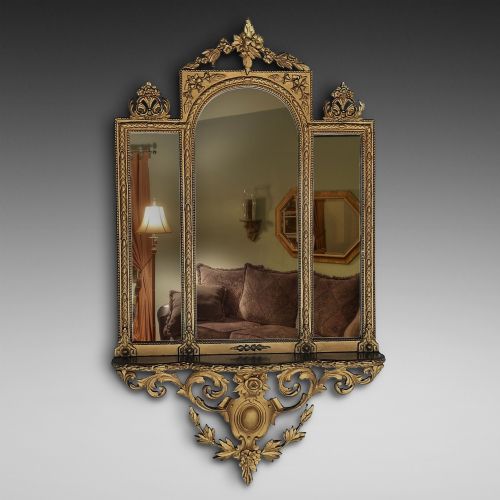
- Wood that has been treated with gold leaf or gold paint applied over a preparation layer of gesso. This technique added luminosity to architectural woodwork and mirror frames.
19th Century Carved Panel: Frequently Asked Questions
What were carved panels originally used for?
These wooden reliefs served multiple architectural and decorative functions within domestic and ecclesiastical interiors. Many formed parts of church pews, altar screens, ceiling vaults, or overdoor mouldings.
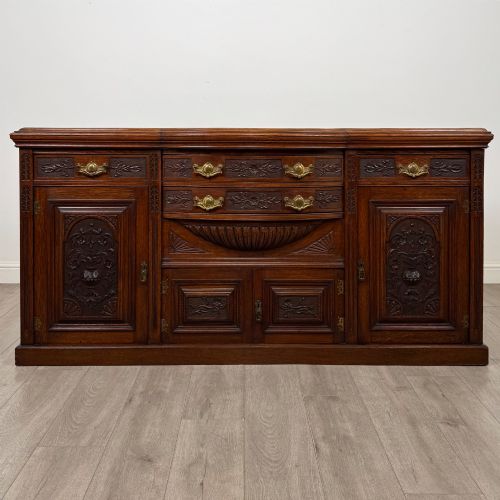
Others functioned as standalone wall art, pelmets, or decorative inserts within larger furniture pieces like sideboards and cabinets. Their placement dictated both the scale and the narrative themes of the carving.
How do I hang a heavy wooden panel?
Hanging a substantial timber carving requires secure attachment directly to wall studs or the use of heavy-duty mirror plates and battens. Given the weight of dense hardwoods like oak and walnut, proper load distribution is essential.
Professional framing or mounting brackets designed for architectural salvage ensure the piece remains stable without stressing the historic wood structure.
How do I tell different periods apart?
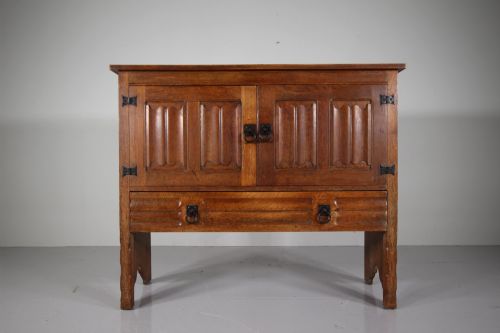
Differentiating periods relies on observing the stylistic vocabulary and the tool marks left by the maker. Pieces displaying heavy Gothic Revival motifs, linenfold, or early Jacobean revival styles often emulate seventeenth-century work while utilising nineteenth-century timber preparation.
Victorian and later nineteenth-century pieces frequently incorporate eclectic revivals, such as French Chateau or aesthetic movement influences, alongside machine-assisted preparation superseded by hand finishing.
How should I care for antique wood panels?
Maintenance involves keeping the timber away from direct heat sources and dramatic humidity fluctuations to prevent splitting or warping. Gentle dusting with a dry, soft cloth is usually sufficient for regular upkeep.
Occasional application of microcrystalline wax helps nourish the surface and protect the historic patina without sealing the wood unnaturally.