





Victorian Coat of Arms
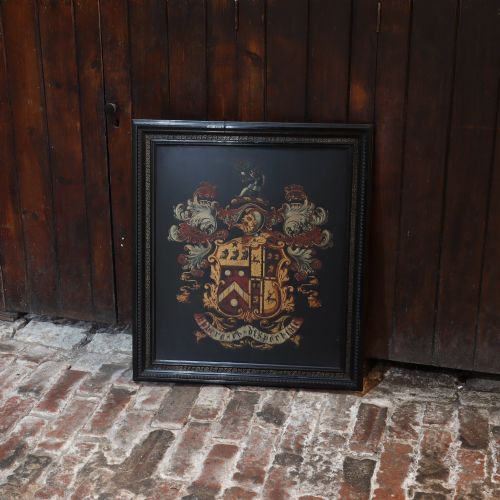
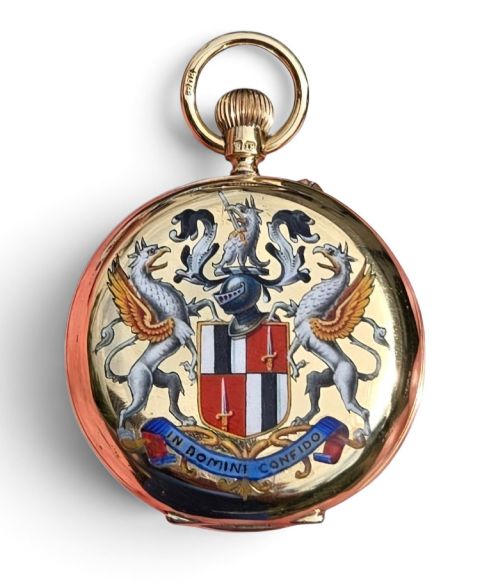
These pieces of a victorian coat of arms bring centuries of heraldic tradition into domestic spaces through cast metal, carved wood, and painted glass.
Victorian Coat of Arms
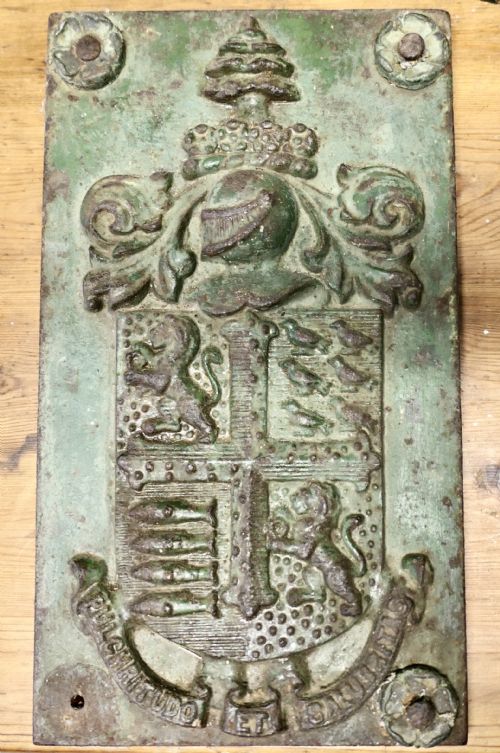
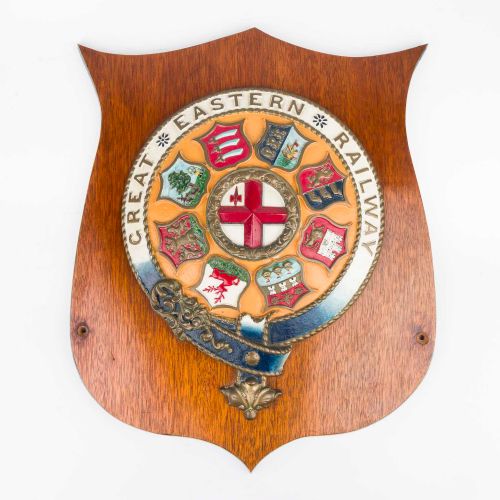
A victorian coat of arms primarily takes the form of heavy cast iron wall plaques, monumental architectural shields, and framed armorial panels representing royal lineages, municipal bodies, and distinguished families. You will frequently encounter heavy cast iron and brass plaques designed for wall mounting, alongside domestic furniture and furnishings bearing hand-painted or embossed heraldic motifs.
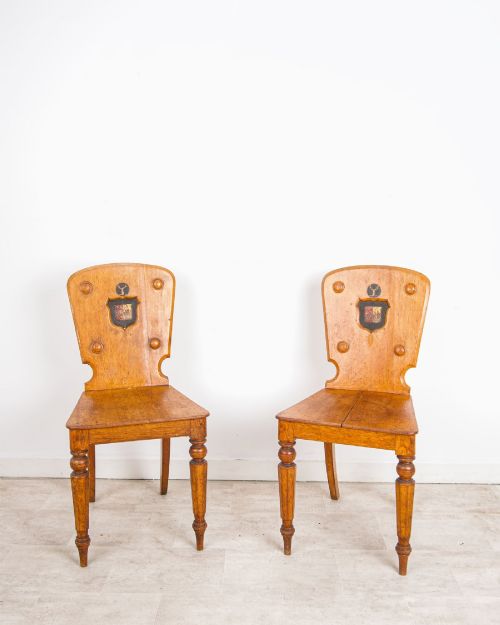
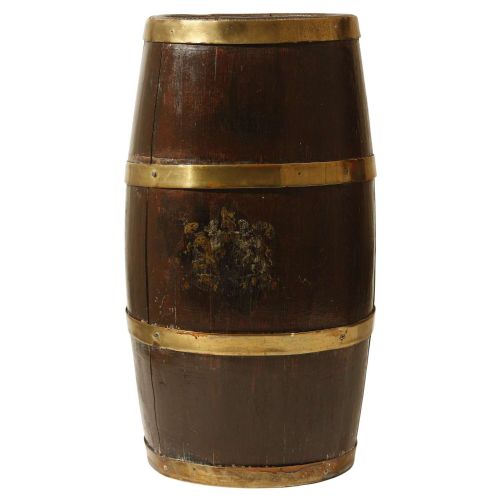
Beyond wall art, the selection encompasses functional household objects integrated with heraldic symbols, including oak fire screens, umbrella stands, copper coal scuttles, and hall chairs with carved shield backs. These items bridge the gap between official state or civic display and nineteenth-century interior decoration.
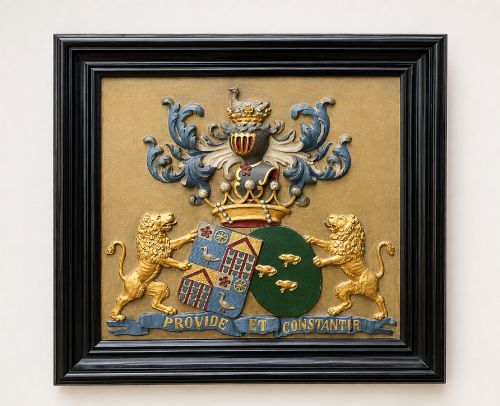
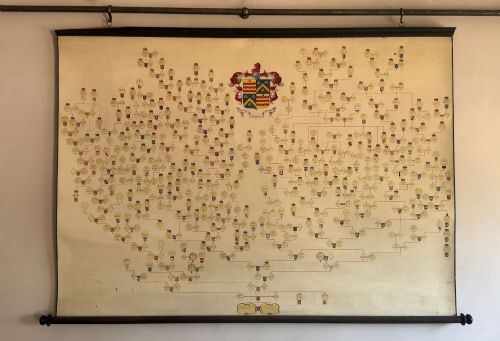
The origins span British royal and railway authorities, Dutch marriage plaques, and family pedigrees, showing how widely heraldry was adapted across nineteenth-century society. Most examples cluster in the Victorian period, utilising traditional iconography such as lions passant, crowns, and Latin mottoes.
How they were made
Metalwork forms the backbone of these objects, utilising cast iron, solid brass, and bronze relief casting to achieve sharp, durable heraldic details on heavy plaques and doorstops. Iron items were frequently cast from moulds and painted, while brass components involved embossing and chasing to create textured surfaces on fire screens and desk clips.
Woodworking traditions appear extensively through carved tiger oak, mahogany, and coopered barrel construction for umbrella stands and hall chairs, often incorporating inset brass frames or carved crests. Cabinetmakers and joiners shaped dense hardwoods to support heavy armorial panels and needlework displays.
Glass and painting techniques complete the material record, featuring hand-painted oil on glass armorial crests, leaded glass windows, and glazed pottery armorial plates fired in ceramic kilns. Artisans applied pigments directly to glass or pottery surfaces to preserve vibrant heraldic tinctures.
Listings feature items spanning the seventeenth to the twentieth centuries, utilising oak, brass, glass, cast iron, and mahogany.
What varies in quality
The crispness of the casting and carving dictates the visual strength of a victorian coat of arms, distinguishing sharply rendered details on iron shields and carved oak panels from softer, worn impressions. Superior examples exhibit deep relief and precise delineation in crowns, fur, and scrollwork.
Material selection and integrity drive differences across the range, with solid woods like oak and heavy bronze or cast iron commanding greater presence than thinner metals or composite structures. Original painted surfaces, untouched patinas, and intact enamel or gilding elevate an object's historical standing.
Edward and John Barnard·R Stewart Glasgow·Minton Cabinet Porcelain
The Victorian Coat of Arms Glossary
- Heraldry
- The system by which coats of arms and other armorial bearings are devised, depicted, and granted. It forms the foundational visual language for these historic plaques and decorative objects.
- Armorial
- Relating to armorial bearings or a coat of arms. You will see this term applied to plates, porcelain, and embroidered panels.
- Crest
- The component of a coat of arms situated on top of the helmet or coronet. It often appears independently on domestic items and furniture.
- Passant
- A heraldic term describing an animal depicted walking with its right paw raised. The lion passant is a common motif in British heraldry.
- Repoussé
- A metalworking technique where a design is hammered into relief from the reverse side. This method creates the raised imagery seen on brass fire screens and plaques.
Victorian Coat of Arms: Frequently Asked Questions
What is a victorian coat of arms?
A victorian coat of arms is a visual representation of a family, institution, or royal lineage created during the nineteenth century. These designs follow strict heraldic rules regarding symbols, colours, and mottos.
They were cast in iron, carved in oak, painted on glass, or woven into textiles to display authority, heritage, or allegiance.
Where were these plaques displayed?
Heavy cast iron and brass plaques were mounted on exterior walls of civic buildings, railway stations, and grand residences. Smaller wooden panels and embroidered screens were hung inside domestic halls and drawing rooms.
Their placement signified official status, corporate identity, or family pride within public and private spaces.
How do I clean cast iron?
Cast iron items require gentle dusting with a soft brush to remove surface debris without damaging the painted finish or metal patina. Avoid using water or chemical solvents on historic painted surfaces.
If the metal is unpainted, a light application of microcrystalline wax can help protect against moisture and rust.
How can I date a piece?
Dating relies on material analysis, manufacturing techniques, and specific historical ciphers or royal cyphers stamped onto the object. Stylistic shifts between Georgian simplicity and Victorian Gothic Revival also provide chronological clues.
Makers' marks, registration stamps, and accompanying documentation help narrow the exact decade of production.