

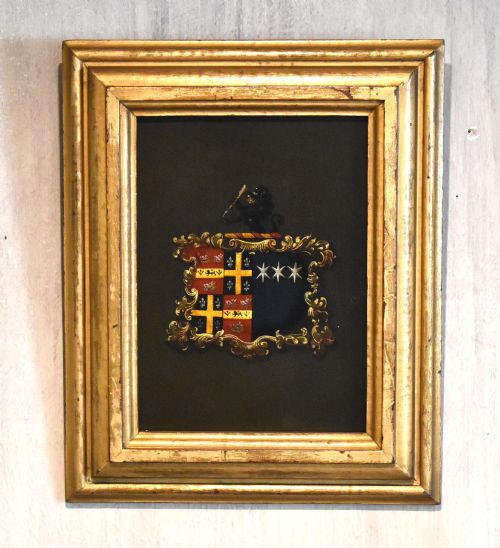


Antique Coat of Arms Panel
These antique coat of arms panel pieces bring centuries of heraldry and lineage into your interior.
Antique Coat of Arms Panel
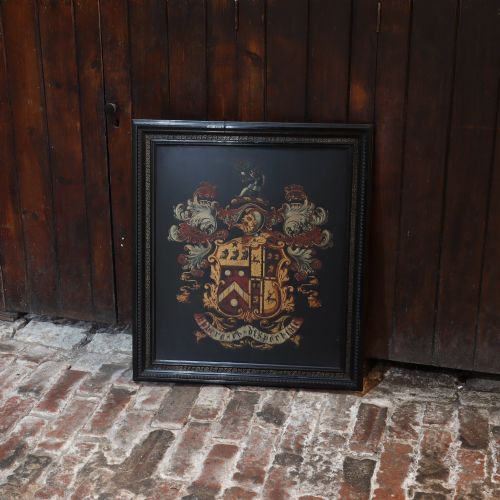
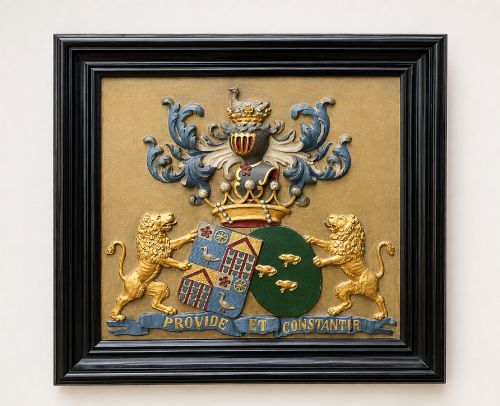
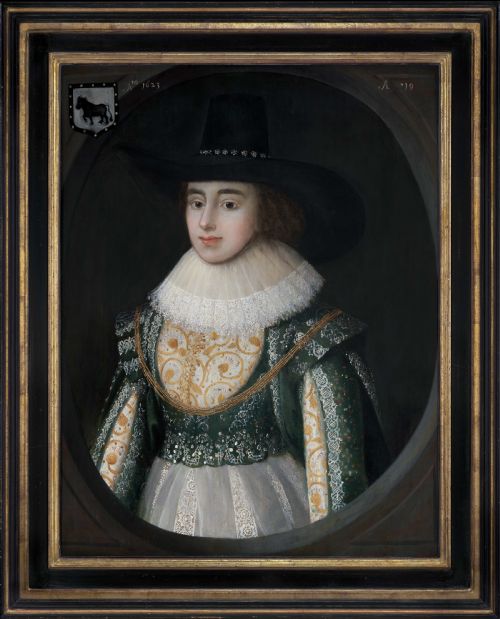
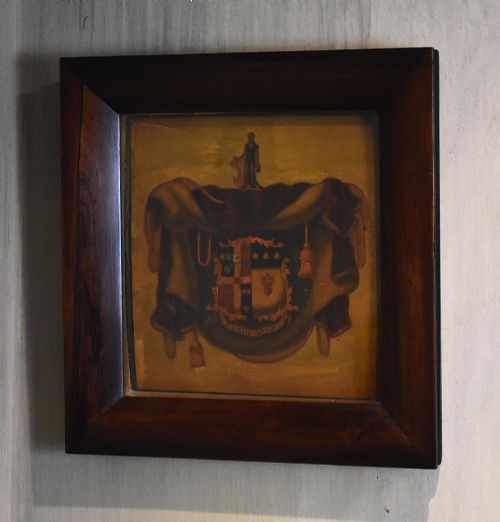
An antique coat of arms panel is a tangible piece of heraldic history, encompassing wall plaques, painted panels, and framed artworks that display familial crests and armorial bearings. When exploring this selection, you encounter items stretching from the seventeenth century through to the mid-twentieth century, with Victorian examples appearing frequently.
The objects take diverse physical forms, including carved oak and walnut crests, coaching panels, hand-painted glass windows, and bronze reliefs. Such items originated from various contexts, from Scottish coaches and Dutch marriage plaques to ecclesiastical or domestic settings.
Collectors seek these panels for their rich narrative and decorative heraldry, which records marriages, family lineages, and military units. The variety ranges from embroidered silk works to substantial wood and metal plaques.
Materials and construction methods
Wood serves as a primary medium, utilising solid oak, walnut, and mahogany, often carved in relief or prepared as panels for oil painting. Artisans also worked with metals like bronze and brass, casting armorial plaques or framing wooden crests to enhance durability and visual weight.
Surface decoration relies heavily on oil paint, hand-painted glass with leaded framing, and intricate silk needlework or embroidery. These techniques allowed makers to render precise heraldic tinctures, charges, and familial mottos with lasting clarity.
Several panels preserve the vanity of Georgian coach owners who wanted everyone to know whose carriage was splashing them.
Distinctions in craftsmanship and preservation
Quality in these panels depends upon the precision of the heraldic painting and the crispness of the carving or casting. Finer examples display meticulous brushwork in the rendering of crest details and tinctures, whereas simpler pieces show broader, more rustic execution.
The integrity of the original materials, such as the preservation of leaded glass, the stability of the wood panel, and the condition of the painted surface, dictates the overall calibre of the piece.
Cornelius Johnson·Icilio Federico Joni
The Antique Coat of Arms Panel Glossary
- Heraldry
- The system of devising, granting, and displaying armorial bearings. This ancient practice forms the core subject matter of these decorative panels.
- Armorial
- Relating to heraldic arms or a coat of arms. An armorial panel displays specific familial or institutional insignia.
- Crest
- The component of a heraldic display that sits atop the helm or shield. Many panels isolate this element as the primary decorative focus.
- Coaching panel
- A section removed from a horse-drawn carriage bearing painted family arms. These were often preserved as decorative wall art.
- Tincture
- The metals, colours, and furs used in heraldry. Correct depiction of tinctures is a hallmark of authentic armorial work.
Antique Coat of Arms Panel: Frequently Asked Questions
What is an antique coat of arms panel?
These pieces are decorative items featuring painted, carved, or cast heraldic insignia. They represent specific families, marriages, or institutions from past centuries.
They appear in formats ranging from wooden wall plaques and coaching panels to stained glass windows and embroidered silks.
How were coaching panels used?
Coaching panels were originally painted on the doors of private carriages to display the owner's status and lineage while travelling.
When the carriages went out of use, these painted sections were frequently cut out and framed as wall art.
Where should I hang an armorial panel?
These panels suit studies, libraries, or hallways where their traditional aesthetic and historical narrative can be appreciated up close.
Ensure they are placed away from direct sunlight to protect painted surfaces and delicate silk textiles.
How do I date an antique panel?
Dating relies on stylistic markers, the medium used, and any documented genealogical references tied to the specific crest.
Examining the back of the wood panel or the composition of the metal frame also provides clues to the period of creation.