


Hand Painted Wooden Panel
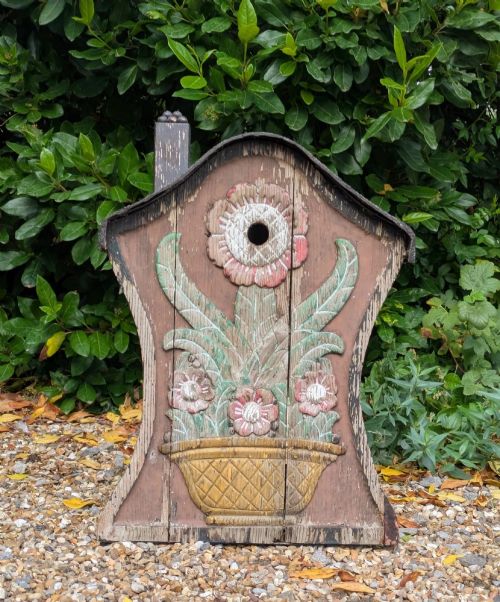
A hand painted wooden panel brings immediate texture and narrative to a room, ranging from folk art bird boxes to grand architectural fragments.
Hand Painted Wooden Panel
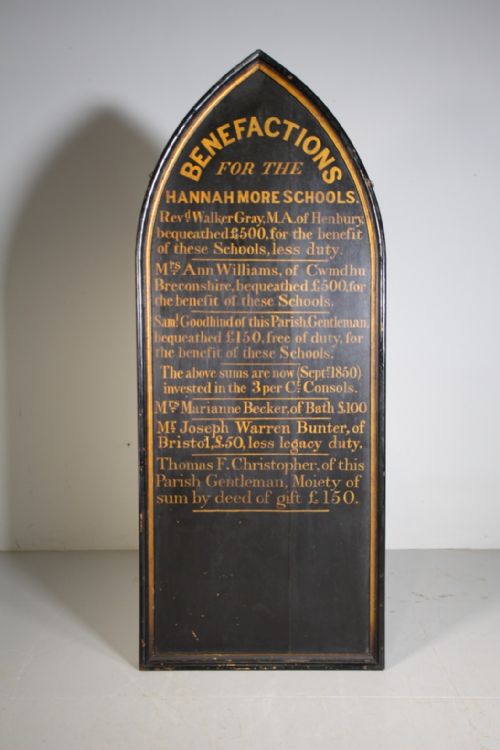
A hand painted wooden panel encompasses a diverse array of functional and decorative items repurposed for contemporary interiors as wall art or architectural salvage. Buyers searching for a hand painted wooden panel encounter everything from cart fragments and folding screens to religious icons and trade signs spanning several centuries.
The selection frequently includes nineteenth century examples alongside early twentieth century items, drawing from various traditions such as Russian orthodox, Scandinavian country, and traditional Indian craftsmanship. These objects often originate from larger structures or transport, surviving as standalone decorative statements.
Forms vary significantly, taking the shape of wall reliefs, cabinet doors, and armoire panels rather than standard canvas paintings. Each piece retains the character of its original utilitarian or decorative context.
How they were made
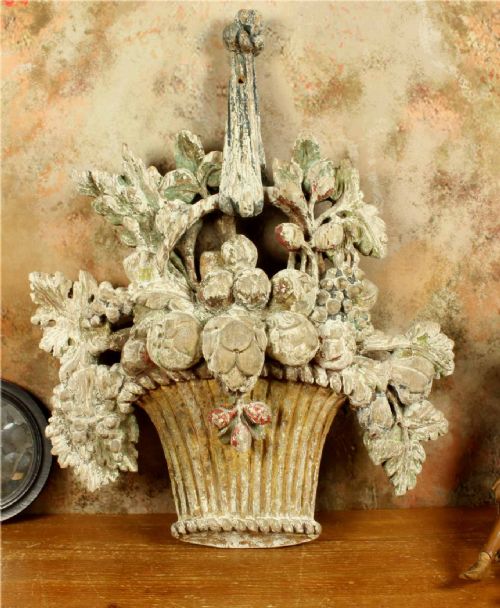
Makers utilised solid timbers such as pine, walnut, and satinwood as a substrate for pigment, oil, and gold leaf decoration. Carved wood details frequently provide relief work beneath the painted surfaces.
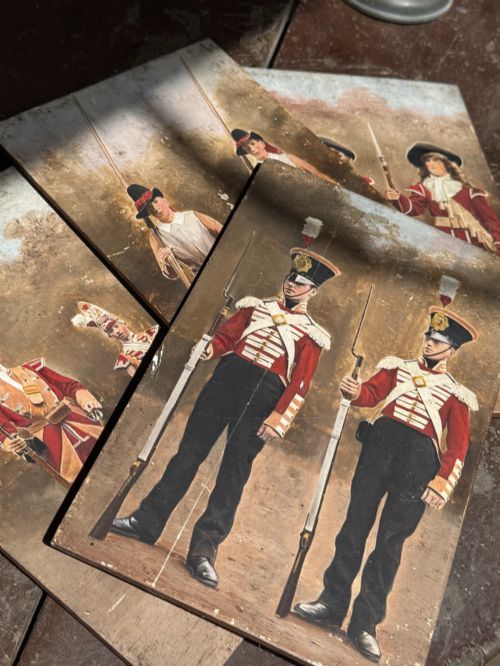
Traditional techniques involve applying mineral pigments directly to prepared wooden panels, occasionally enhanced with brass or iron fixings. Surface decoration ranges from folk art brushwork to elaborate gouache and lacquer finishes.
Fairground ride panels and carnival game boards occasionally bring the boisterous energy of historic amusement parks directly into domestic spaces.
What varies in quality
The distinction between ordinary and exceptional pieces lies in the integrity of the original surface and the sophistication of the brushwork. Untouched pigment and genuine period wear command greater interest than heavily restored examples.
Artistry in the carving and the balance of the composition separate mass-produced items from masterworks. The harmony between the wooden support and the applied paint determines the overall visual presence.
The Hand Painted Wooden Panel Glossary
- Architectural salvage
- Building elements rescued from demolition or alteration for decorative reuse. These pieces retain historical patination from their original exterior or interior placement.
- Icon
- A religious work of art, typically painted on a wooden panel within Eastern Christian traditions. Gold leaf and rich pigments are standard in these devotional objects.
- Cart fragment
- A surviving section of a painted transport vehicle, such as a Sicilian cart or a Chinese cart door. These items display vibrant regional folk painting.
- Fretwork
- Ornamental design created with a piercing saw, allowing light and air to pass through carved wooden panels. This technique often appears on folding screens.
- Gouache
- An opaque water-based paint method utilised in traditional miniature and panel painting. It produces a flat, matte finish with intense colour saturation.
Hand Painted Wooden Panel: Frequently Asked Questions
Where should I hang a heavy wooden panel?
Heavy panels require secure fixing directly into wall studs or masonry using appropriate weight-bearing brackets. Distributing the load prevents damage to both the wall and the antique timber.
Position the piece at eye level to properly appreciate the painted details and carved relief work. Ensure the location avoids excessive moisture and direct sunlight to protect the aged pigments.
How do I clean a painted wooden panel?
Dust the surface gently with a soft, dry brush or microfiber cloth to remove everyday debris. Avoid using commercial cleaners, water, or solvents that might lift the historic paint.
Professional conservation is recommended for panels showing flaking pigment or unstable wood. Regular gentle dusting remains the safest maintenance method for delicate surfaces.
Are these panels weatherproof?
Most antique panels were created for indoor use, even when originating from architectural salvage or transport. Exposing them to outdoor elements will degrade the historic paint and timber.
Keep them within climate-controlled interior spaces to prevent warping and cracking of the wood. Stable humidity levels ensure the longevity of both the substrate and the pigment.
How do I date a painted panel?
Examine the type of wood, tool marks on the reverse, and the formulation of the pigments used. Historical construction methods often reveal the manufacturing era more clearly than the surface style alone.
Compare the decorative motifs with known periods such as Victorian, Neoclassical, or folk art traditions. Expert opinion can help confirm whether the paint and wooden panel are contemporary to one another.