


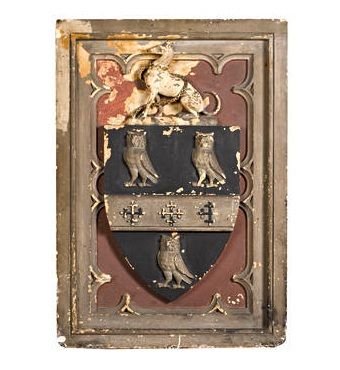
Antique Heraldic Crest Panel
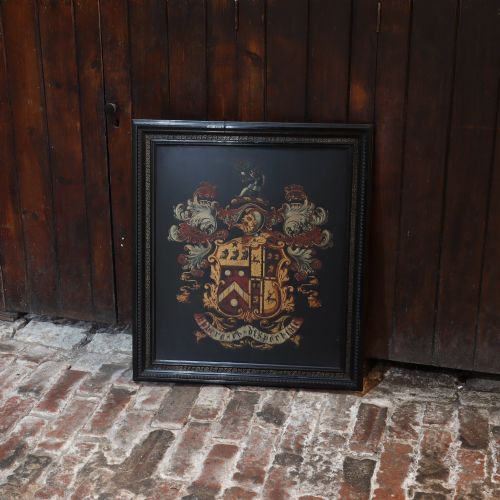
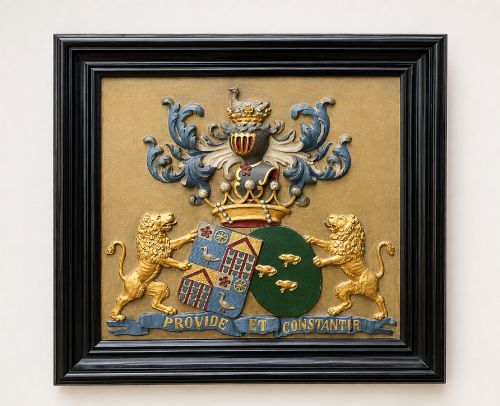
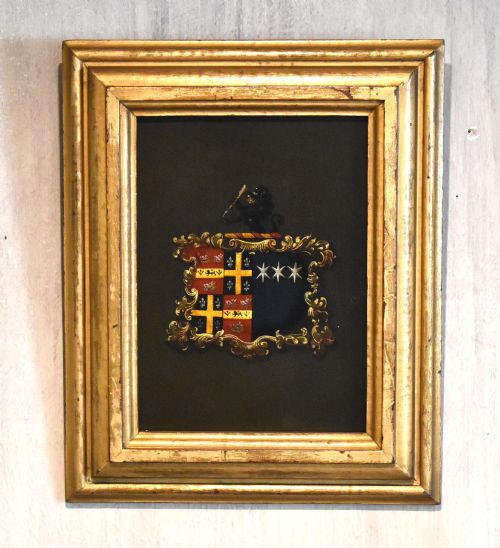
These antique heraldic crest panel pieces bring centuries of armorial history and carved or painted lineage straight into your interior.
Antique Heraldic Crest Panel
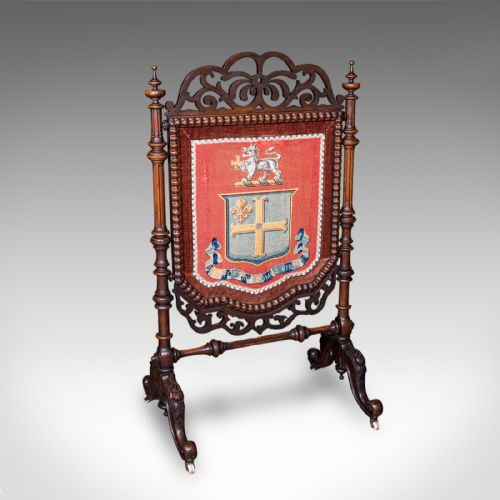
An antique heraldic crest panel represents family lineages, military units, and coats of arms rendered in wood, glass, metal, and textiles. When you explore this selection, you encounter wall plaques, framed artwork, fireplace screens, and stained glass windows.
The pieces span the Georgian, Victorian, and Edwardian eras, alongside specific dates from the nineteenth and twentieth centuries. Oak and walnut are prominent among the materials, often enriched with paint, gesso, brass, or needlepoint embroidery.
Origin points range from British and Irish workshops to Dutch and French makers. You meet items as diverse as coaching panels, book covers, door pediments, and leaded glass windows featuring hand-painted designs.
How they were made
Makers utilised traditional woodworking techniques, carving oak, walnut, and mahogany to form solid panels, fire screens, and door pediments. Gesso and paint were applied directly to wood or plaster bases to define the intricate details of coats of arms.
Textile works incorporate silk and needlepoint embroidery mounted as framed wall art or functional fire screens. Stained and leaded glass windows combine traditional glass-cutting with hand-painted pigment to preserve heraldic motifs against the light.
The listings here include items featuring oak, walnut, mahogany, brass, silk, and leaded glass across Victorian, Georgian, and Edwardian periods.
What varies in quality
The standard of a panel rests upon the precision of the carving and the fidelity of the armorial painting. Crisp linework in painted coats of arms and deep, undercut relief in carved walnut or oak separate standard works from finer productions.
Materials also dictate the tier of the piece, with dense hardwoods, substantial cast brass frames, and well-preserved silk needlepoint reflecting higher original commissioning costs. The clarity of the associated family history or military provenance adds further weight to the piece.
The Antique Heraldic Crest Panel Glossary
- Armorial
- Relating to heraldry or coat armour. These pieces display verified family crests or institutional coats of arms.
- Gesso
- A plaster-like mixture applied to wood or canvas as a base for painting. It provides a smooth surface for detailed heraldic decoration.
- Needlepoint
- A type of canvas work embroidery stitched with yarn. It frequently forms the central decorative field in armorial panel screens.
- Pediment
- The triangular or decorative architectural gable above a door, window, or piece of furniture. Surviving examples often incorporate carved crests.
- Leaded glass
- Pieces of glass joined together by strips of lead. This technique creates windows that hold painted designs and heraldic motifs.
Antique Heraldic Crest Panel: Frequently Asked Questions
What is an antique heraldic panel?
It is a decorative object displaying a family coat of arms, crest, or armorial bearing from periods such as the Georgian and Victorian eras.
These pieces were created using materials including carved wood, painted glass, bronze, and embroidered silk.
How were heraldic crest panels used?
Many served as wall plaques, architectural overdoors, or fireplace screens in grand homes and public buildings.
Others functioned as framed artworks, book covers, or stained glass windows designed to display family lineage and allegiance.
Where should I place a panel?
These works suit placement as focal points on living room or study walls, mounted above doorways, or placed near fireplaces.
Stained glass examples perform best where natural light can pass through the painted glass and highlight the colours.
How do I identify the period?
Dating relies on stylistic clues, framing materials, and the specific methods used in the woodwork, paint, or embroidery.
Pieces often reflect the architectural and decorative tastes of the Victorian Gothic Revival or the Georgian period.