

Carved Wooden Crest
A carved wooden crest brings heraldic weight and tactile depth to a room, carrying the sculptural grain of oak or walnut into modern spaces.
Carved Wooden Crest
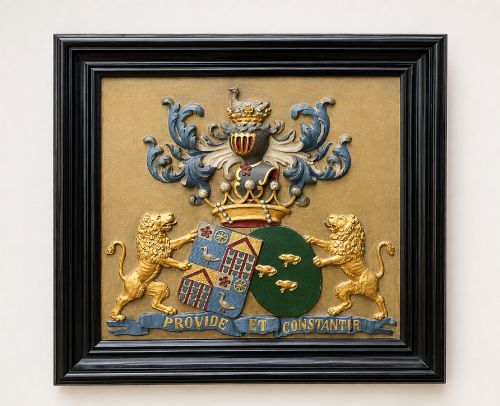
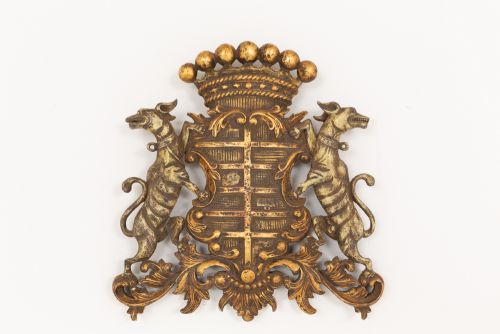
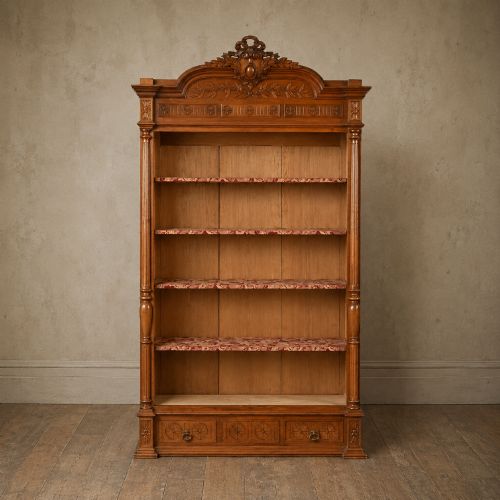
When you search for a carved wooden crest, you encounter sculptural woodwork originating from centuries past, often integrated into architectural elements like overdoor pediments or displayed as standalone armorial shields and wall plaques. These pieces bear the motifs of heraldry, family lineages, and traditional craftsmanship from periods spanning the seventeenth century through to the Edwardian era.
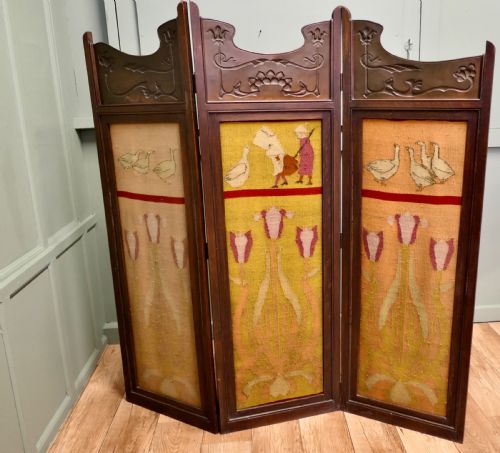
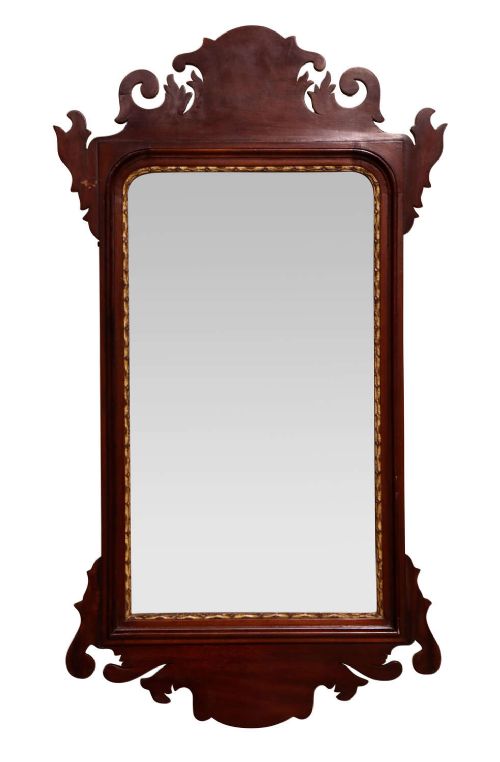
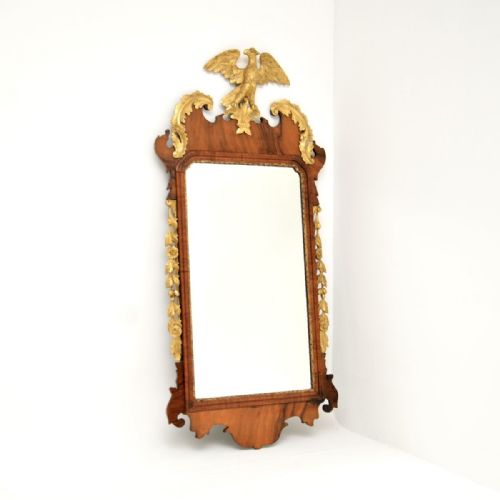
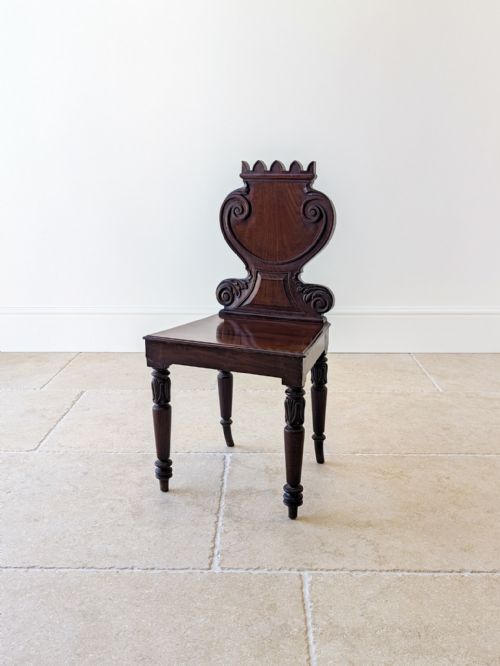
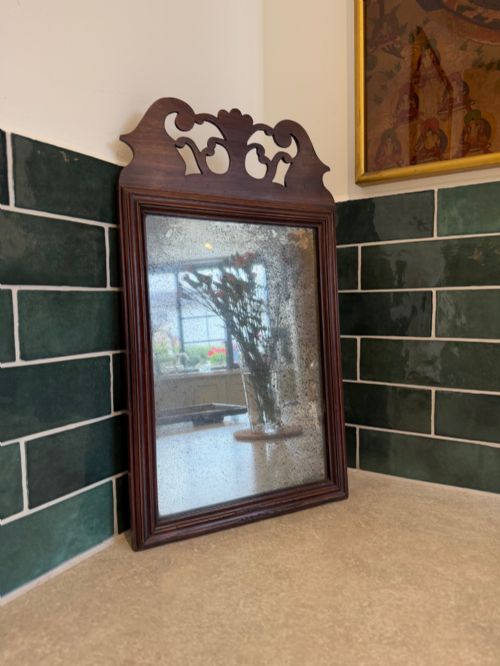
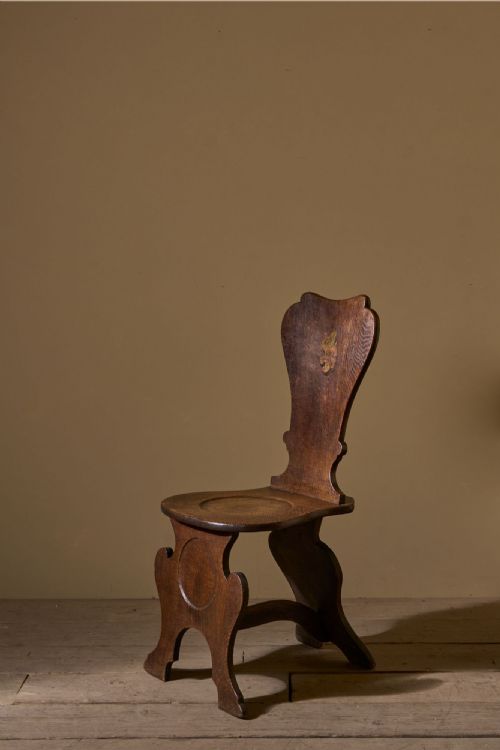
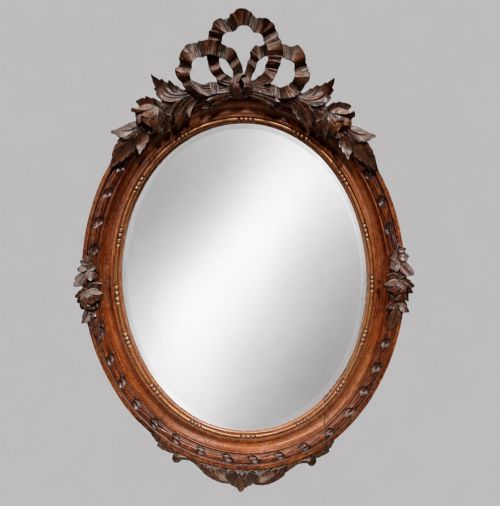
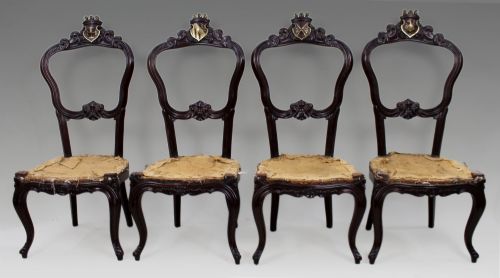
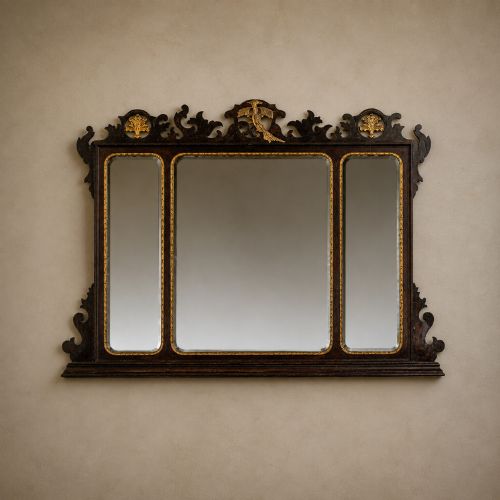
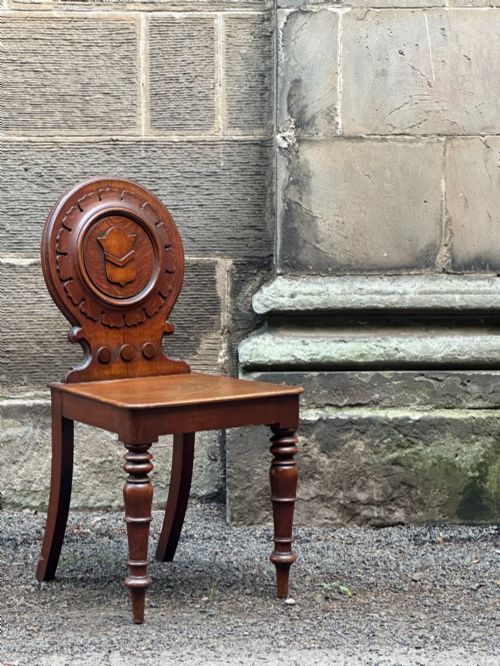
On this page, the pieces you meet most frequently are incorporated into larger forms such as mirror crestings, particularly Victorian Chippendale revival overmantels featuring birds or scrollwork, alongside solid oak and mahogany hall chairs displaying carved armorial bearings. These items demonstrate how decorative woodcarving served as a mark of status and identity in domestic interiors.
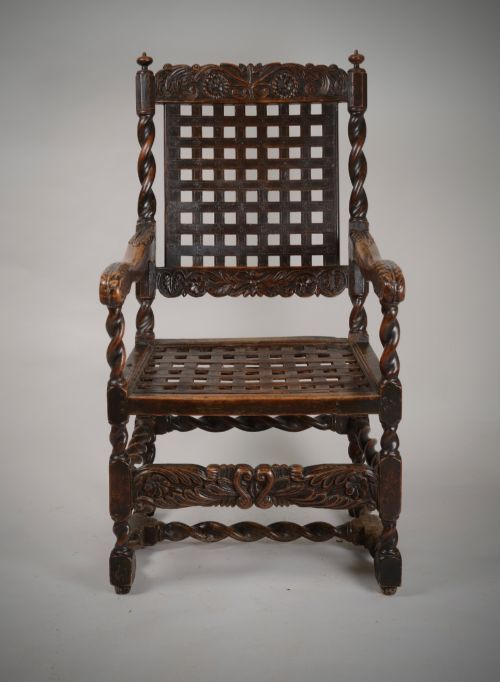
The selection ranges from robust seventeenth-century Lancashire wainscot chairs with substantial wooden backs to nineteenth-century continental marriage plaques and carved hardwood shields. Each object reflects the prevailing design idioms of its time, moving from heavy dark oak Jacobean forms to lighter, fret-cut mahogany mirrors of the Georgian and Regency periods.
Materials and construction methods
Makers relied primarily on native timbers such as oak, mahogany, and walnut, selecting dense hardwoods that could hold crisp, intricate chisel work without splitting along the grain. These woods were frequently enhanced with applied gesso, gold leaf, or parcel gilt highlights to accentuate the relief of the carved motifs.
The construction combined traditional joinery - such as mortise and tenon joints in chairs and architectural pediments - with hand-chiselled surface relief. Craftsmen utilised gouges and parting tools to model three-dimensional foliage, heraldic beasts, and scrolling cartouches directly from the solid timber.
Assessing craftsmanship and execution
Quality in these carvings is determined by the depth, undercut clarity, and vitality of the chisel work. Superior pieces display naturalistic movement and sharp detailing in the foliage and figures, whereas lesser examples rely on shallow, mechanical stamping or lack definition in the finer scrolls.
The harmony between the carved wooden crest and its supporting structure dictates the overall standard. The finest items show a seamless integration where the woodwork appears structural rather than hastily attached, retaining an honest integration of material and form.
Gillows·Van Rijckevorsel and Verheijen
The Carved Wooden Crest Glossary
- Armorial
- Relating to heraldry or armorial bearings. These designs display family crests or coats of arms carved into wood or painted on panels.
- Fretwork
- Openwork ornamentation carved in low relief or pierced through thin wood. This technique creates intricate geometric or scroll patterns, common on mirrors.
- Pediment
- An architectural crowning feature above a door, window, or piece of furniture. In these listings, they often incorporate central carved wooden crests or shelving.
- Gesso
- A plaster-like mixture applied to wood surfaces as a base for gilding. It allows for crisp, moulded details adjacent to the carved areas.
- Wainscot
- A type of sturdy wooden chair or panelling made from oak. These early pieces feature solid panel backs decorated with low-relief carving.
Carved Wooden Crest: Frequently Asked Questions
What is a carved wooden crest used for?
Historically, these carvings represented family lineage and social standing, often mounted above doorways or displayed as heraldic wall plaques in grand halls.
Today, they serve as striking focal points in interior decoration, bringing historical narrative and rich texture to blank wall spaces.
How do I identify the age of a carved crest?
Age is determined by the tool marks left by the carver, the oxidation and patina of the timber, and the specific stylistic vocabulary of the period.
Earlier seventeenth-century pieces show heavy, hand- split oak with primitive tool definition, whereas later Victorian revivals display sharper, more mechanised precision.
Are these pieces made from solid wood?
The listings demonstrate that traditional items of this scale were carved from solid timbers such as oak, walnut, mahogany, or exotic hardwoods.
Surrounding decorative elements on mirrors occasionally incorporate gesso applied over wooden frames to achieve intricate relief work.
How should I hang a heavy carved wall plaque?
Due to the dense nature of old-growth oak and mahogany, these items require secure fixing directly into wall studs or heavy-duty masonry anchors.
Ensure the weight is distributed evenly across the original hanging hardware or a custom-built concealed batten.