
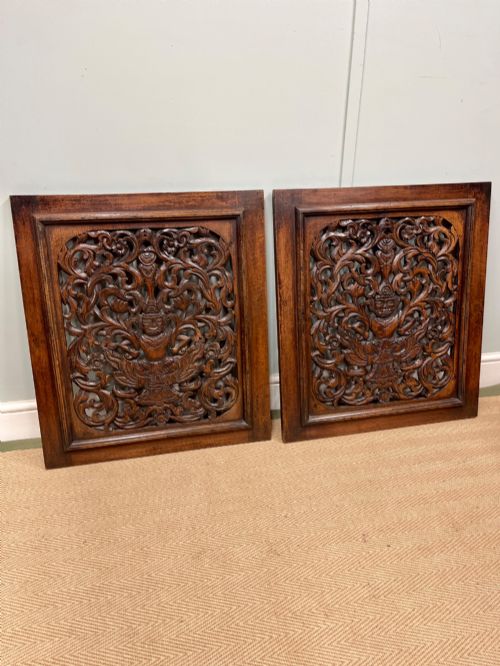
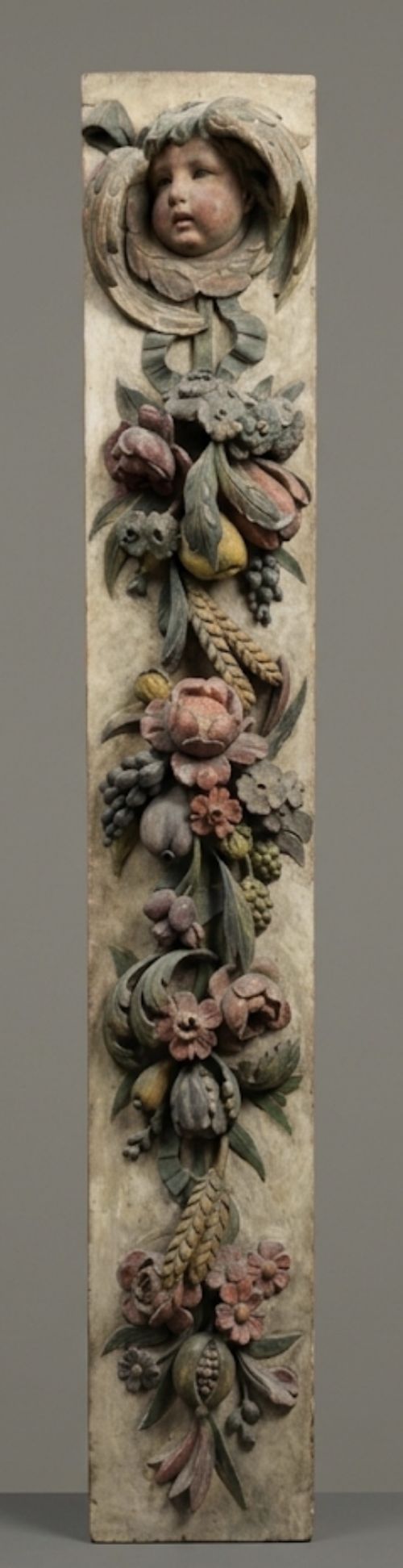
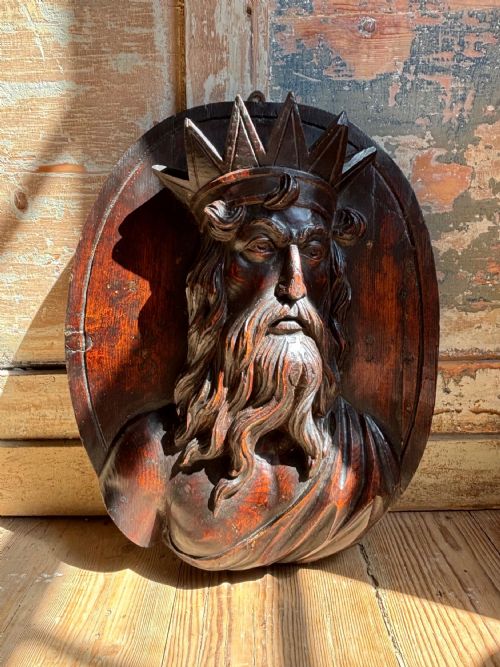
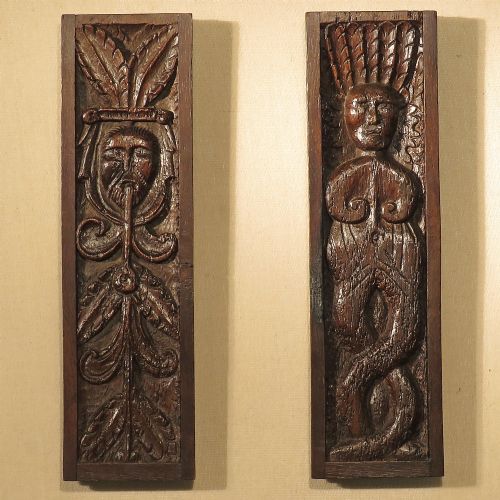
Carved Timber Relief Panel
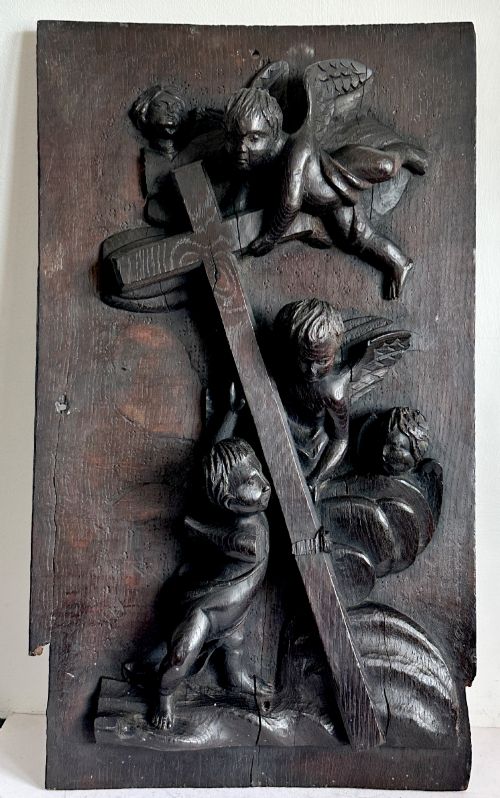
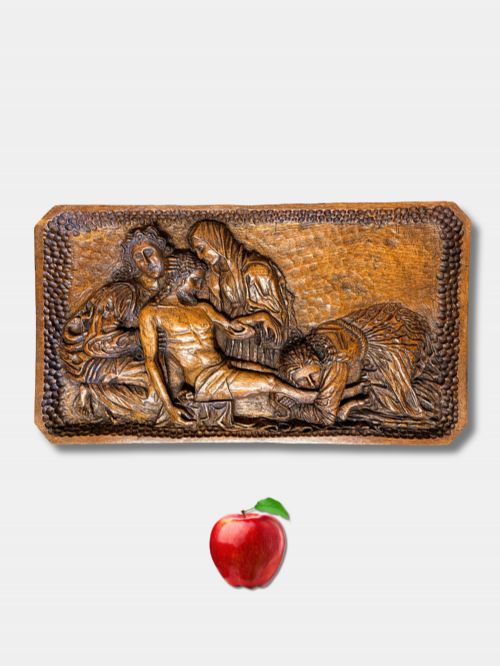
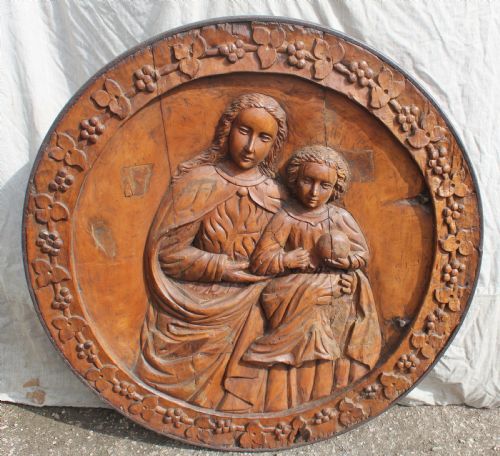
A carved timber relief panel brings centuries of architectural depth and figural storytelling directly to an interior wall.
Carved Timber Relief Panel
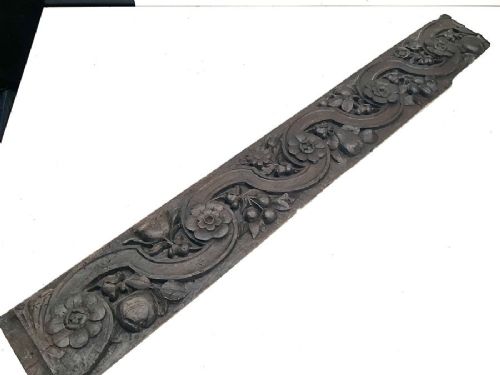
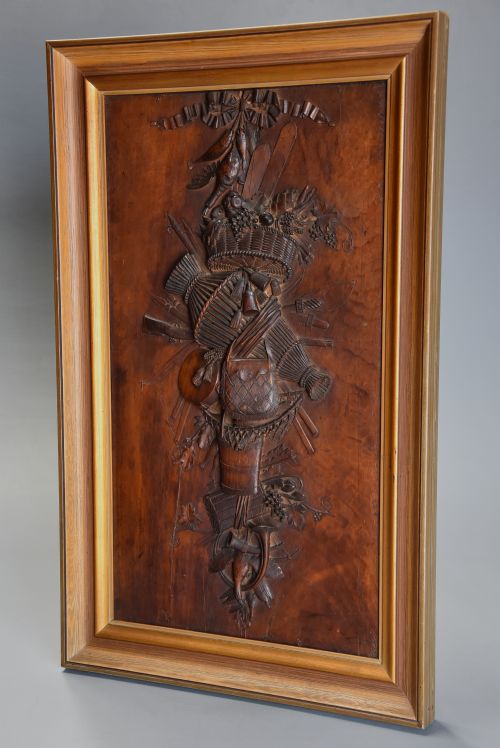
A carved timber relief panel is a sculptural wooden work designed to project from a flat surface, encompassing forms such as wall plaques, architectural salvage, and ceiling bosses. When searching for a carved timber relief panel, buyers most frequently encounter pieces fashioned from oak and walnut dating from the sixteenth to the nineteenth centuries.
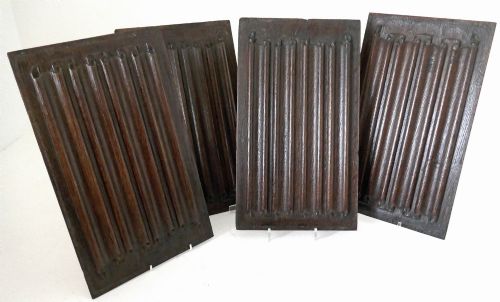
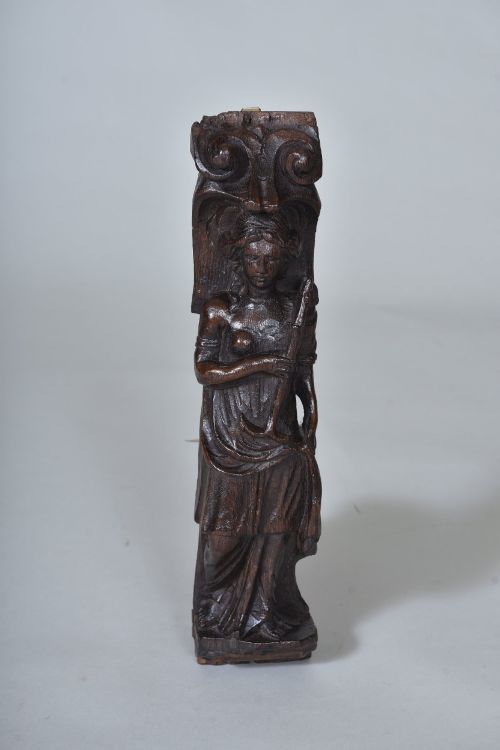
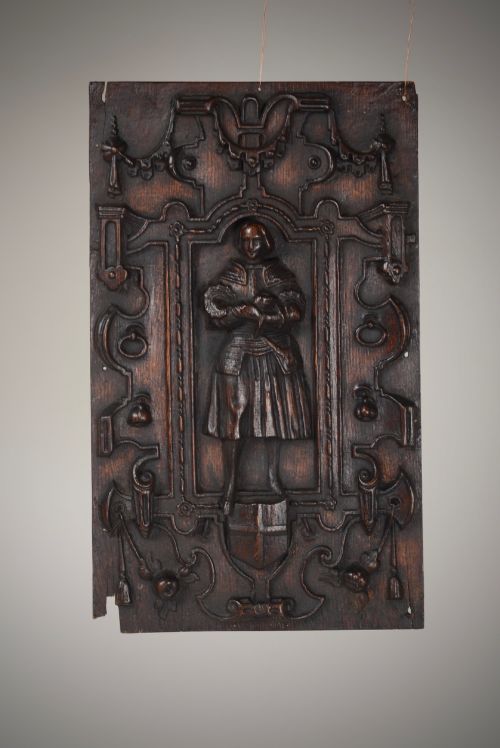
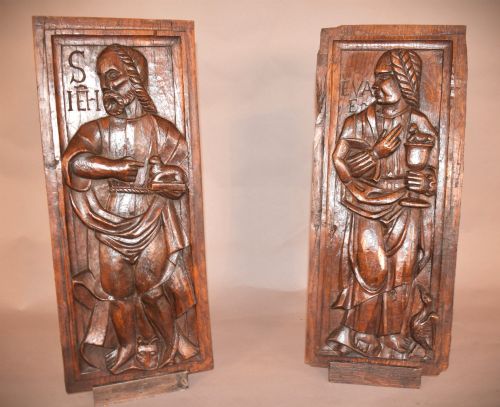
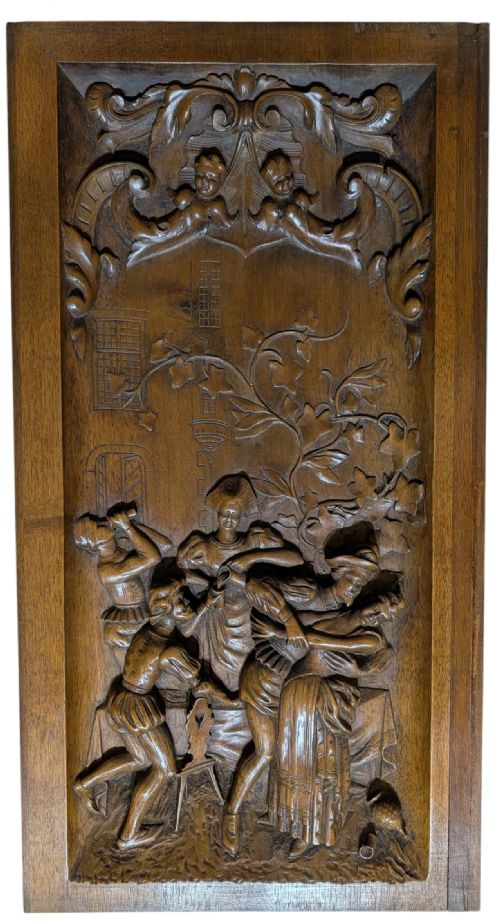
The selections span ecclesiastical fragments, figurative scenes depicting historical or religious narratives, and decorative architectural elements. Originating from workshops across England, continental Europe, and beyond, these items range from compact Tudor linenfold fragments to large Baroque and Gothic Revival wall panels.
Materials and Construction
These works rely predominantly on dense hardwoods such as oak, walnut, chestnut, and fruitwood, selected for their stability under intricate hand-chiselling. Craftsmen utilised traditional gouges and chisels to shape the timber, often integrating deep undercutting to achieve three-dimensional relief.
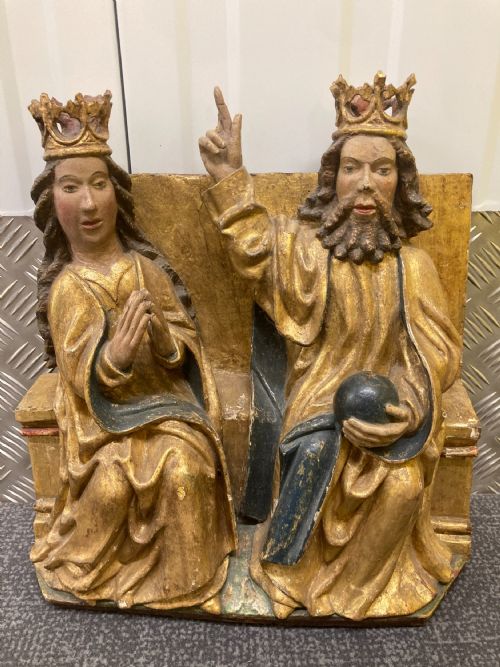
Surface treatments recorded in the evidence include applied gold leaf, polychrome paint, and parcel gilt highlights over wood and gesso. Structural integrity was maintained through mortise and tenon framing or direct attachment as architectural elements in ceilings, staircases, and overdoors.
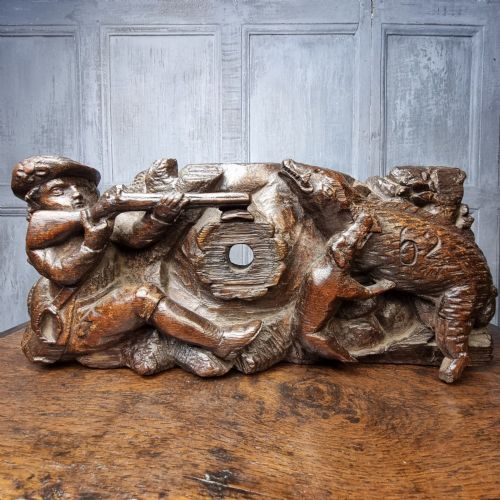
Among the historical figures immortalised in timber are Joan of Arc, Neptune, the Green Man, and an unfortunate chicken thief.
Assessing Craftsmanship and Execution
The distinction between standard decorative work and master-level execution lies in the handling of perspective and the complexity of pierced or high-relief elements. Pieces attributed to notable workshops demonstrate a higher degree of sculptural confidence and refinement in secondary details like acanthus leaves and cherubim.
Edward Pearce·Grinling Gibbons·Thomas Chippendale
The Carved Timber Relief Panel Glossary
- Relief
- A sculptural technique where the sculpted elements remain attached to a solid background of the same material. High relief projects significantly from the plane, while low relief remains flatter.
- Linenfold
- A style of wood panel moulding used in the sixteenth century to imitate folded linen fabric. It appears frequently on early domestic and ecclesiastical joinery.
- Polychrome
- The practice of decorating architectural elements or sculptures in a variety of bright colours. It is frequently found on earlier religious carvings combined with gesso or gold leaf.
- Ceiling Boss
- A decorative projecting block placed at the intersection of ribs in a vaulted ceiling. These architectural salvage pieces often feature floral, figural, or heraldic carvings.
- Acanthus
- A decorative motif based on the leaves of the Mediterranean acanthus plant, heavily utilised in classical, Baroque, and Renaissance carving. It provides fluid, scroll-like ornamentation to borders and friezes.
Carved Timber Relief Panel: Frequently Asked Questions
How were carved timber relief panels originally used?
These panels functioned primarily as architectural elements within churches, grand houses, and civic buildings, appearing as overdoors, staircase components, and ceiling bosses.
Over time, many were salvaged from historic interiors to be mounted directly onto walls as standalone artworks and decorative plaques.
How do I care for an antique wooden panel?
Keep wooden panels away from direct heat sources and dramatic fluctuations in humidity to prevent the timber from splitting or warping.
Dust gently with a dry, soft cloth and avoid applying modern polishes or oils unless advised by a specialist restorer.
Can I hang a heavy oak relief panel safely?
Heavier panels require professional mounting hardware secured directly into wall studs or masonry to support the substantial weight of dense hardwoods like oak and walnut.
Many antique pieces retain their original framing or hanging points, but an assessment of the structural integrity of the timber backing is recommended prior to installation.
How do I distinguish sixteenth-century panels from nineteenth-century revivals?
Sixteenth-century panels typically display tool marks consistent with early hand-chiselling, alongside natural timber shrinkage and historic worm channels characteristic of aged oak.
Nineteenth-century Gothic Revival pieces often utilise machine-assisted preparation or exhibit a uniform crispness and patination that reflects later stylistic imitation.