


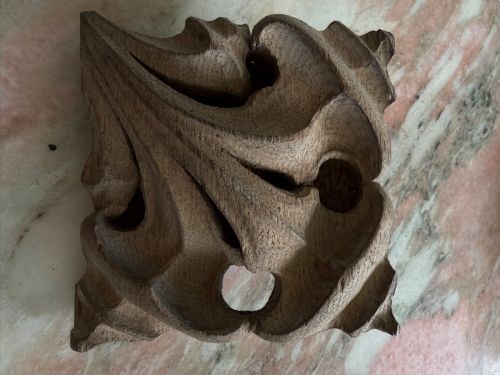


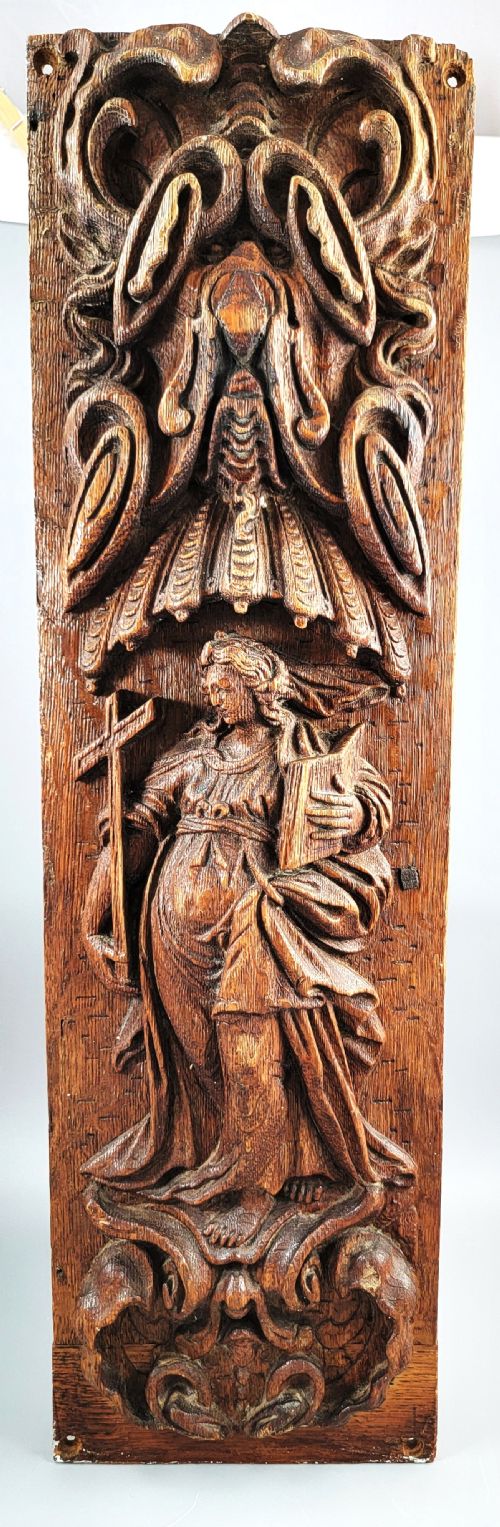


Carved Wooden Fragment
A carved wooden fragment brings tactile history to a room, offering surviving portions of architectural schemes, religious panels and theatre props.
Carved Wooden Fragment
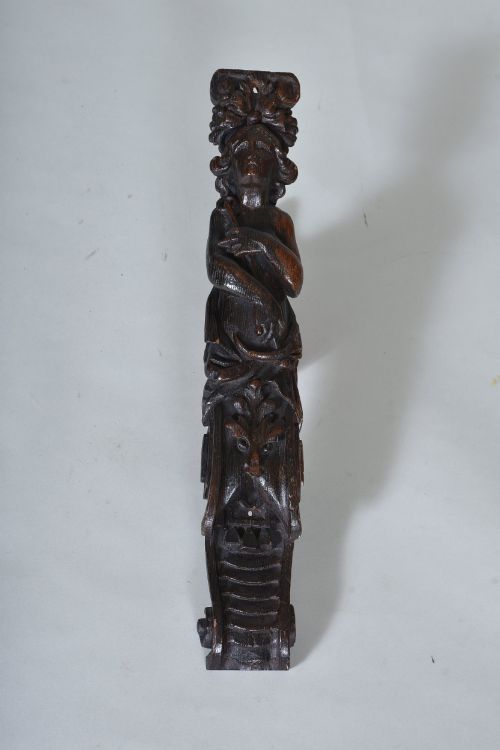
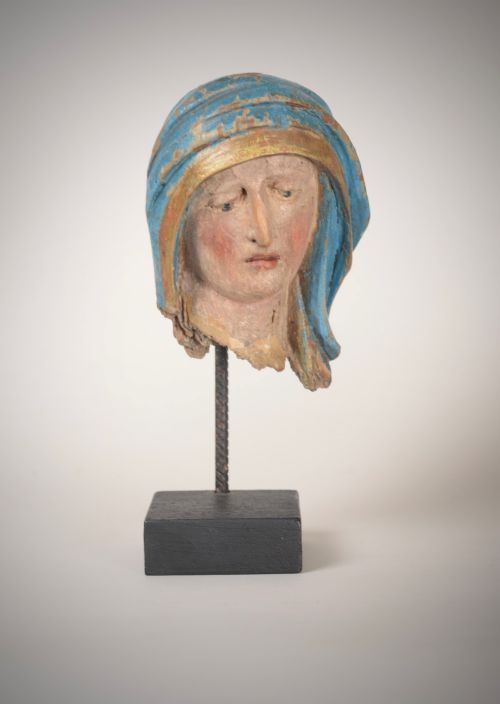
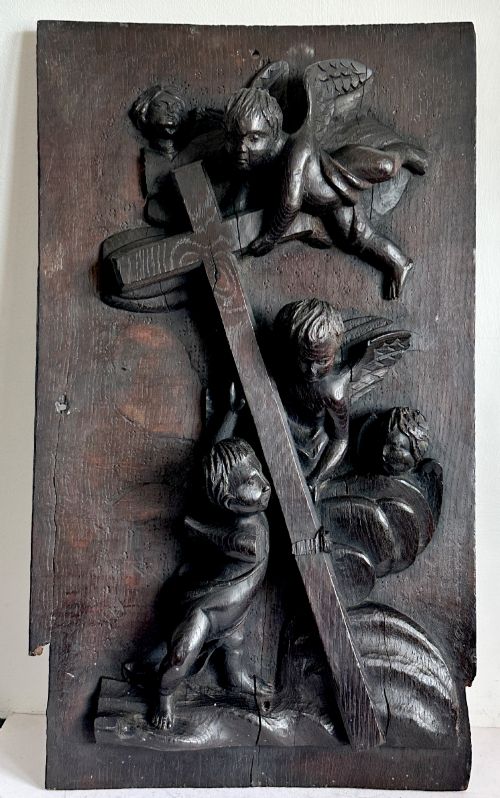
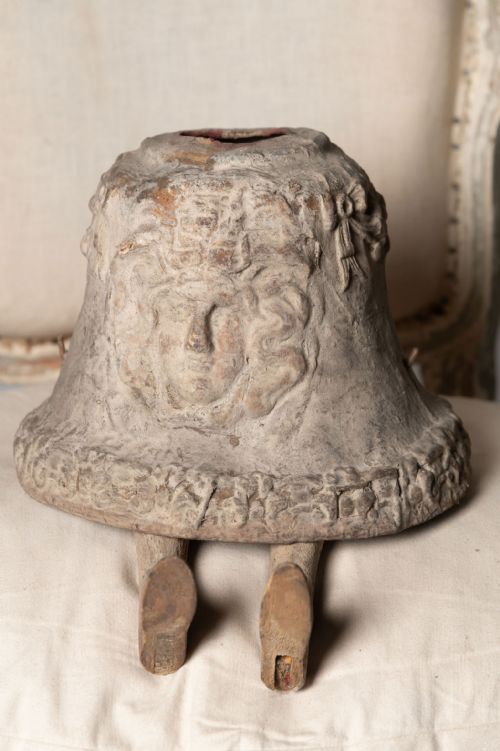
When you search for a carved wooden fragment, you encounter surviving pieces of architectural salvage, wall reliefs, ceiling bosses and sculptural elements drawn from centuries of craftsmanship. These objects originate from diverse contexts such as seventeenth-century oak panels, sixteenth-century religious sculptures, nineteenth-century Sicilian carts and early twentieth-century fairground rides.
The version you are most likely to meet on this page is an oak panel or architectural carving originating from the seventeenth century, often depicting religious motifs like cherubs or saints. Alongside these European examples, listings also encompass Indian roof decorations, Burmese temple carvings and Italian theatrical props.
These items function independently as decorative wall art, retaining the physical texture and patina of their original structural or decorative purpose. Collectors value them for their direct connection to historic interiors and vernacular traditions across Britain, Europe and beyond.
How they were made
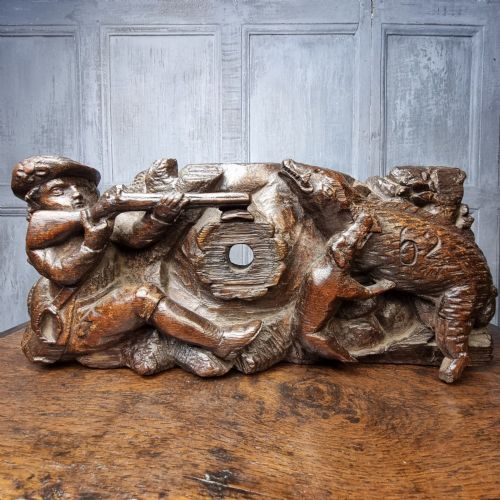
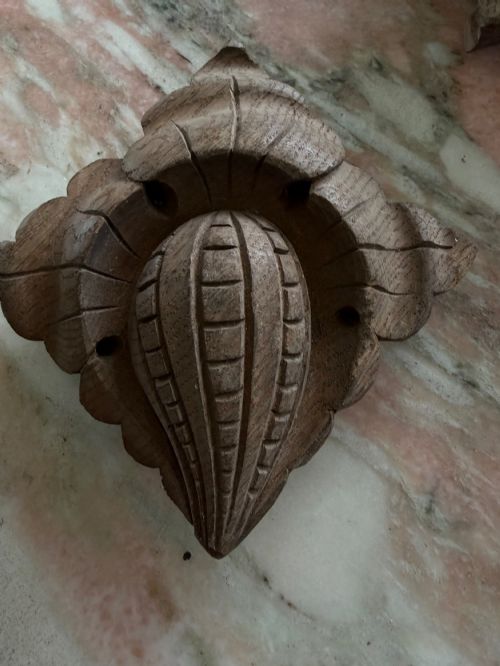
The primary material across these pieces is oak, supplemented by walnut, stained hardwood and general carved wood shaped through traditional hand carpentry. Artisans utilised gouges, chisels and mallets to create deep relief carvings directly into the timber.
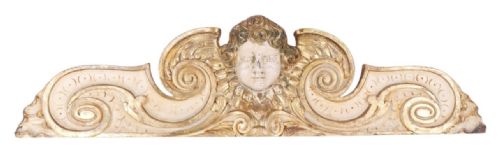
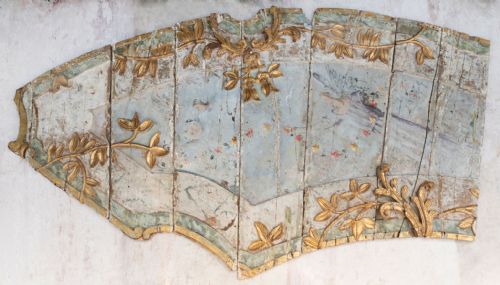
Many surfaces received applied treatments including gold leaf, gesso, paint and polychrome decoration to enhance architectural impact. These decorative layers often survive in fragments, revealing the original chromatic scheme beneath centuries of wear.
Listings feature items spanning the sixteenth century to the early twentieth century, utilising oak, walnut and painted gesso.
What varies in quality
Depth of carving and clarity of detail distinguish the finer examples from simpler vernacular work, particularly in the rendering of facial expressions on figures and cherubs. The skill of the hand in shaping drapery, foliage or anatomy dictates the visual power of the surviving relief.
The integrity of the remaining surface finish, whether original polychrome, paint or bare timber with historic patina, plays a vital role in the character of the piece. Preservation of the original edge detail and the honesty of the fragment determine its appeal to purist collectors.
The Carved Wooden Fragment Glossary
- Architectural salvage
- Building elements rescued from structures slated for demolition or alteration. These range from ceiling panels to over door carvings.
- Ceiling boss
- A decorative projection positioned at the intersection of ribs in a vaulted ceiling or roof. They frequently take the form of carved leaves or figural heads.
- Polychrome
- The practice of decorating architectural elements and sculptures in a variety of colours. Traces of this pigment often survive on historic wood carvings.
- Caryatid
- A sculpted female figure serving as an architectural support taking the place of a column or a pilaster. They appear in antique carvings as single structural fragments.
- Gesso
- A plaster mix applied to wood surfaces as a base for painting or gilding. This ground layer holds the fine detail of historic decorative schemes.
Carved Wooden Fragment: Frequently Asked Questions
How were carved wooden fragments originally used?
These items served functional and decorative roles within buildings, furniture, vehicles and theatrical productions. Many formed parts of larger religious altarpieces, ceiling structures or exterior architectural schemes.
Over time, as buildings were remodelled or dismantled, these specific sections were salvaged and preserved independently as decorative works of art.
How should I hang a wall relief?
Due to the weight and irregular shape of antique timber pieces, secure fixings tailored to your wall type are essential. Consult a professional framer or installer to ensure the weight is properly supported.
Position the fragment at eye level where adequate lighting can emphasise the depth and shadow of the hand-carved details.
How do I care for antique wood?
Keep wooden fragments away from direct sunlight, radiators and sudden changes in humidity to prevent the timber from drying out or cracking. Dust gently with a dry, soft cloth without applying modern polishes or oils.
Allow the historic surface and natural patina to remain undisturbed by harsh cleaning agents.
How can I tell the period of a carving?
Dating relies on the style of the carving, such as Gothic Revival or Baroque, combined with the tool marks left in the timber and the type of wood used. Examining the back and edges often reveals construction methods specific to certain centuries.
Comparing the piece to documented examples from workshops and regions helps narrow down its age and origin.