
Folk Art Wood Carving
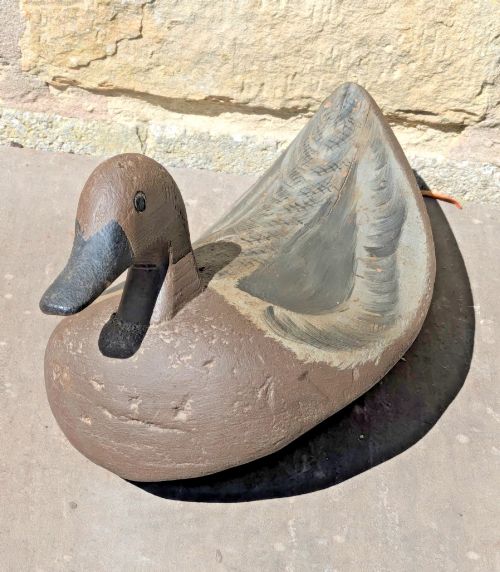
These pieces of folk art wood carving bring domestic sculpture, decoy ducks and carved boxes straight from centuries past into a room.
Folk Art Wood Carving
When a buyer looks for folk art wood carving, they encounter a diverse assembly of utilitarian objects, animal figures and devotional pieces shaped by hand. These items span from the eighteenth century through the Edwardian period and the early decades of the twentieth century, originating across English, Scandinavian, French, Swiss and Asian traditions.
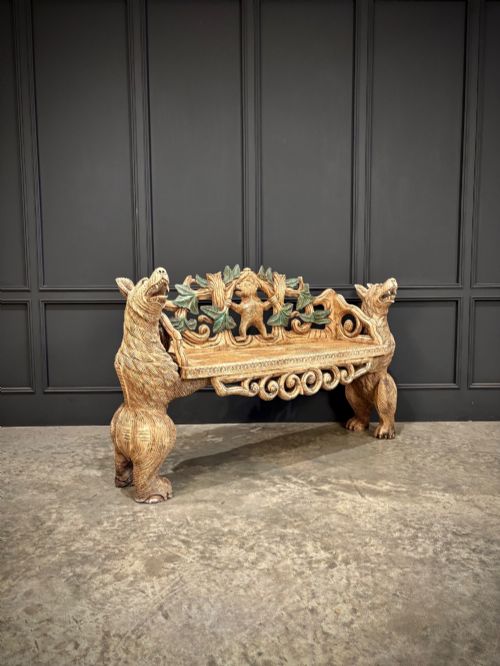
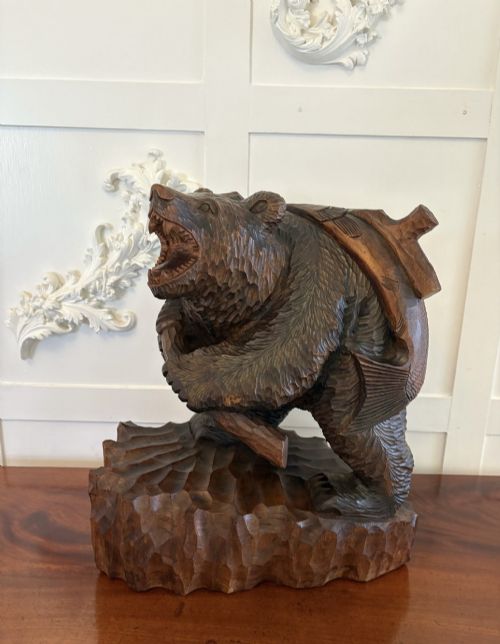
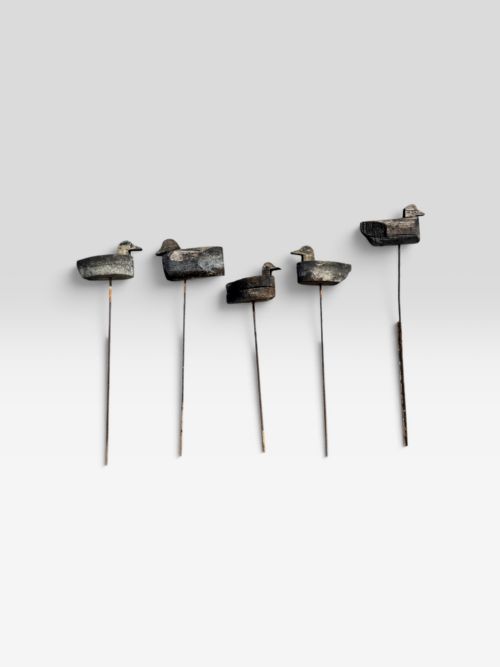
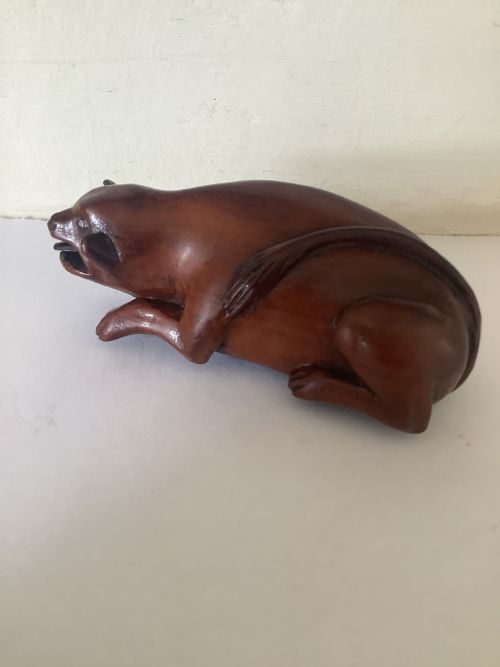
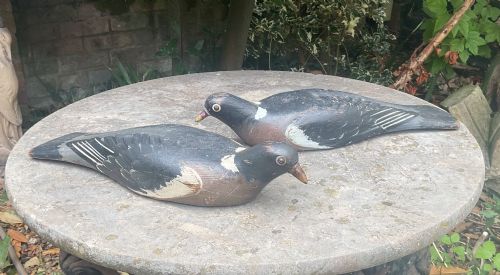
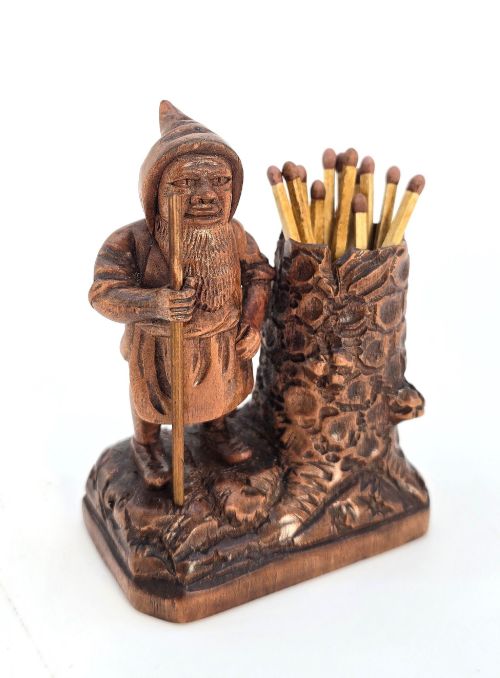
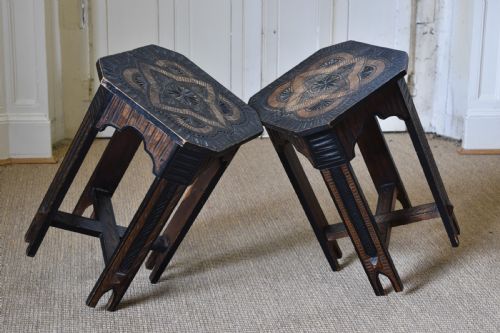
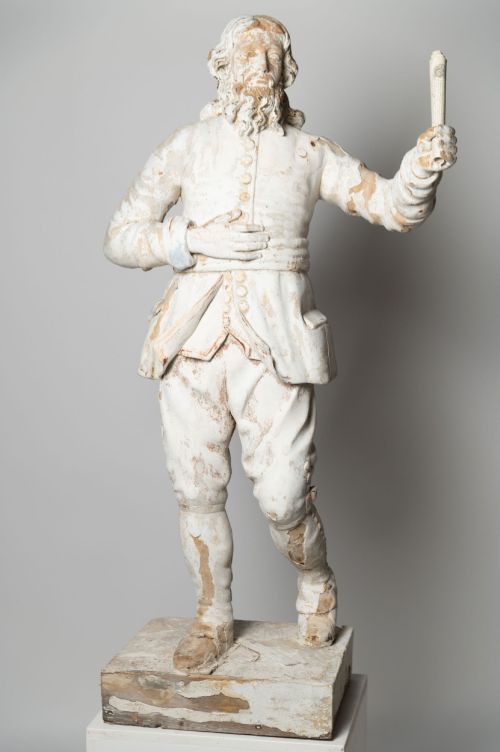
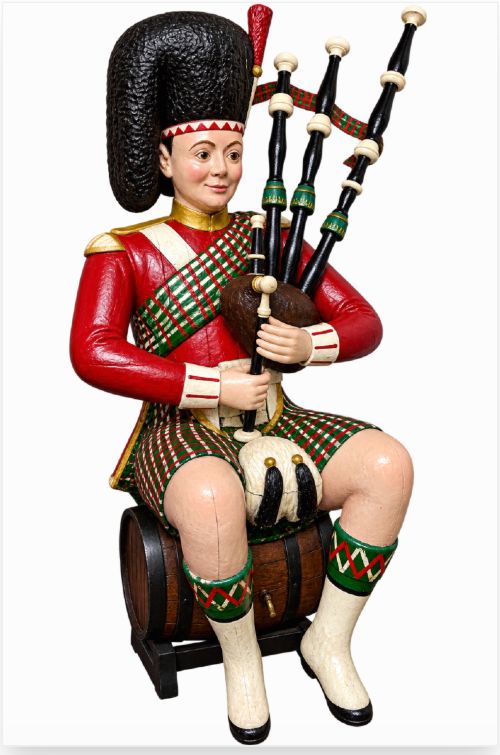
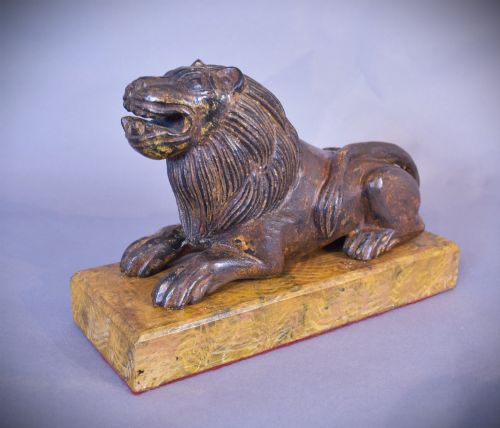
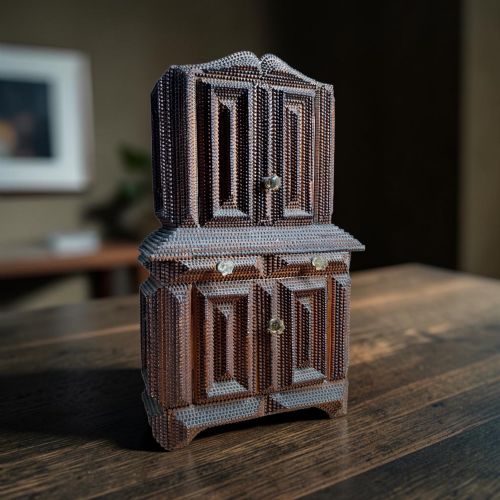
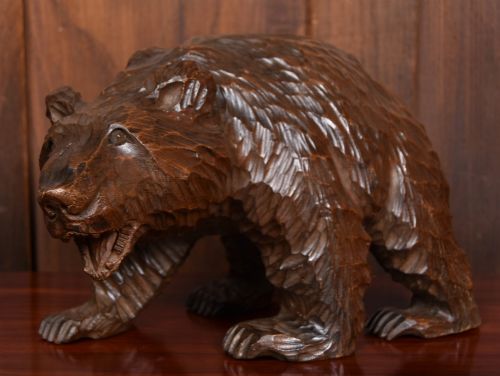
The most common forms on this page include painted duck decoys, carved bears from Black Forest and Japanese origins, tramp art boxes, and functional treen items such as snuff boxes and knitting sheaths. Alongside these domestic objects appear architectural elements, side tables and figurative sculptures representing saints, noblemen and animals.
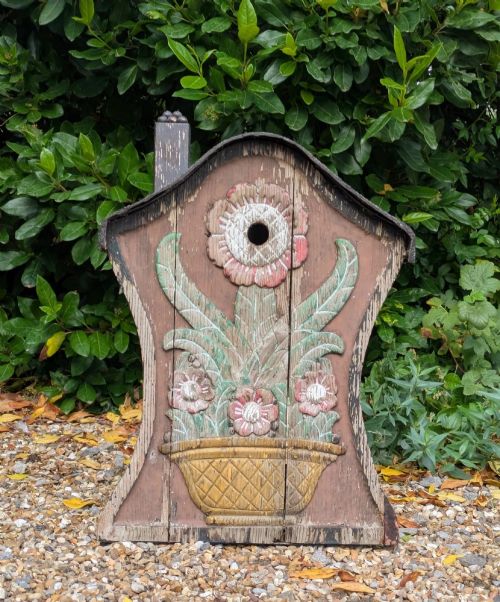
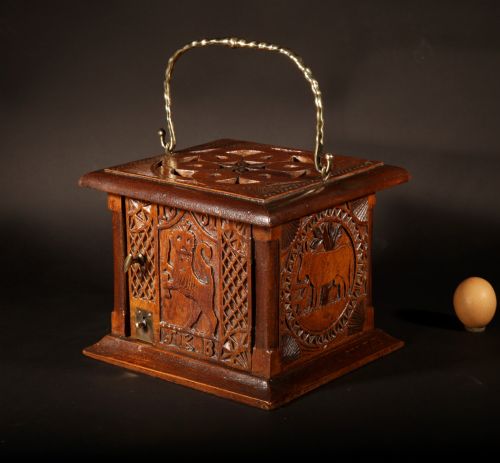
The materials and styles reflect regional vernacular methods, combining simple timber construction with paint, glass, brass and iron details. Buyers find everything from chip-carved foot warmers and twig tables to intricate maritime dioramas and naive bird boxes.
Materials and Techniques
Makers shaped these objects primarily from accessible woods like oak, fruitwood, walnut, linden and general timber using hand chisels and knives. Many surfaces show the distinct marks of chip carving, punchwork and incised line decoration.
Paint played a significant role in finishing these pieces, with numerous items retaining their original pigmented or partly painted surfaces. Additional materials such as glass, brass and iron appear as functional hardware or decorative inlays on boxes and tables.
Folk Art Wood Carving Retail Price Guide 2026
Typical asking prices for folk art wood carving among the pieces listed under this phrase on Sellingantiques today, from the lower quarter to the upper quarter. They describe what is for sale here now, not the wider market.
Listings feature woods including oak, fruitwood, walnut, linden and mixed timber alongside painted finishes, glass and brass.
Assessing Quality
Quality in these carvings rests upon the clarity of the maker's hand and the expressive strength of the form. A well-executed piece displays confident tool work that defines the subject without excessive refinement, retaining the charming directness characteristic of vernacular output.
The preservation of original surface treatments, including untouched paint and honest patina from age and use, distinguishes superior examples. Pieces that combine secure construction with distinct regional characteristics or documented dates hold greater interest.
The Folk Art Wood Carving Glossary
- Treen
- Small handmade wooden household objects. These functional items include snuff boxes, knitting sheaths and foot warmers made for daily use.
- Decoy
- A carved and painted bird or animal figure once used in hunting. Makers shaped these from wood to attract waterfowl in regional wetlands.
- Chip carving
- A technique of removing small chips from a wooden surface with a knife to create geometric patterns. This method decorates boxes, tables and architectural panels.
- Tramp art
- Layered woodwork constructed from discarded materials such as cigar boxes and crate wood. Artisans notched and stacked the chips to form mirrors, frames and cabinets.
- Black Forest
- Carved wooden figures and furniture originating from the Swiss and German mountain regions. These typically depict bears, animals and forest foliage.
Folk Art Wood Carving: Frequently Asked Questions
How are these carvings dated?
Makers frequently inscribed dates, initials or names directly into the wood of boxes, figures and models.
Stylistic traits, regional tool methods and the wear of the timber help place undated pieces within the eighteenth, nineteenth or early twentieth centuries.
Where did folk art carvings originate?
Makers produced these items across rural communities in England, Scandinavia, France, Switzerland, Germany and Asia.
Each region developed distinct forms using local timbers and traditional decorative techniques like chip carving or paint.
How should wooden carvings be cleaned?
Dusting gently with a dry, soft cloth preserves the original patina and any remaining historic paint.
Moisture and harsh cleaning agents can damage aged timber and lift delicate surface decoration.