
Victorian Wood Carving
Victorian wood carving brings substantial nineteenth century craftsmanship into a room through mirrors, sideboards and seating.
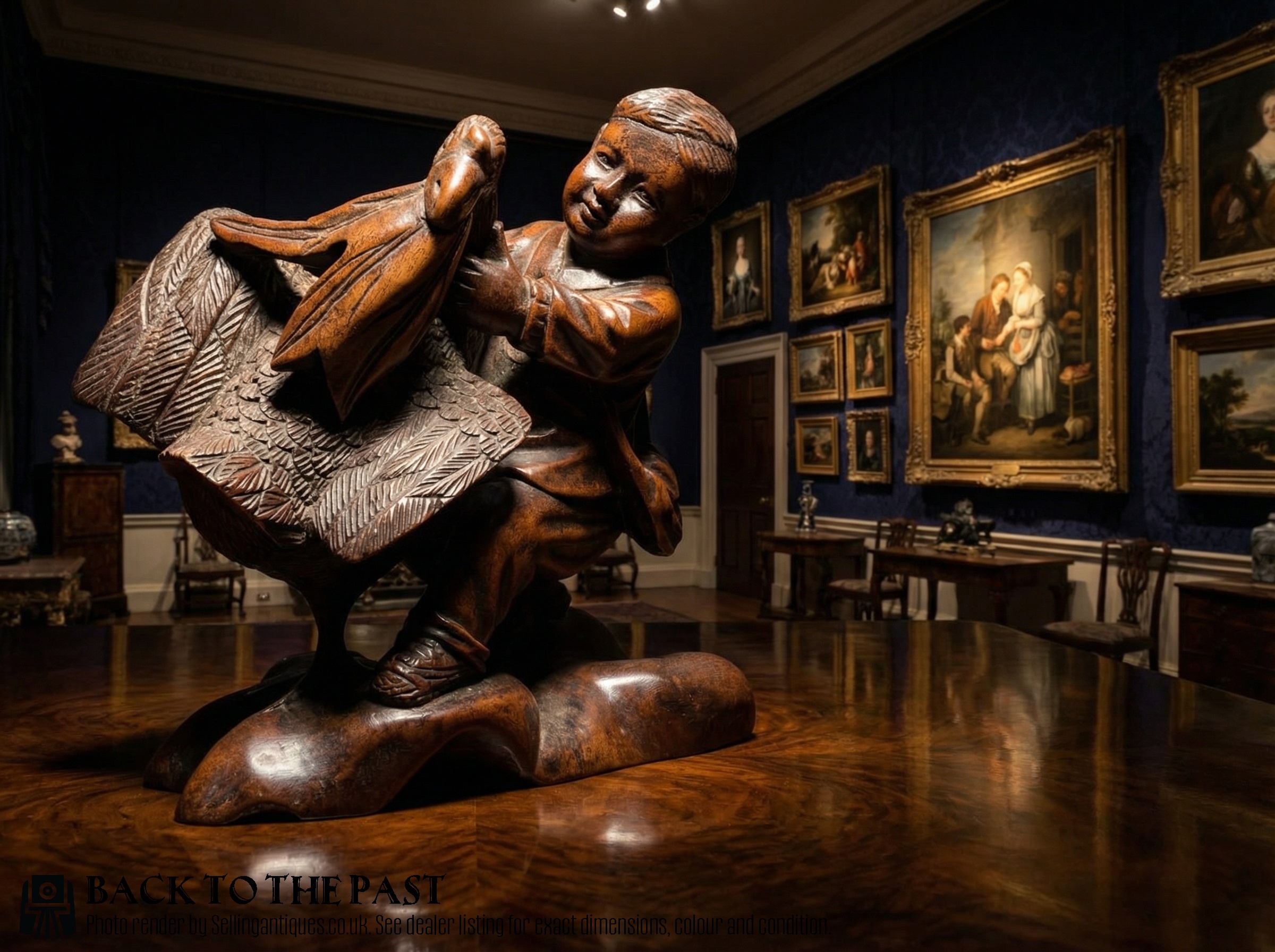
Victorian Wood Carving
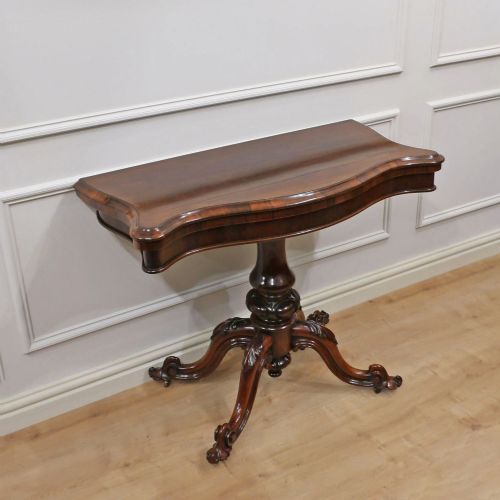
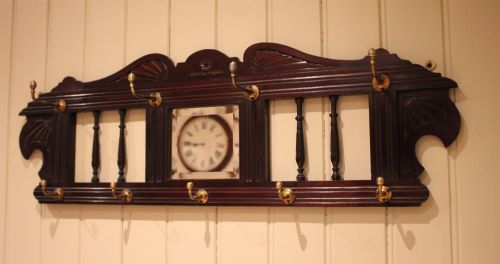
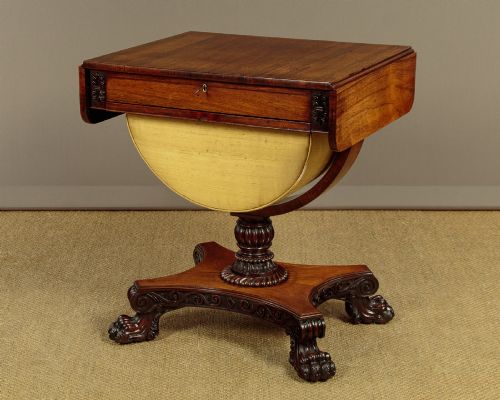
Victorian wood carving encompasses a wide range of functional and decorative household furnishings originating across the nineteenth century. These pieces include substantial oak sideboards, rosewood side tables, and elaborate giltwood wall mirrors.
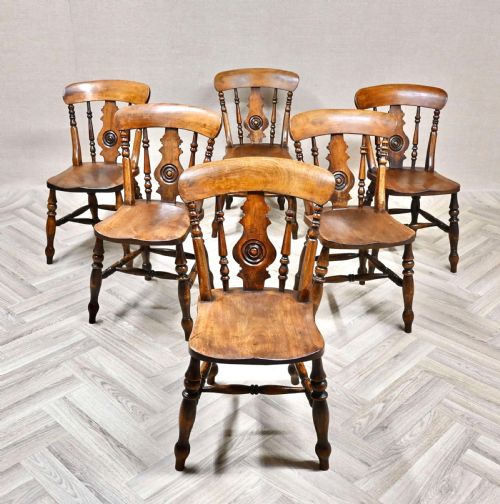
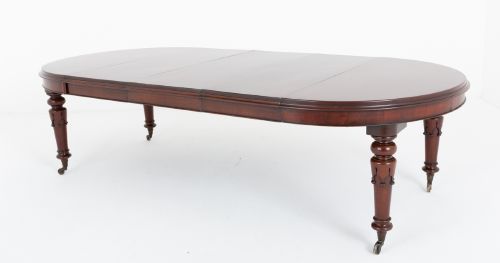
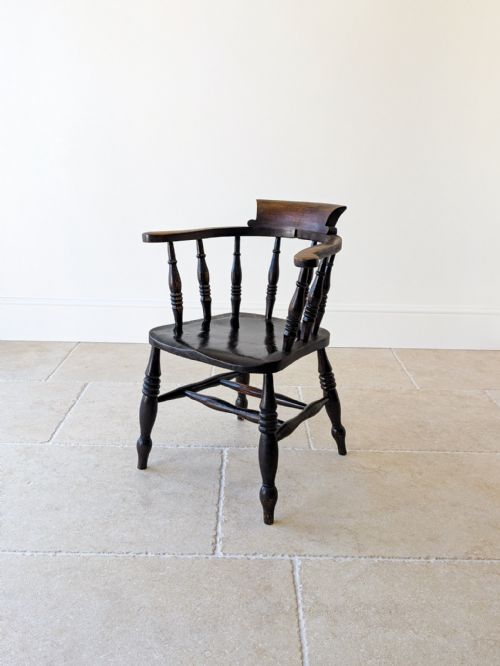
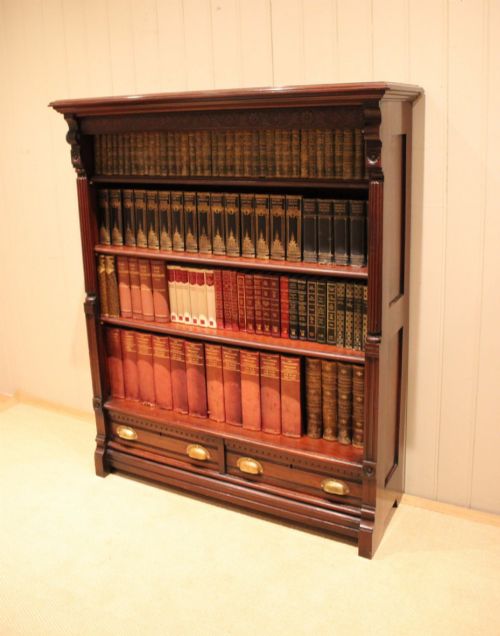
Buyers seeking this phrase encounter items spanning the 1850s to the turn of the twentieth century. Mahogany and walnut appear frequently in large storage pieces and display cabinets, while elm and ash form sturdy seating.
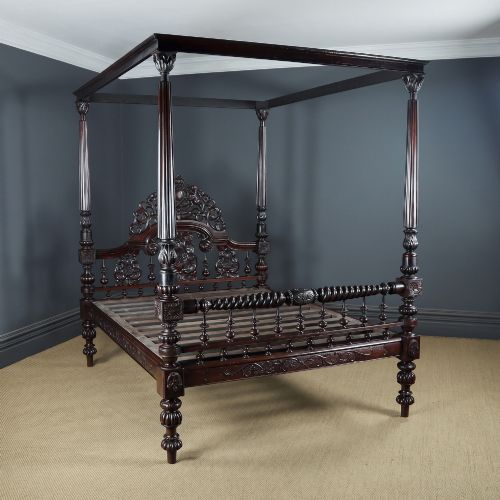
Stylistic influences range from Gothic Revival and French Rococo Revival to Anglo-Indian Colonial work. The selection reflects diverse domestic interiors from country houses to urban drawing rooms.
Materials and Technique
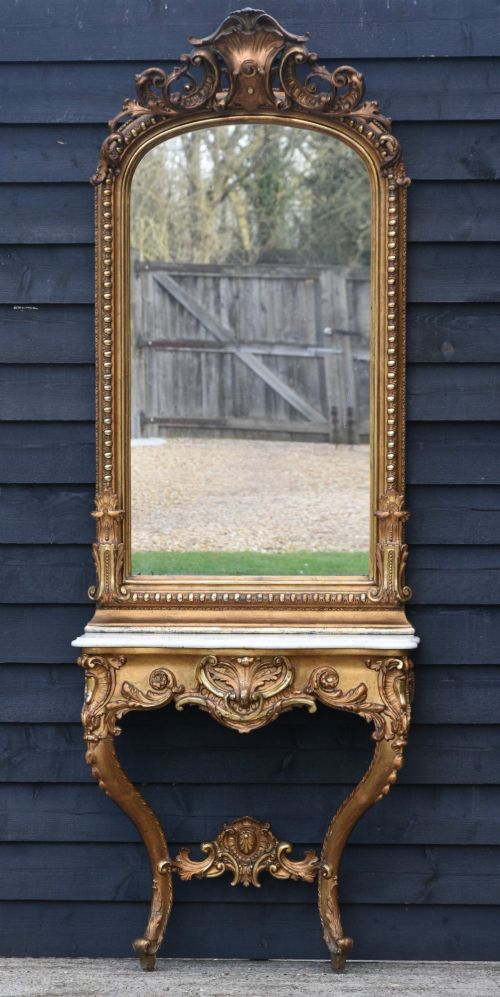
Makers utilised dense timbers such as mahogany, rosewood, oak and burr walnut as the foundation for heavy carving and structural support. Gesso and giltwood are applied to mirrors and console tables to create reflective, ornate surfaces.
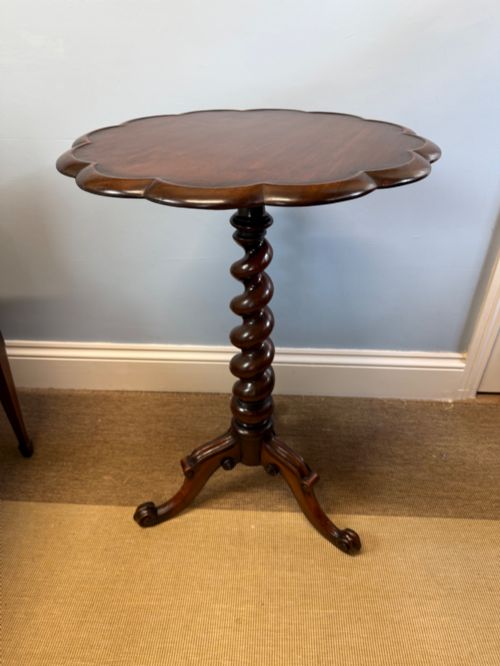
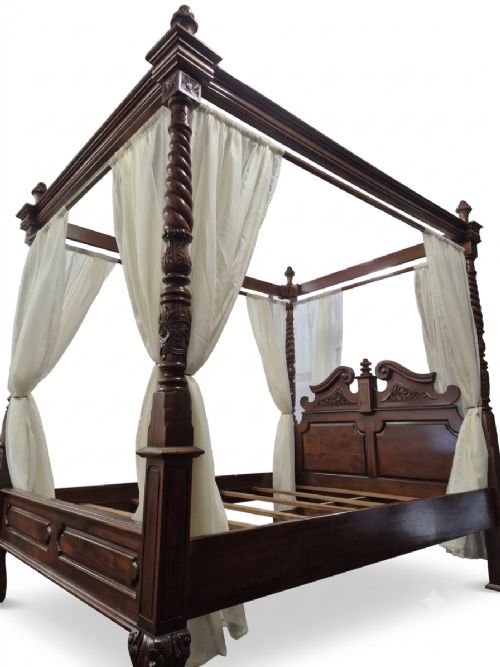
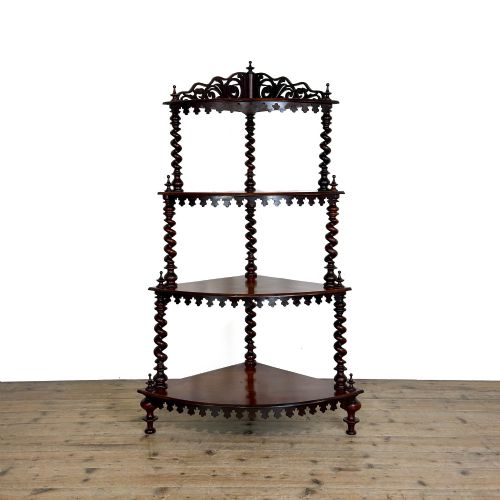
Craftsmen executed deep relief work by hand, shaping dense woods into barley twists, foliage and structural frames. Joinery combined traditional dovetailing and framing with applied mouldings and turned elements.
Recorded periods span from the 1840s through to 1900, incorporating Victorian, Regency and William IV stylistic traditions.
Distinctions in Execution
The standard of a carved piece rests upon the crispness of the hand work and the selection of timber figures such as flame mahogany or burr walnut. Superior items display deep, defined relief work without splintering in the grain.
Secondary woods and internal construction methods reveal the thoroughness of the original workshop. Heavy pieces benefit from stable joinery that supports the weight of marble tops or extensive shelving without sagging.
The Victorian Wood Carving Glossary
- Giltwood
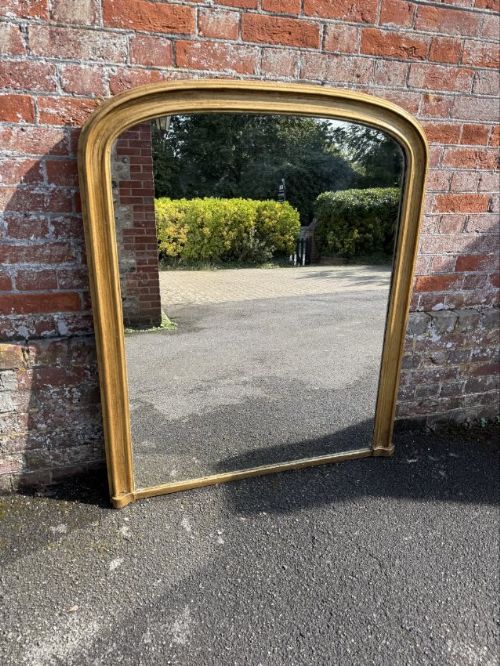
- Wood that has been coated with gold leaf or gilt preparation. This finish appears frequently on nineteenth century overmantle mirrors and console tables.
- Burr Walnut
- Timber taken from the warted growths of walnut trees, yielding a swirling grain pattern. Cabinet makers used veneers of this wood on games tables and display cabinets.
- Gesso
- A plaster mixture applied to wood surfaces as a base for gilding. It allows for crisp moulding and deep relief decoration on mirror frames.
- Barley Twist
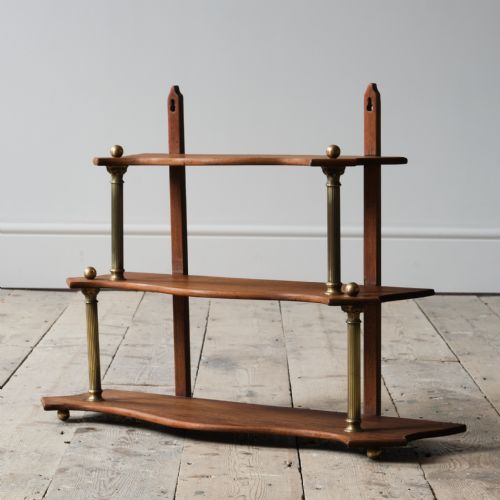
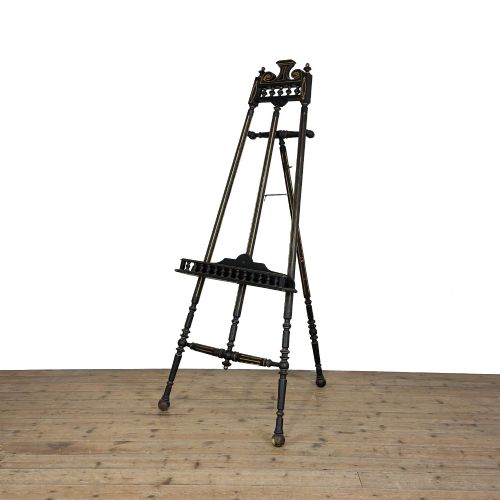
- A turned wooden column resembling a twisted rope. This detail decorates the supports of nineteenth century stands and whatnots.
- Whatnot
- A set of open shelves used for displaying ornaments or books. These pieces stand independently or hang upon walls.
Victorian Wood Carving: Frequently Asked Questions
How do I identify a Victorian mirror?
Examine the timber frame, backboards and gilding methods used in the construction. Nineteenth century examples often utilise heavy oak, pine or mahogany frames finished with gesso.
Look for original mercury silvering or early mirror plates showing minor oxidation. The weight and style of the carving provide clear indicators of period manufacture.
What is a Davenport desk?
A compact writing desk featuring a sloping top and drawers accessed from the side. These pieces gained popularity during the nineteenth century for use in smaller drawing rooms.
Cabinet makers frequently constructed them from rosewood or mahogany, incorporating small compartments and secret drawers within the upper superstructure.
How should I care for polished mahogany?
Maintain the timber by applying natural beeswax sparingly and buffing with a soft cloth. Avoid placing these items in direct sunlight or near heat sources to prevent the wood from drying out.
Keep humidity levels stable within the room to protect both the solid timber and delicate veneer surfaces from splitting.
What defines Anglo-Indian furniture?
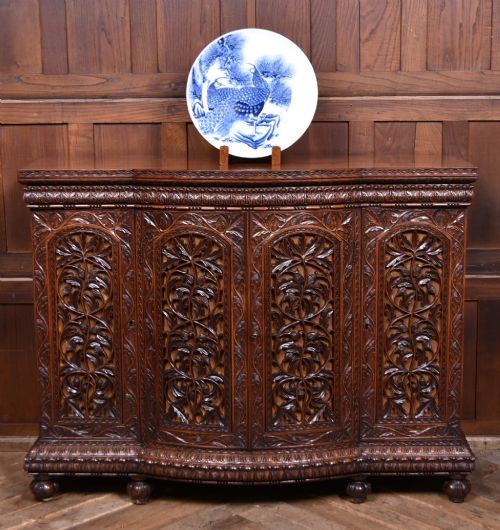
Anglo-Indian pieces combine traditional British forms with intricate native carving executed in exotic hardwoods. Workshops in regions like Burma and the Indian subcontinent produced items for export during the nineteenth century.
These objects utilise dense timbers such as padouk and teak, featuring dense floral motifs and figural carvings distinct from standard domestic British styles.