

Dark Wood Carving
Dark wood carving brings together rich timbers and hand-worked detail across centuries of furniture and decorative objects.
Dark Wood Carving
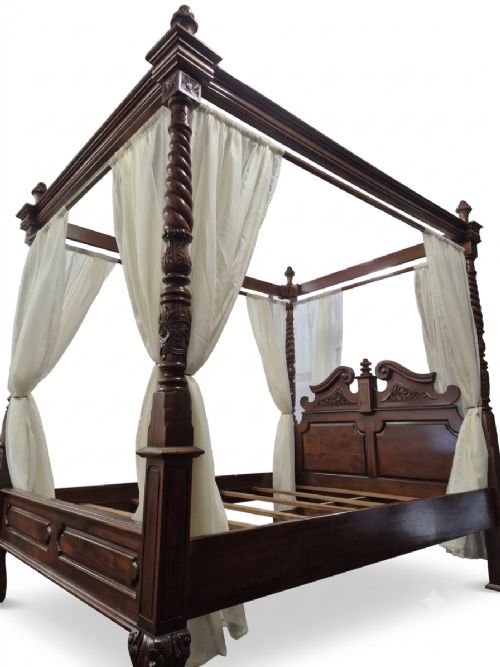
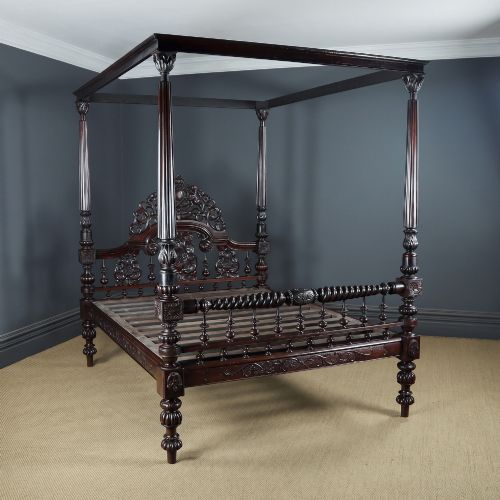
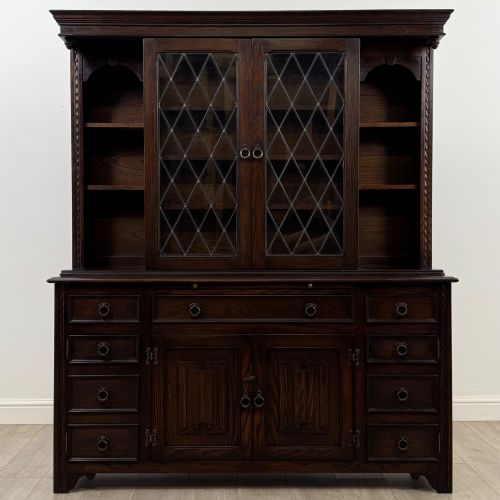
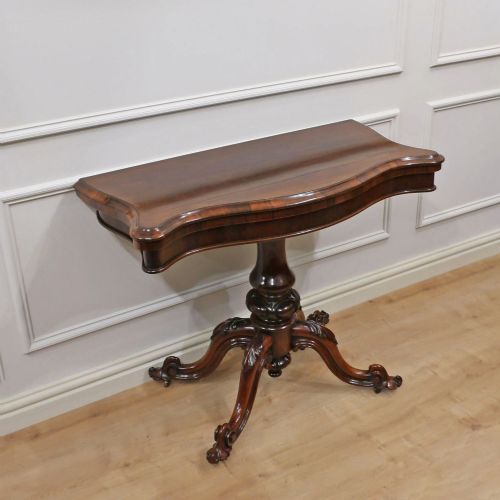
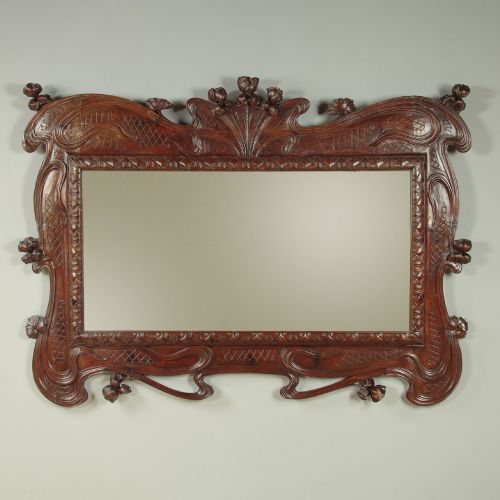
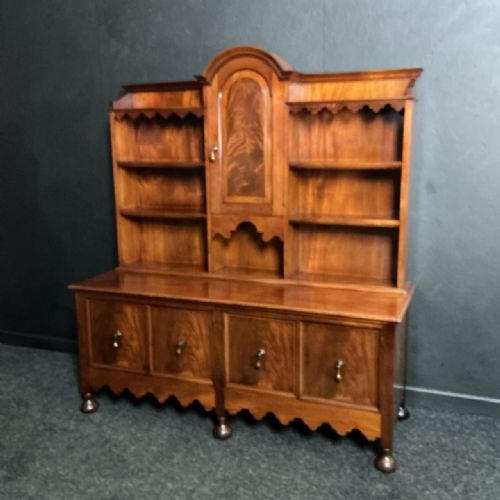
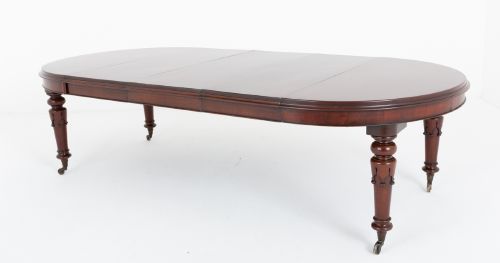
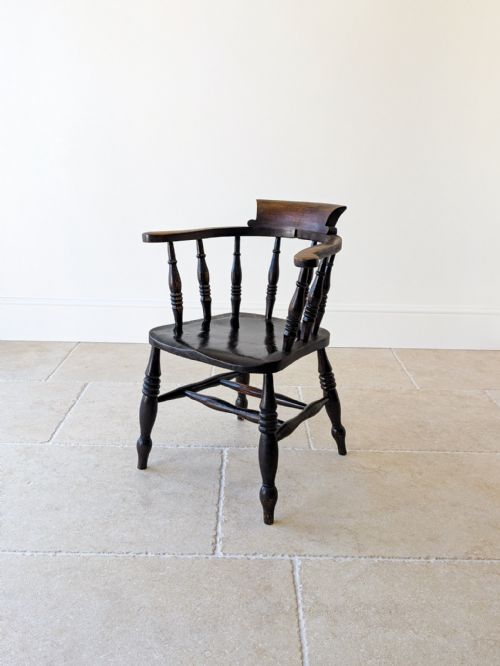
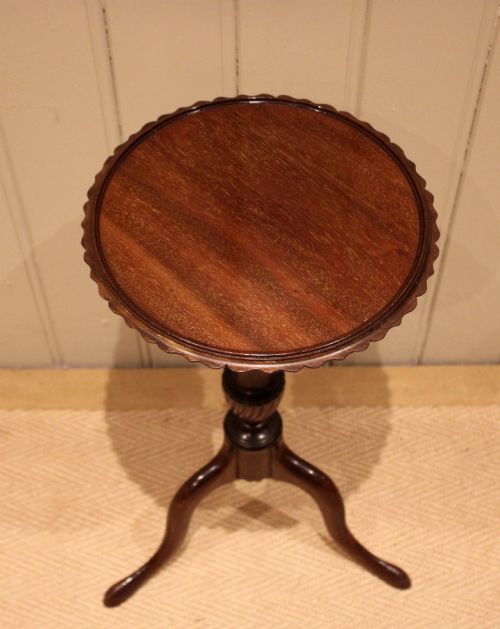
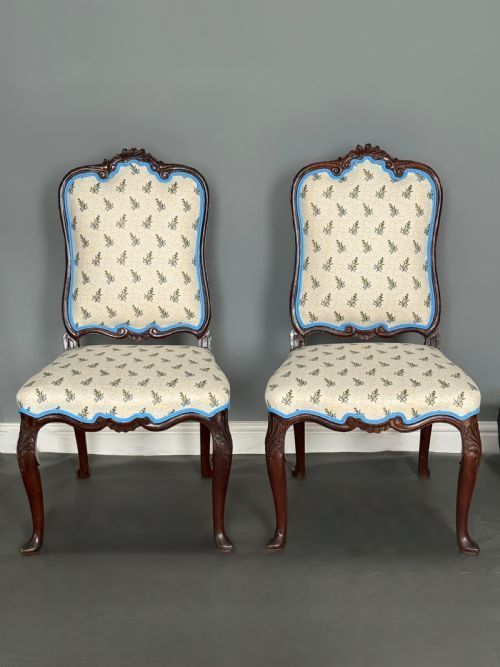
Dark wood carving spans a wide selection of furniture and decorative items produced during the nineteenth and twentieth centuries. Buyers encounter heavy oak coffers, mahogany sideboards, and rosewood display cabinets alongside smaller items like mirrors and occasional tables.
The material palette is anchored by dense timbers including mahogany, oak, rosewood, and padouk. These dark hardwoods provide a robust base for deep relief work and applied ornamentation.
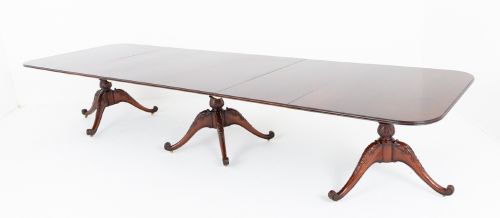
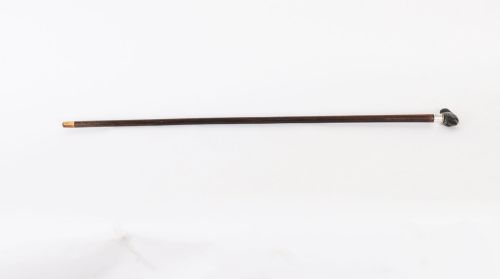
Many items originate from Victorian and Edwardian workshops, while others reflect Arts and Crafts, Anglo-Indian Colonial, and Art Nouveau design movements. Pieces range from large dining tables and bookcases to folding screens and walking canes.
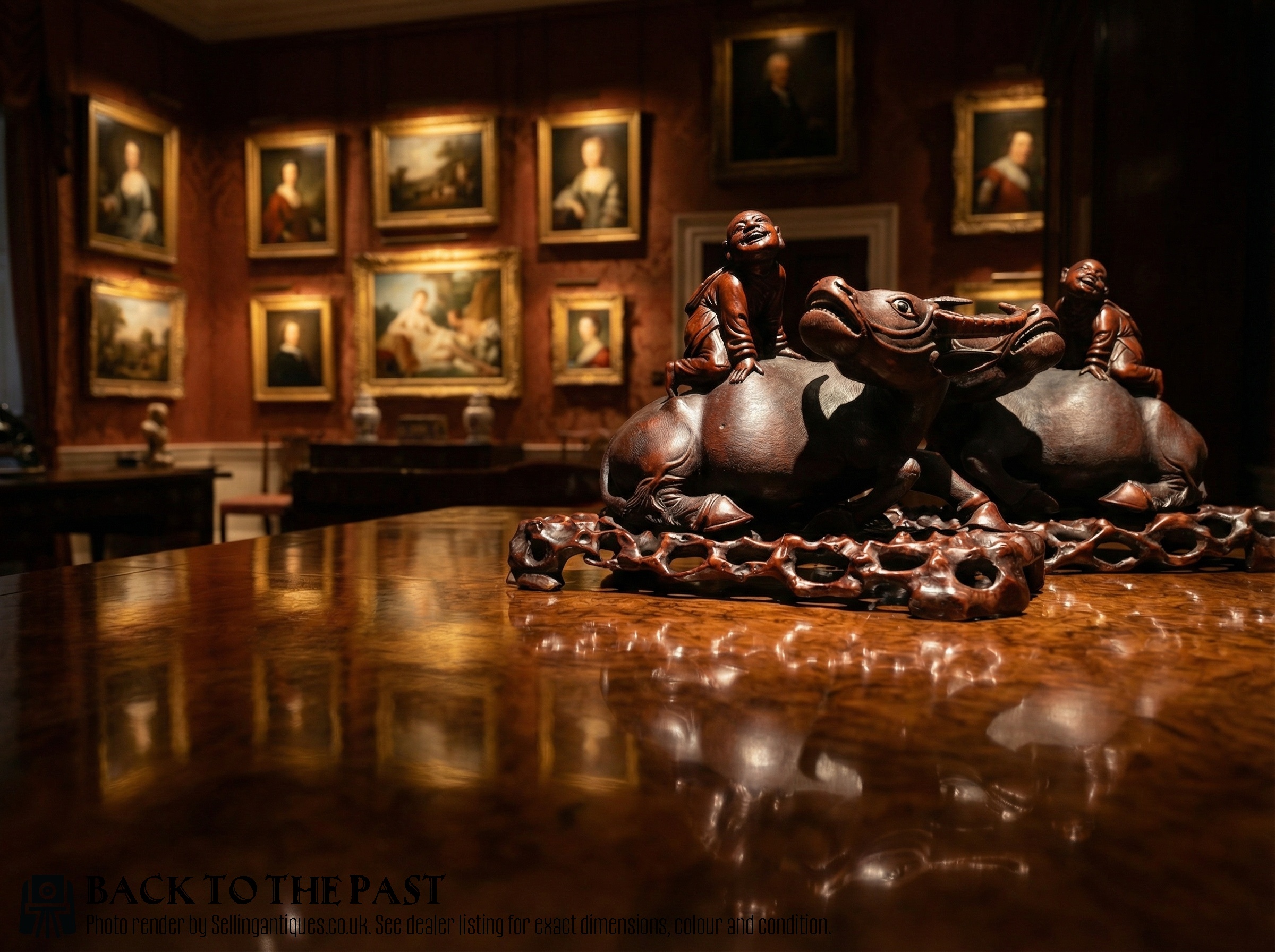
How they were made
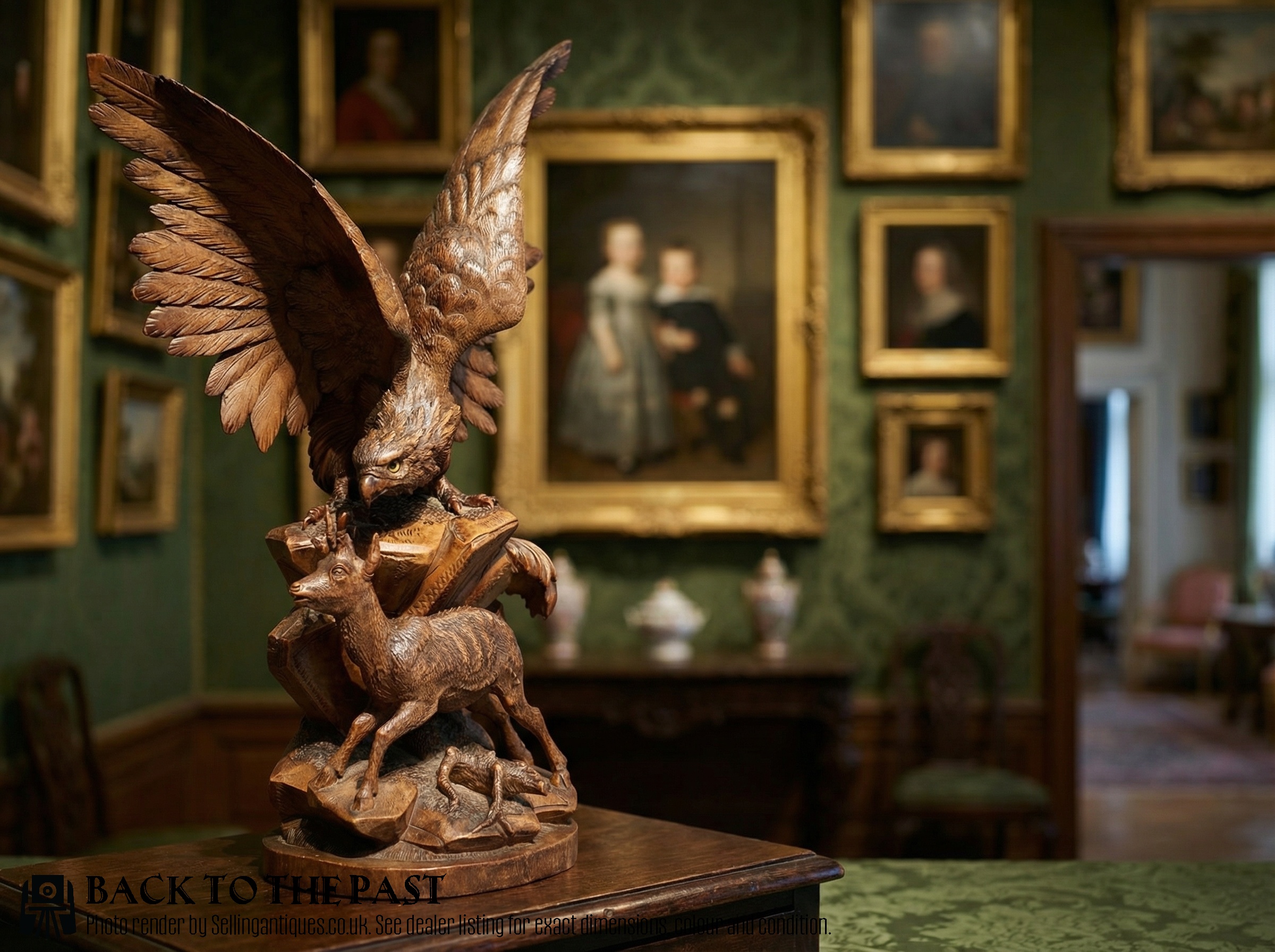
Craftsmen shaped dense timbers such as mahogany, oak, and rosewood using traditional hand chisels and gouges to achieve sharp, deep relief. The natural grain of the wood directs the interplay of light across the finished surface.
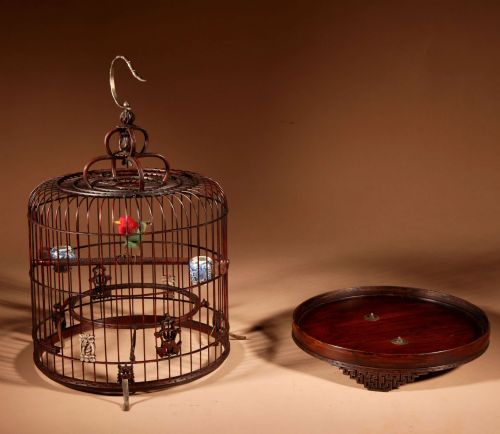
Secondary elements often incorporate brass mounts, glass panels, or carved bone figures to contrast with the dark primary timber. Joinery relies on traditional methods suited to heavy hardwoods.
Dark Wood Carving Retail Price Guide 2026
Typical asking prices for dark wood carving among the pieces listed under this phrase on Sellingantiques today, from the lower quarter to the upper quarter. They describe what is for sale here now, not the wider market.
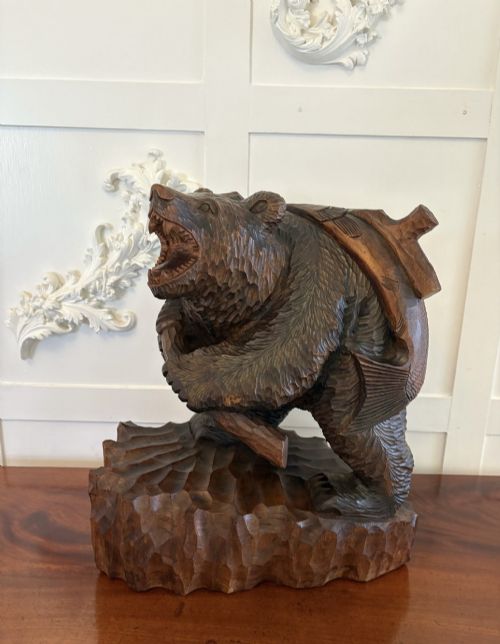
Japanese wooden bears bring sharp faceted cuts and deep stains into the dark wood carving category.
What varies in quality
The distinction between standard items and superior examples lies in the depth and crispness of the chisel work. Finer pieces display confident, undercut details that retain their sharpness rather than soft, rounded edges.
Material selection dictates durability and visual depth, with dense, figured timbers commanding greater attention. The integration of carving into the structural form reveals the maker's discipline.
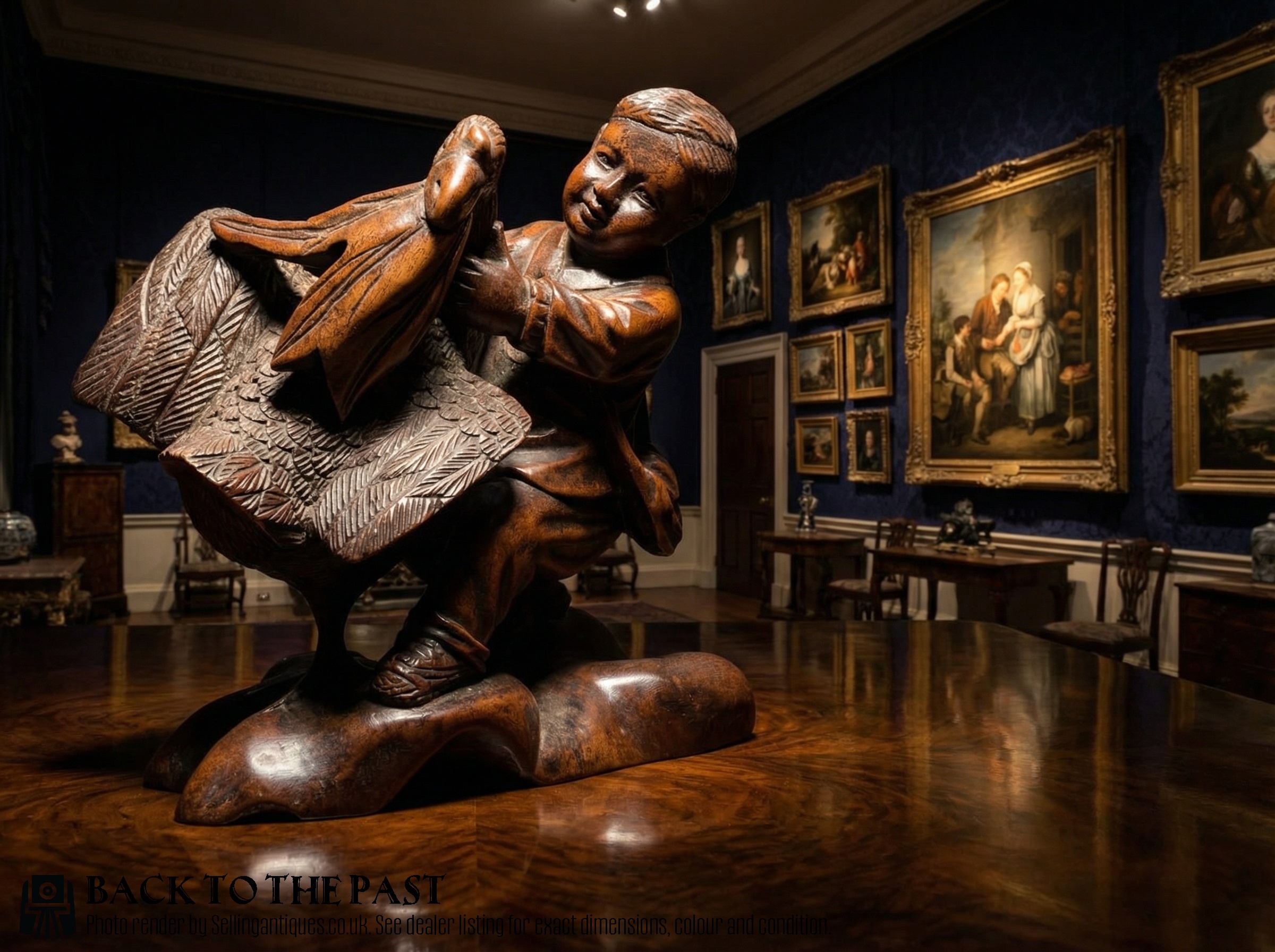
The Dark Wood Carving Glossary
- Coffer
- A large wooden chest used for storage, frequently featuring panelled construction and carved front elevations. These heavy boxes often employ solid oak.
- Chiffonier
- A compact sideboard or low cabinet introduced in the nineteenth century, equipped with shelves or drawers beneath a raised superstructure. They are typically rendered in mahogany or rosewood.
- Linden wood
- A pale, fine-grained timber favoured for figurative sculpture and detailed relief work because it accepts intricate cuts without splitting. It takes dark stains readily.
- Padouk
- A heavy, durable tropical hardwood with a natural reddish-brown tone that darkens with age. It provides a stable base for substantial furniture like sideboards.
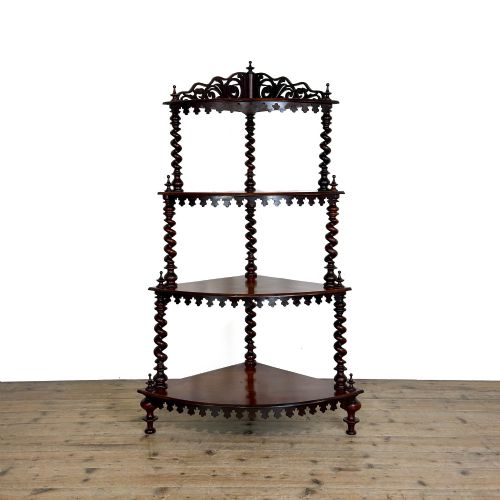
- Whatnot
- An open set of multi-tiered shelves designed for displaying ornaments, supported by slender vertical columns. Corner variants make efficient use of room layouts.
Dark Wood Carving: Frequently Asked Questions
How do I care for dark wood furniture?
Maintain stable indoor humidity levels and keep pieces away from direct heat sources to prevent timber splitting.
Apply natural beeswax periodically and buff gently with a soft cloth to nourish the grain.
What periods do these pieces come from?
The selection spans the nineteenth and twentieth centuries, encompassing Victorian, Edwardian, and Art Deco eras.
Earlier examples from the sixteenth century also appear alongside revival styles.
Where were these items made?
Origin points include British workshops alongside Anglo-Indian colonial centres and East Asian studios.
Regional preferences influenced both the choice of timber and the specific carving motifs employed.
How do I identify different timber types?
Examine the grain patterns and natural colour variations under good daylight to distinguish between oak, mahogany, and rosewood.
Weight and density also offer reliable clues to the specific hardwood used.