


Japanese Folk Art
Japanese folk art brings utilitarian vessels and carved wooden figures into a room, offering honest craft from the nineteenth century and early decades of the twentieth.
Japanese Folk Art
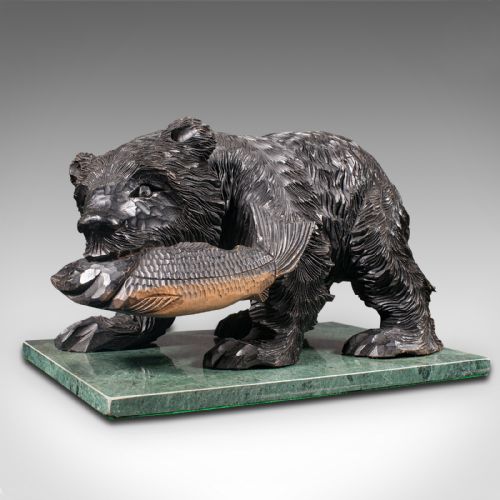
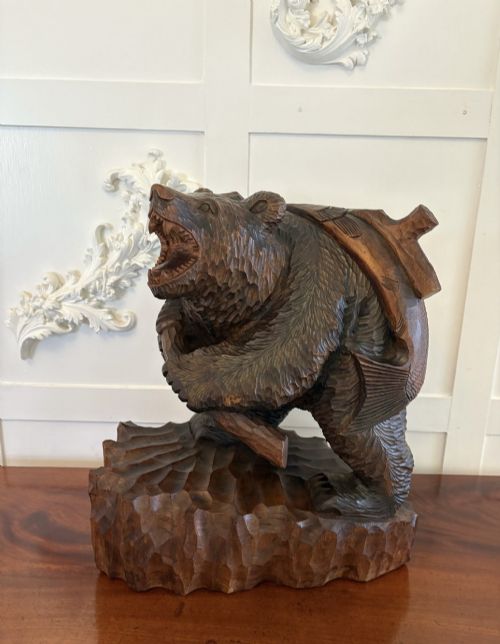
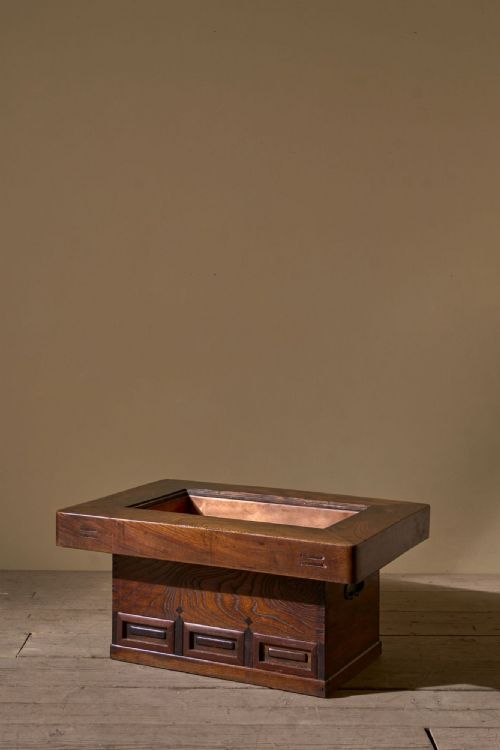
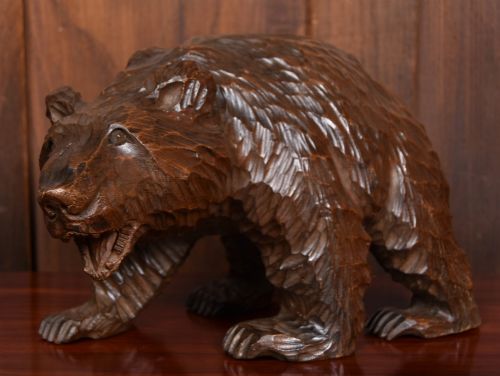
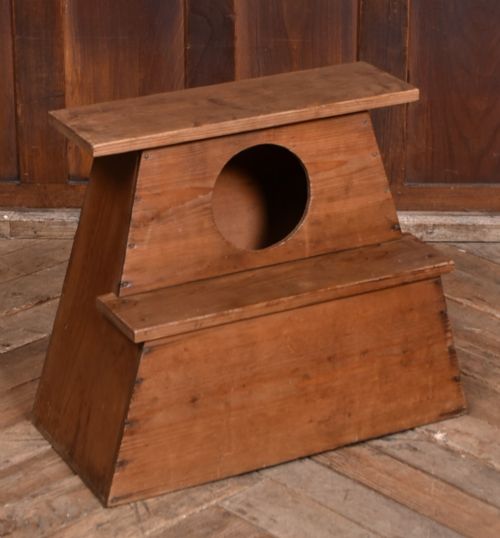
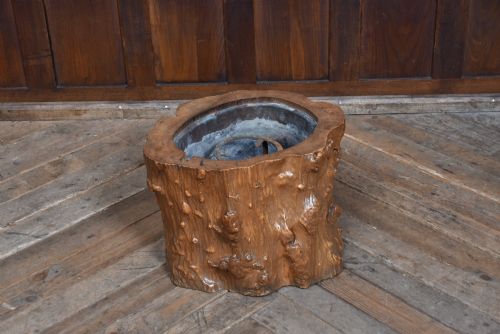
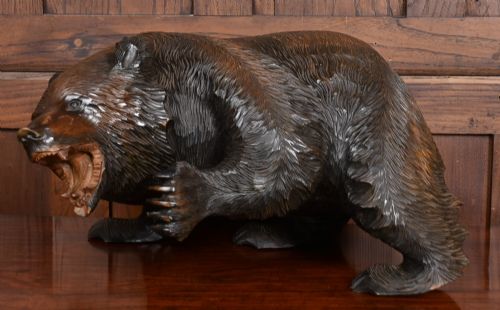
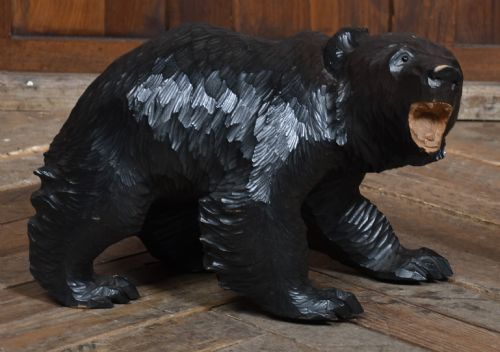
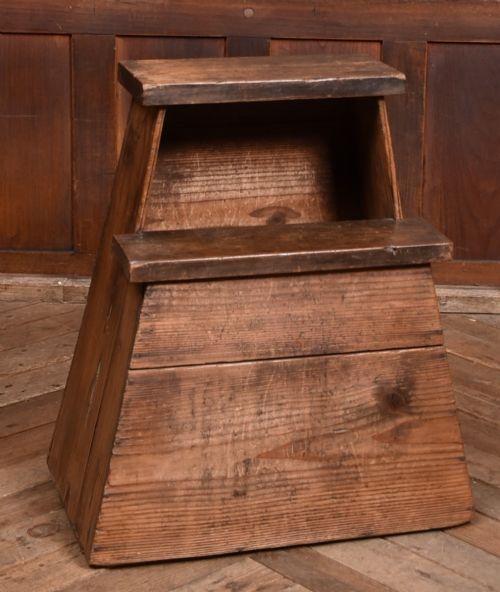
Japanese folk art encompasses everyday objects and hand-carved pieces shaped by anonymous makers for daily use or regional trade. When looking for Japanese folk art, a buyer will most frequently encounter nineteenth century wooden bear sculptures, known as Kibori Kuma, alongside utilitarian items like hibachi tables and vendor stools.
The materials reflect practical rural life, centring on cedar, linden wood, keyaki and general carved wood, occasionally accented with iron and copper. Forms range from low coffee tables and step stools to wall plaques and room dividers, showing a direct approach to domestic furnishing.
How they were made
Makers shaped these pieces primarily through hand-carving in wood, utilising local timbers such as cedar, linden wood and keyaki. Tool marks remain visible on many surfaces, recording the deliberate work of the hand rather than mechanical production.
Structural elements in items like hibachi tables and vendor stools rely on simple joinery suited to daily utility. Copper and iron components occasionally appear as functional fittings or liners within the wooden bodies.
Listings feature items from the nineteenth century, nineteen-hundred and nineteen-ten, spanning carved wood, copper and iron.
What varies in quality
Quality rests in the vigour of the carving and the integrity of the timber selection. Expressive animal sculptures and well-proportioned utility furniture show a stronger visual presence than standard repetitive work.
The preservation of original surface finishes and natural wood patination distinguishes superior examples. Pieces that retain their honest working character without over-restoration hold greater visual weight.
The Japanese Folk Art Glossary
- Mingei
- The Japanese folk craft movement valuing unpretentious items made by unknown craftspeople for daily use. This term defines the philosophical heart of these regional objects.
- Hibachi
- A traditional Japanese heating device or brazier, often fashioned as a small wooden table or container. These vessels frequently incorporate copper linings.
- Kibori Kuma
- A carved wooden bear originating from Hokkaido, typically holding a fish in its jaws. These sculptures form a distinct sub-genre within nineteenth century wood carvings.
- Keyaki
- Japanese elm, a dense and durable hardwood utilised for traditional furniture and structural items. Its strong grain pattern marks better quality pieces.
- Nata-tsukuri
- A sculptural style employing hatchet or axe marks to shape the wood. This technique leaves a bold, faceted surface texture on figurative works.
Japanese Folk Art: Frequently Asked Questions
What is Japanese folk art?
Japanese folk art consists of utilitarian objects and hand-carved figures created for everyday life rather than elite patronage.
These pieces include items like vendor stools, hibachi tables and wooden animal sculptures dating from the nineteenth and early twentieth centuries.
What are Kibori Kuma?
Kibori Kuma are traditional hand-carved wooden bears produced in Hokkaido, usually shown carrying a fish.
These sculptures are among the most common figurative works found in nineteenth century Japanese wood carving.
How do I date these pieces?
Dating relies on material wear, tool marks, construction methods and stylistic conventions recorded across nineteenth and early twentieth century examples.
Objects from this era generally show straightforward joinery and hand-finished wooden surfaces without modern power-tool indicators.
What woods were commonly used?
Makers utilised local timbers including cedar, linden wood and keyaki for both furniture and carved sculptures.
These woods were chosen for their availability and workability, developing a deep patination through age and handling.