


Polychrome Wood Wall Plaque
A polychrome wood wall plaque brings rich, layered colour and hand-carved depth directly to your interior spaces.
Polychrome Wood Wall Plaque
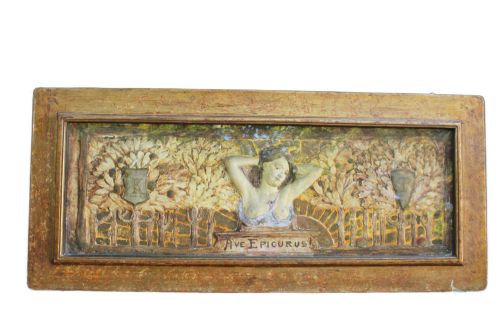
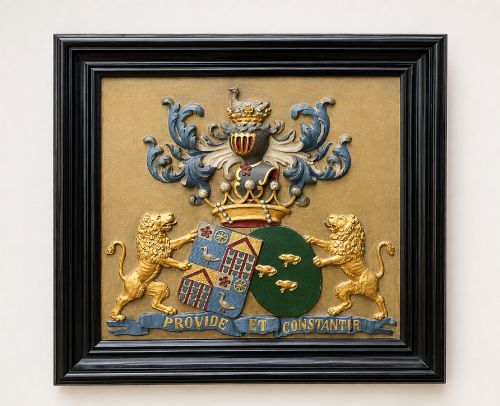
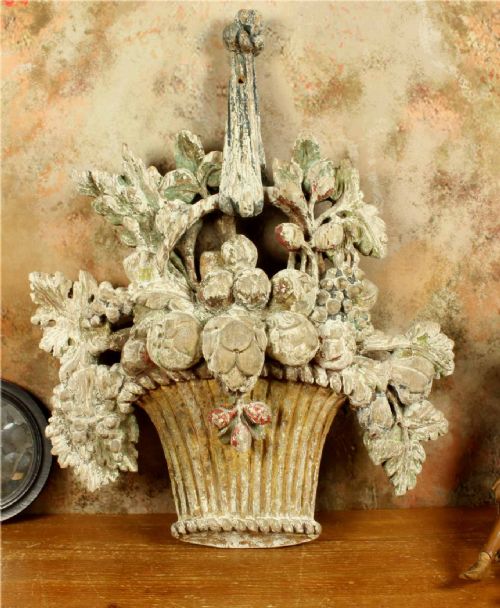
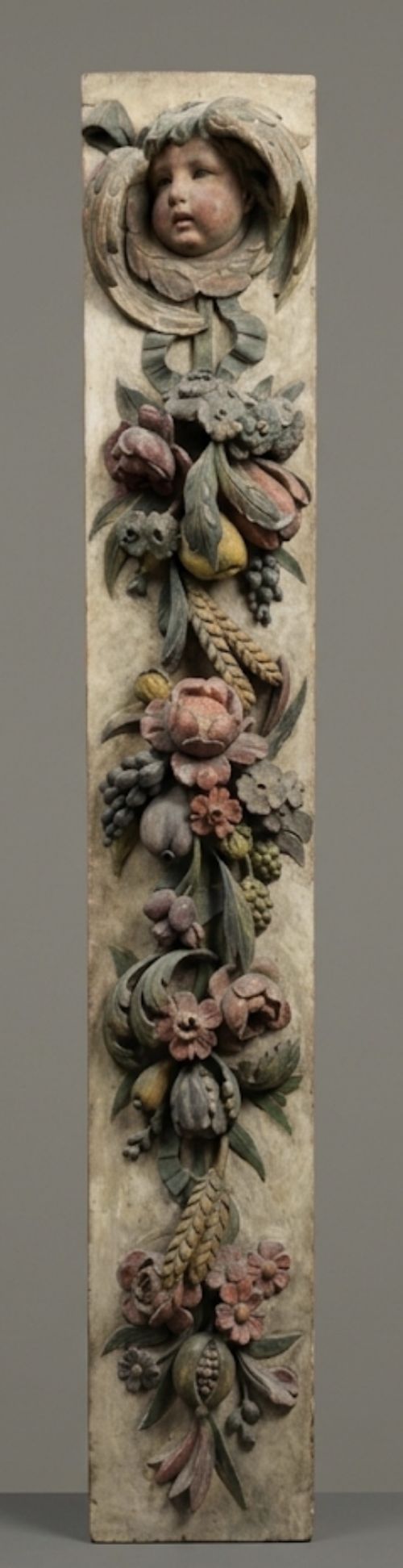
A polychrome wood wall plaque encompasses a diverse selection of carved wooden panels, armorial crests, and decorative reliefs spanning from the eighteenth century into the early twentieth century. When searching for a polychrome wood wall plaque, collectors encounter everything from rustic folk art carvings and Chinese architectural panels to heraldic marriage plaques and British Arts and Crafts pieces. These wall-hung works range from intimate floral compositions to large heraldic panels and fairground carousel fragments, each defined by applied paint or pigment over a wooden substrate.
The origins and regional styles visible across the selection vary widely, drawing on Chinese Qing Dynasty carving, Japanese folk art, Dutch heraldry, and English fairground traditions. Pieces span from the eighteenth century through the nineteenth century to early twentieth-century examples, including naive painted wall plaques styled after the Brighton Pavilion and carved wooden figure groups. This variety means that a buyer can find both diminutive devotional carvings and expansive architectural salvage depending on the intended room scheme.
How they were made
Makers shaped these works primarily from carved wood, utilising timber bases that were often finished with gesso and gold leaf to prepare the surface for pigment. Artisans applied polychrome paint by hand, sometimes layering colour over plaster relief or directly onto the timber to create rich, textured surfaces.
Techniques range from traditional Chinese wood carving and European heraldic panel construction to the robust relief work found on English fairground carousel pieces. The combination of carved wood, gesso, and painted finishes gives each plaque its distinct physical weight and visual depth.
The selection includes pieces from the 18th century, 19th century, and early 20th century, utilising carved wood, gesso, gold leaf, and plaster.
What varies in quality
Quality in a polychrome wood wall plaque rests upon the crispness of the original wood carving and the integrity of the surviving paint surface. Finer examples display confident tool marks and deliberate hand-mixed pigments that have aged with stability across the centuries.
The sophistication of the design execution separates standard decorative items from superior artistic statements, particularly in works involving complex heraldry, figurative carving, or architectural salvage. Original surface patination and the harmonious relationship between the carved wooden relief and its polychrome finish determine the standing of each piece.
The Polychrome Wood Wall Plaque Glossary
- Polychrome paint
- The application of multiple colours to a decorated surface. This technique brings pictorial depth and vibrancy to wooden reliefs and wall panels.
- Gesso
- A plaster-like mixture applied to wood to create a smooth base for painting and gilding. It provides a durable ground that holds fine detail.
- Heraldic panel
- A carved and painted board displaying armorial bearings or family crests. These pieces often commemorate marriages or dynastic alliances.
- Architectural salvage
- Elements rescued from older buildings for decorative reuse. These panels frequently retain original paint and structural character.
- Relief carving
- Sculpture where figures or patterns project from a flat background. This method defines the sculptural presence of wall plaques.
Polychrome Wood Wall Plaque: Frequently Asked Questions
Where should I place a polychrome plaque?
These pieces suit living rooms, hallways, and dining spaces where their textured surfaces and colour can act as a focal point. Position them away from direct sunlight and strong heat sources to protect the aged wood and painted finishes.
Wall plaques also work effectively above mantelpieces or paired with simpler furnishings to balance their decorative weight.
How do I clean a painted wooden carving?
Dust the surface gently using a soft, dry artist's brush or a clean microfiber cloth. Avoid using water, household sprays, or chemical cleaners, as these can lift fragile historical paint and gesso.
Regular, gentle dusting prevents particulate buildup without risking the original patination of the wood.
How can I tell the age of a carved panel?
Examine the back of the wood for tool marks, seasoning splits, and the general patina acquired through handling over decades or centuries. Hand-carving methods, traditional joinery, and the composition of the underlying gesso often point towards a specific period.
Comparing the stylistic details of the carving to documented regional traditions helps narrow down the date of manufacture.