


Hand Carved Wall Sculpture
These hand carved wall sculpture pieces bring heavy wood relief, traditional animal heads and religious panels directly into modern interiors.
Hand Carved Wall Sculpture
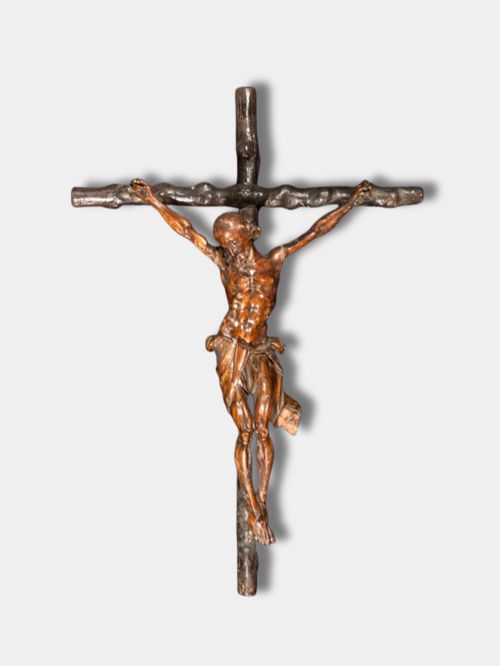
A hand carved wall sculpture covers wooden panels, religious figures, architectural fragments and animal masks produced across multiple centuries. Buyers searching for a hand carved wall sculpture encounter items ranging from medieval Flemish oak fragments and Spanish Baroque crucifixes to 19th-century Black Forest tiger heads and tribal masks.
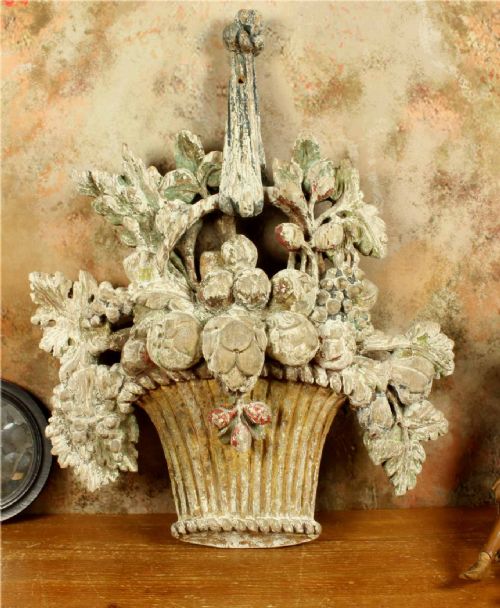
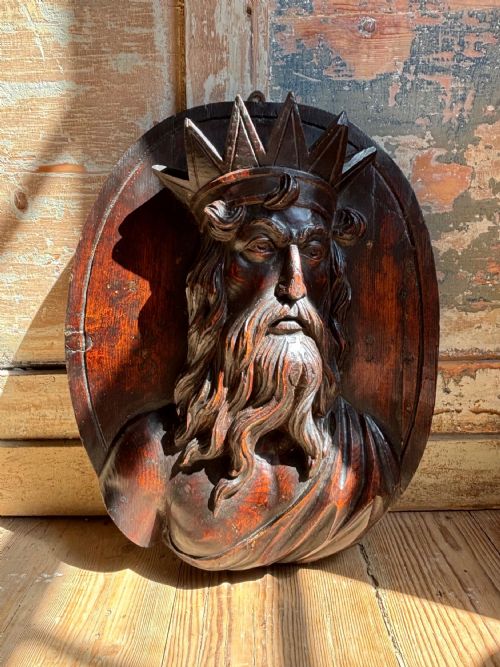
The objects take varied forms, including deep relief plaques depicting mythological figures like Neptune, floral flower baskets, armorial crest coats of arms and colonial treen. Pieces originate from diverse geographic traditions spanning European workshops, African tribal regions, India and East Asia.
Most examples rely on dense timbers configured for direct wall hanging or architectural integration. The selection bridges secular decorative folk art, religious devotion and tribal ceremonial carving.
What varies in quality
The depth of relief work and the crispness of the chisel execution separate standard decorative items from superior artistic examples. Master carvers achieved anatomical precision in animal masks and human figures, capturing complex textures like fur, hair and draped fabric.
The integrity of the original timber structure and the preservation of surface details dictate the overall standard. Pieces retaining early polychrome paint or untouched original patination command greater visual depth than heavily restored or stripped surfaces.
Listings feature items spanning the 16th to the 20th centuries, executed in oak, walnut, teak, chestnut and painted hardwoods.
The Hand Carved Wall Sculpture Glossary
- Architectural fragment
- A surviving portion of a larger building structure, such as a carved panel or capital, repurposed for wall display.
- Black Forest carving
- Woodwork originating from the mountainous regions of central Europe, noted for realistic animal carvings and deep relief plaques.
- Polychrome paint
- Pigment applied in multiple colours to wood surfaces, frequently seen on religious figures and armorial crests.
- Relief
- Sculpture technique where figures project from a flat background plane, categorised by depth as low relief or deep relief.
Hand Carved Wall Sculpture: Frequently Asked Questions
How do I hang a heavy wooden wall sculpture?
Heavy sculptures require direct fixing into masonry walls or wooden wall studs using appropriate load-bearing brackets and steel screws. Secure the piece from internal mounting points or integrated hanging loops rather than relying on decorative surface elements.
Ensure the weight distribution is balanced across the support structure to prevent strain on ancient timber joints and original fixings.
How should I clean antique carved wood?
Dust the surface gently using a soft, dry natural bristle brush to clear debris from deep recesses and carved crevices. Avoid liquid cleaners, household polishes or damp cloths, which can penetrate unsealed wood or lift historic paint layers.
Maintain stable indoor humidity levels to prevent the timber from drying out, cracking or warping over seasonal changes.
How do I identify a religious wall sculpture?
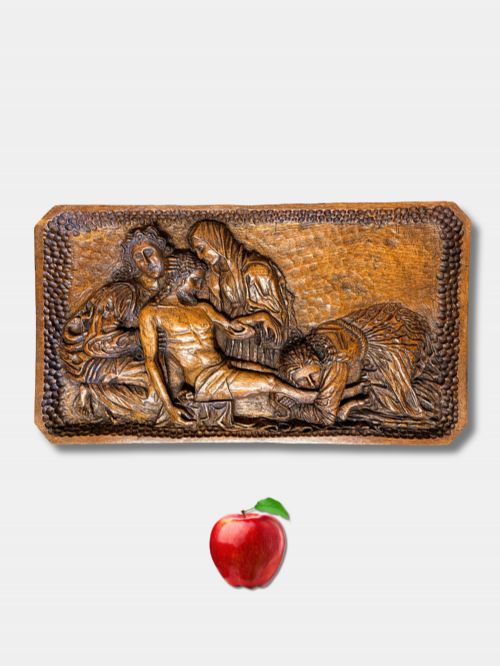
Religious sculptures often depict specific iconography such as crucifixes, biblical scenes like Christ's Lamentation, or figures of saints and cherubs. These pieces frequently originate from ecclesiastical settings, domestic shrines or private chapels.
The materials and carving style often align with the prevailing artistic movements of European Baroque, Renaissance or medieval periods.
Are tribal masks meant for wall display?
Many tribal masks and ceremonial panels were created for ritual use before entering collections and being fitted with mounting hardware for interior display. They utilise regional hardwoods and distinct sculptural traditions specific to their cultural origins.
Handling these items with clean hands protects the native patination, tribal pigments and aged wood surfaces from skin oils.